Inside the “Meat Grinder”: When Frontlines Become Factories of Loss
On a rain-gray morning in mid-March, the war looked less like a battle and more like a grim, grinding machine. Oleksandr Syrskyi, Ukraine’s top general, used a single blunt phrase that yearns to be forgotten: “meat grinder.” It was his way of naming a tactic — wave after wave of assaults stretching along a 1,200-kilometre front — and of laying bare the toll those pushes extract from flesh and morale.
Between 17 and 20 March, Ukrainian accounts say Russian forces launched more than 600 separate assault operations. Ukrainian commanders put Russian casualties in that four-day burst at more than 6,000; they tallied some 8,710 killed or seriously wounded over the whole week. Western and Ukrainian military agencies place Russia’s weekly combat losses at roughly 7,000 on average — a number that sounds abstract until you meet the people who live inside it.
“We saw them come in columns like rain,” said a platoon leader who asked not to be named for security reasons. “Not all of them were veterans. Some looked like boys who had never seen sandstorms or trenches. The drones saw them first. Then everything else followed.”
The Kill Zone: How Drones Rewrote the Rules
What turns a battlefield into a grinder is not always sheer numbers. Over the last two years, the battlefield has become a litmus test for a different instrument: the drone. Both sides now police a “kill zone” that can reach up to 20 kilometres from the contact line. In that zone, surveillance and attack drones — cheap, ubiquitous, and lethal — make concealment almost obsolete.
Multiple Ukrainian and Western sources estimate that around 70% of Russian combat losses along the line have been inflicted by Ukrainian drones. The same devices hunt Ukrainian positions in turn. That mutual visibility reshapes tactics: small infantry probes are no longer harmless reconnaissance; once spotted, they become targets.
“A battlefield where the sky is an enemy is a battlefield with no dark corners,” said Marta Koval, a Kyiv-based analyst who studies unmanned systems. “The drone doesn’t care about the politics of the fight. It counts signatures, heat, and movement. It is impartial, precise, and unforgiving.”
Last week’s torrent of assaults — and the unusually high casualty figures — suggested, to many analysts, that Russian commanders briefly reverted to massed infantry tactics despite the drone revolution. The result, in this instance, looked all too predictable: heavy losses for precious little ground.
Probes, Mechanised Pushes, and the Shape of a Future Offensive
The U.S.-based Institute for the Study of War (ISW) noted in its reporting that some late-February and March activity looked like “reconnaissance-in-force” — mechanised probes smaller than the usual company formations, testing Ukrainian lines and preparing for a broader campaign. ISW also flagged shelling near Kramatorsk and strikes on dams near Kostyantynivka and toward Pokrovsk as part of an apparent strategy to disrupt logistics and, perhaps, drown approaches to defensive belts.
“These are classic preparatory moves — probing defences, finding weaknesses, and, crucially, degrading the opponent’s ability to sustain front-line troops,” said Dr. Alan Richter, a retired military planner who now consults for several European defence think-tanks. “But the presence of drones shifts the calculus. You can probe, but if your probes are erased by overwatch, you don’t just lose information — you lose men.”
Last year, Russia’s advances were minimal. Throughout 2025, Moscow captured less than 1% of Ukrainian territory, a sobering metric that underscores how attrition, air power, and precise long-range strikes have combined to make large territorial gains costly and rare.
What the Numbers Mask
Statistics offer a frame, not the picture. For civilians on the receiving end, the math becomes human. In Lviv, nearly 900 kilometres from the fiercest fighting, a Russian drone strike last Tuesday damaged the 16th-century Bernardine monastery — a tiny, sacred corner of a city that has become a refuge for families fleeing the east.
“We heard this low thud and then the church shuddered like a living thing,” said Olena, 58, a volunteer who helps catalogue damaged heritage sites. “You think cultural sites are safe because they are old. Then you learn the war chooses whatever it wants to frighten you.”
Across the country, almost 1,000 drones were reported launched at once across eleven regions that day — a volume of strikes so large some analysts called it a new form of offensive. Whether aimed at infrastructure, logistics, or psychological shock, the raids underscore the war’s diffuse geography.
Trenches, Towns, and the Taxonomy of Loss
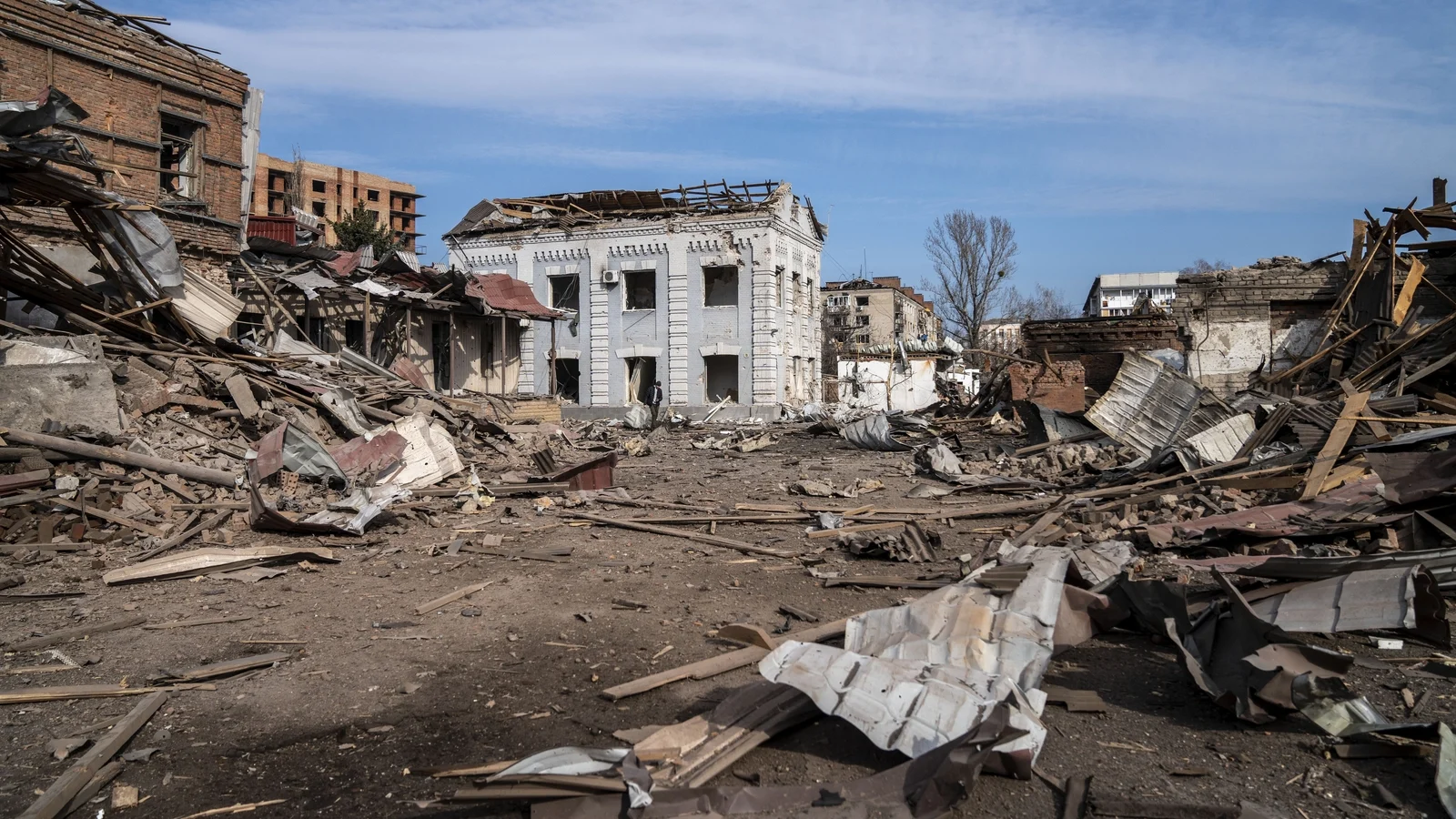
On the ground, the war remains a study in contrasts. In Odesa, a charred main battle tank sits as a macabre exhibit — a relic in a port city famous for its black bread and seaside promenades. In the east, the 18th Sloviansk Brigade trains on muddy ridgelines, its soldiers learning to move small units under constant aerial scrutiny.
“We train to be invisible,” said Captain Roman, as the squad worked through a night drill. “But invisibility is expensive. You wear it like armor and sometimes it’s not enough.”
Families keep counts at kitchen tables. Mothers stitch balaclavas at sewing machines to send to sons in the field. Volunteers haul generators into bombed-out apartment blocks and light up rooms so children can finish algebra homework by lamplight.
Why It Matters Beyond Ukraine
Ask yourself: what happens when warfare becomes easier, cheaper, and more distributed? Drones democratize killing in a way artillery and tanks never did. They allow states — and non-state actors — to reach into cities, sanctuaries, and cultural sites with lower risk to their own operators. The result blurs the front line into the home front.
That has consequences for global norms around conflict. It alters how militaries prepare, how societies fortify, and how international law will try — often unsuccessfully — to keep pace.
- Proliferation: Small, effective drones are now widely available.
- Attribution: Denying or deflecting blame becomes easier in the fog of swarm attacks.
- Psychology: Striking cultural sites aims to erode a population’s sense of identity and safety.
Endings and Open Questions
Ukraine’s forces say they repulsed the mid-March push. Whether that was a one-off costly probe, an early curtain-raiser for a larger 2026 campaign, or simply the continuation of attritional warfare, the human cost is immediate and unanswerable in numbers alone.
“We will bury our dead,” said a volunteer grave-digger in Donetsk region, voice flat with a professional sorrow. “And we will teach our children how to bury properly.” It is a small, bitter ritual of resilience.
So what should we watch for now? Look at drone production lines as much as tank battalions. Watch logistics hubs and dam strikes as much as trenches. And listen — to the soldiers, to the mothers, to the cathedral caretakers — because their stories are the ledger no general can fully reconcile.
Where does this leave the rest of the world? With hard questions about how to deter not just invasions, but attrition by technology; how to protect heritage and civilians when the sky itself has turned into an instrument of war; and how to keep the humanity of war visible in a world that increasingly battles through screens and sensors.
We continue to watch and to ask: in the age of drones and “meat grinders,” what is the cost we are prepared to accept — and what is the price we refuse to pay?