Nightfall and the Sound That Shouldn’t Have Been: A Peacekeeper Killed near Adchit al-Qusayr
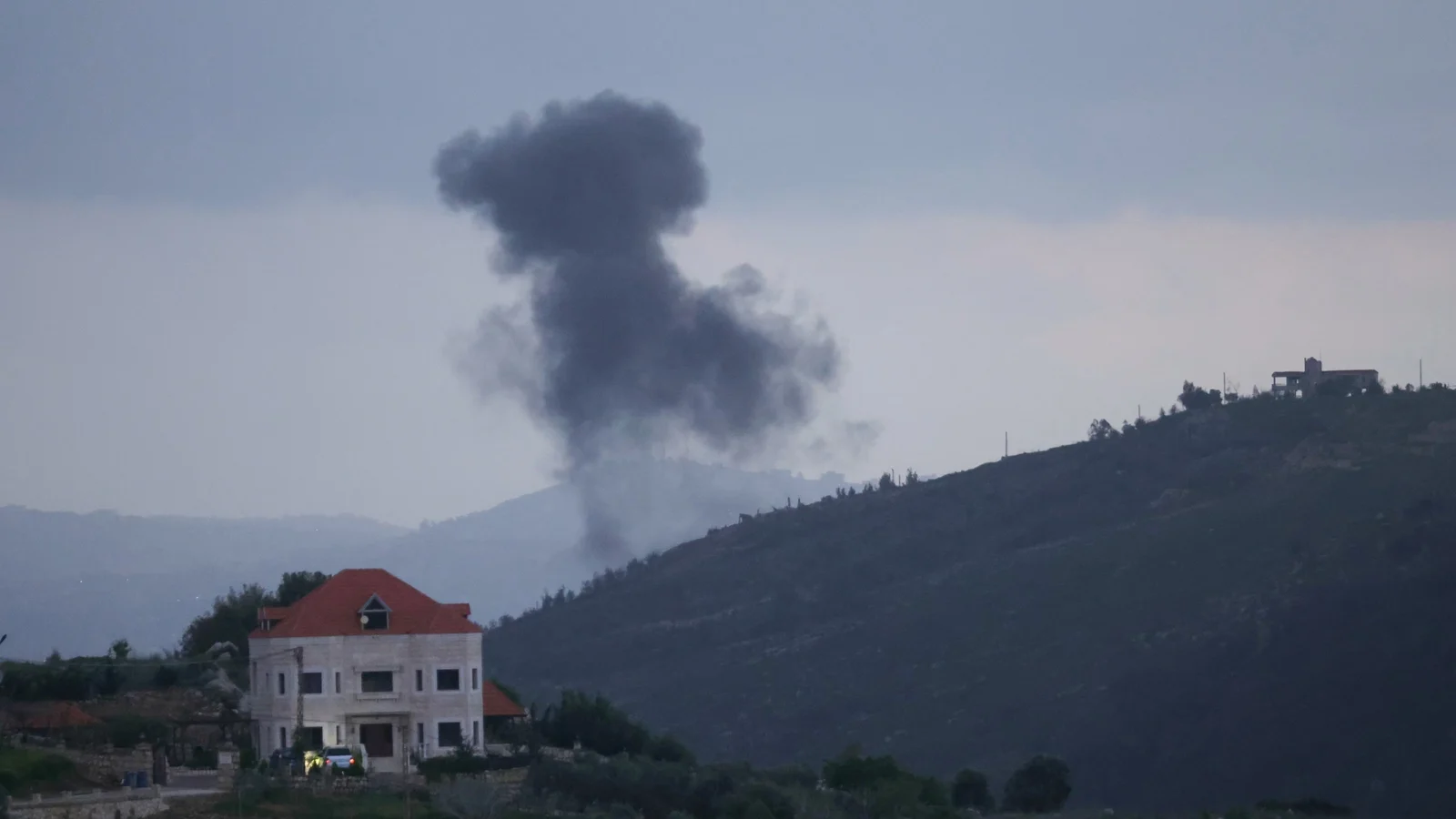
On a cool, dark night in southern Lebanon, the ordinary rhythms of village life were shattered by an explosion that belonged in a warzone, not a peacekeeping outpost.
The United Nations Interim Force in Lebanon (UNIFIL) confirmed that a projectile struck one of its positions near the village of Adchit al-Qusayr, killing an Indonesian peacekeeper and critically wounding another. Indonesia’s foreign ministry later said three additional members of its contingent were injured by indirect artillery fire near the Indonesian position.
“We do not yet know the origin of the projectile,” a UNIFIL spokesperson said in a terse briefing. “An investigation has been launched to determine the circumstances.” The gravity of the moment was plain: peacekeepers—uniformed personnel whose presence is meant to keep slivers of calm in a volatile region—had been hit. Again.
What happened on the ground
Adchit al-Qusayr sits roughly 25 kilometers from Bint Jbeil, a main urban center in Israel’s often-troubled southern Lebanese border region.
Camp Shamrock, the hub of the Irish-led UN battalion, presides over a landscape of low hills, olive trees, and a patchwork of small towns. There are also a number of smaller UN outposts—UNP 6-50 and UNP 6-52 among them—tasked with patrolling the Blue Line, the demarcation born of decades of conflict.
“We hear the thunder of exchanges every so often, but we never expected them to come this close,” said Salim, a shopkeeper from a village a few kilometers away, describing the worry that has become an unwelcome companion. “Our people pray and live quietly; now their children have learned to duck for cover.”
The human cost and a mission under strain
The death of the Indonesian peacekeeper is an undeniable human tragedy—a life cut short while serving under the blue flag meant to symbolize neutrality and safety.
“No one should ever lose their life serving the cause of peace,” UNIFIL wrote on social media after the incident, summing up a sentiment that has grown louder in recent months. António Guterres and other senior international officials expressed condolences and urged all parties to protect UN personnel and respect international humanitarian law.
Indonesia’s formal reaction was unequivocal. “We strongly condemn the incident,” a statement from the foreign ministry read. “Any harm to peacekeepers is unacceptable.” Jakarta also reiterated its earlier rebuke of what it called attacks in southern Lebanon, reflecting the fraught diplomatic crosswinds that accompany such events.
A pattern of danger
This is not an isolated flash of violence. UNIFIL personnel have been exposed repeatedly to the crossfire that escalated after Hezbollah launched rockets into Israel on March 2, actions it said were in solidarity with Tehran following separate strikes. Israeli forces have since renewed offensives against Hezbollah positions, creating spikes of violence along the Blue Line that often place civilians and peacekeepers alike at risk.
Earlier this month, Ghana’s battalion headquarters in southern Lebanon came under missile attack, leaving two soldiers critically injured. Israel later acknowledged that tank fire had struck a UN position on that occasion, calling it an inadvertent hit as its forces responded to anti-tank missile fire from Hezbollah.
Why peacekeepers are in the line of fire
UNIFIL was established in 1978 and expanded in the wake of the 2006 war between Israel and Hezbollah. For generations it has been a buffer: a technically neutral presence tasked with monitoring hostilities, assisting in de-escalation, and supporting Lebanese authorities.
Yet that buffer is fraying. The Security Council last year voted unanimously to wind down the mission after nearly five decades, and UNIFIL will remain only under a final mandate until 31 December 2026. That countdown adds a complicated layer to an already precarious mission.
“Peacekeeping missions are predicated on the idea of consent and impartiality,” explained Dr. Miriam Al-Khatib, a veteran analyst of UN operations in the Levant. “But when operations become theatre for larger, proxy confrontations, peacekeepers are no longer observers—they become vulnerable actors in a volatile landscape where attribution and intent are murky.”
The practical realities
- UNIFIL’s presence includes troops from dozens of countries, from Indonesia and Ghana to Ireland and Poland, reflecting a broad international commitment.
- The mission’s mandate includes monitoring the cessation of hostilities, assisting the Lebanese armed forces, and facilitating humanitarian access where possible.
- Despite these goals, peacekeepers’ neutrality is fragile when both state and non-state actors operate with impunity and with high-tech weapons that travel across thin frontlines.
Voices on the ground
“We came here to keep peace, not to become targets,” said an Irish officer at Camp Shamrock who asked not to be named. He spoke of long nights and an emotional toll that rarely makes headlines: the grief of comrades lost, the nagging question of whether the international community will follow through on its commitments.
A local schoolteacher, Leila Haddad, described how children at her school now draw blue helmets and flags in their coloring books—symbols both of solace and of fear. “They ask if the soldiers will leave because they are tired, and I tell them the blue flags are here to protect them. But how do I explain when protection is pierced?” she asked, her voice breaking.
What this signals for the broader region
The death of a peacekeeper in southern Lebanon is more than an isolated tragedy; it is an indicator of a broader problem: the erosion of norms that have historically shielded neutral actors in conflict. When peacekeepers become liabilities, the very scaffolding of international conflict management frays.
What does this mean for global security architecture? For one, it forces a reassessment of how peacekeeping is resourced, mandated, and defended in areas where state and proxy dynamics collide. It raises uncomfortable questions about deterrence, rules of engagement, and the political will to protect those who intervene to prevent worse violence.
“If the international community cannot guarantee the safety of its own envoys of peace, what message does that send to the civilians under their protection?” asked Dr. Al-Khatib. “It invites a cycle of withdrawal and abandonment that benefits no one.”
Looking forward: care, caution, and conscience
As investigators work to determine the projectile’s origin, families mourn, and units rebuild, the images that remain are quiet and human: a village waking to the sound of helicopters, a child clutching a blue-helmeted toy, an exhausted sentry staring at the horizon.
Readers, what responsibility do we bear when international institutions falter? When peacekeepers—drawn from diverse nations and communities—pay with blood, is the rest of the world obliged to respond with more than statements of regret?
The answer will be written in policy halls, on UN voting records, and in the daily decisions of commanders on the ground. But it will also be decided by communities in Lebanon and beyond, who watch and wait to see whether the blue flag remains a shield or becomes a symbol of abandoned hope.
For now, the investigation into the attack near Adchit al-Qusayr is ongoing. The names and faces behind the loss will be remembered by their compatriots and by anyone who believes that serving for peace is sacrosanct—not a job, but a sacrifice that demands protection, accountability, and, above all, remembrance.