A tanker in the moonlight: how 730,000 barrels became a story about more than fuel
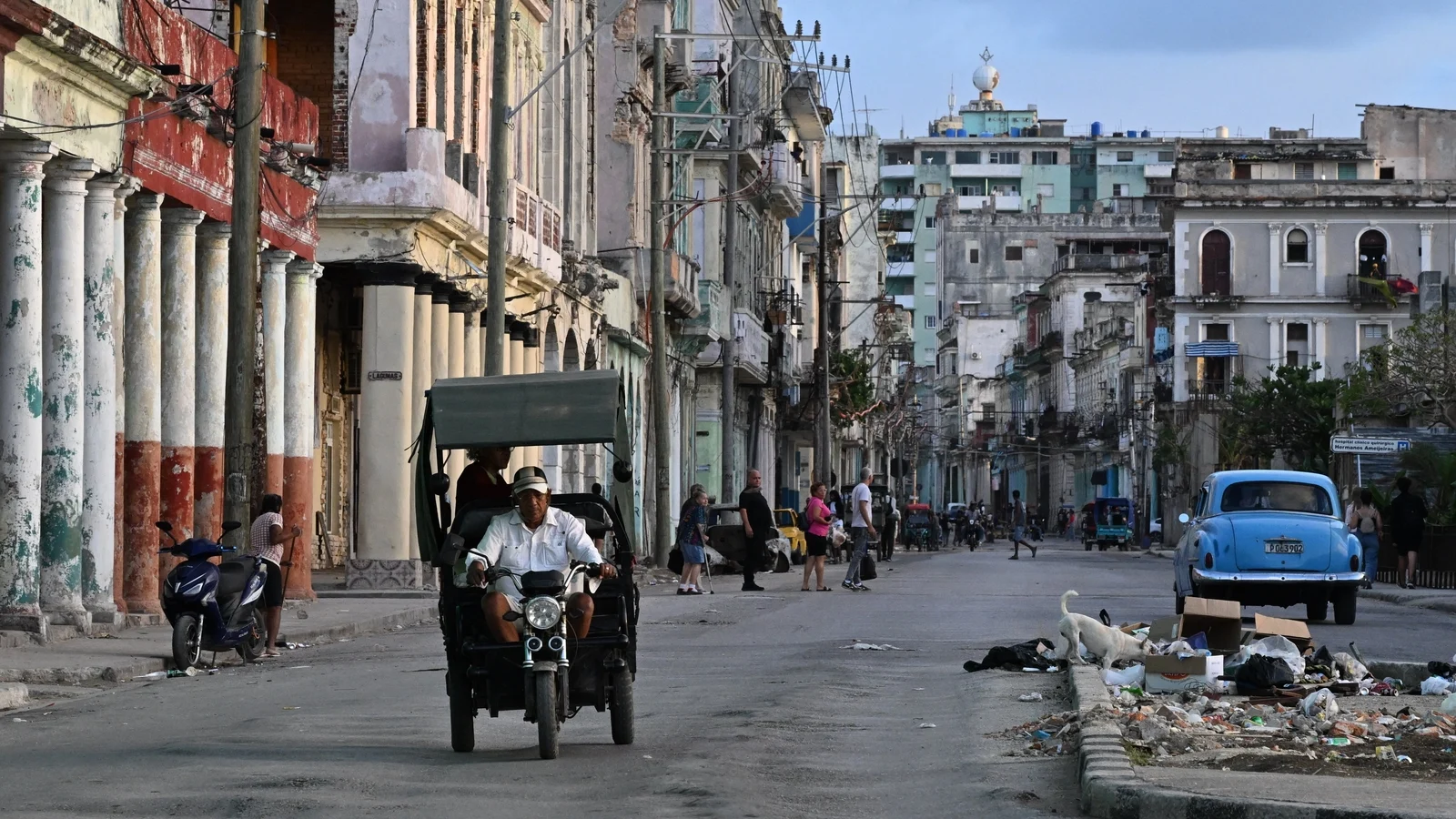
There are moments when geopolitics sheds its lab coat and walks into the street. In Havana, that moment looks like a line of battered cars idling at a service station, drivers clutching ration coupons, faces lit by a thin, impatient sun and the glow of a city that refuses to look defeated.
At sea, the Anatoly Kolodkin — a steel-skulled tanker carrying roughly 730,000 barrels of crude — crept along Cuba’s northern coast in early March, its progress traced by satellite dots and anxious phone calls. For some it was simply a ship; for others, it was a promise wrapped in hull paint: a promise of light bulbs that might not flicker out each evening, of buses that could run for another week, of hospitals that might keep life-support machines humming for another day.
Not just barrels: the human arithmetic
“It’s not glamorous. It’s diesel and kerosene and the things that keep a hospital alive,” said Dr. Ana María Ruiz, a pediatric nurse at a Havana hospital where backup generators have become an essential part of the daily routine. “When the lights go off we hold our breath. When fuel comes, we breathe.”
Energy experts estimate that the crude aboard the Anatoly Kolodkin could yield about 250,000 barrels of diesel once refined — roughly enough to cover Cuba’s diesel needs for a little more than a week if used conservatively. That calculation comes with caveats: processing can take 15–20 days, and then there’s the question of whether the refined product will be prioritized for power plants, public transport, agriculture, or healthcare.
The voyage and the politics
This was no ordinary commercial delivery. The tanker, sailing out of the Russian port of Primorsk on 8 March, was sanctioned and shadowed by headlines before it left harbor. It was escorted part of the way by a Russian naval vessel; British naval observers noted the pair split as the tanker crossed into the Atlantic. U.S. officials — according to press reporting — signaled that the ship would be allowed to approach Cuban waters, a delicate decision at the crossroads of sanctions policy and humanitarian need.
“Russia considers it its duty to step up and provide necessary assistance to our Cuban friends,” a Kremlin spokesman told reporters, framing the shipment as political solidarity as much as logistics. Across the Caribbean, U.S. President Donald Trump said he had “no problem” with countries sending fuel to Cuba, noting the human stakes and suggesting a softer posture in this instance. The exchange of statements underscored a strange choreography: diplomatic tension softened for a moment by a common recognition that people cannot live on policy briefs alone.
Timeline you can follow
- 8 March: Anatoly Kolodkin departs Primorsk, Russia.
- Early–mid March: Satellite and ship-tracking data place the tanker off Cuba’s northern coast.
- Following arrival: Processing at Cuban refineries expected to take 2–3 weeks, with refined diesel available in the weeks after that.
Faces of a blackout: how the crisis landed at home
Across Cuban neighborhoods, the crisis has been felt in small, intimate ways and in large, terrifying ones. Blackouts — seven nationwide since 2024 — have become a recurring punctuation to daily life. In one Havana neighborhood, vendors who used to roast coffee on corner grills have cut back hours. Classic American cars, already heroes of improvisation, sit idle because gasoline is rationed. Public buses run thinner routes. Some schools stagger classes. Families improvise cooling and heating with whatever they can.
“You learn to cook with the sun. You learn to sleep in the heat,” said Jorge, a mechanic in Matanzas who asked that his last name not be used. “But when my cooker stops working and the clinic can’t keep the machines, this is not about adapting; it’s about surviving.”
Cuban authorities say the situation has affected medical care, pointing to rises in risk for patients with chronic illnesses, including children with cancer, as routine treatments and refrigeration for medicines become precarious.
What the fuel will — and won’t — fix
Experts caution against imagining this single shipment as a cure-all. “Short-term relief is real,” said Jorge Piñón, an energy policy analyst who has studied Cuba for decades. “But it’s a Band-Aid on a deeper wound: aging infrastructure, limited refining capacity, and a geopolitical squeeze that disrupts reliable supply chains.”
The oil aboard the Anatoly Kolodkin can be turned into diesel and other refined fuels, but refining takes time and capacity. Cuba’s principal refinery in Matanzas is not in a position to instantly flood the market. Officials and analysts say the government will face agonizing choices: prioritize electricity generation to reduce blackouts, or allocate fuel to keep buses and trucks moving so the economy does not grind to a halt.
And then there are secondary effects. Airlines have suspended some flights to the island. Public transport woes ripple through supply chains. Farmers who cannot run tractors see harvests threatened. The crisis is not only about lights and cars; it’s about food, medicine, livelihoods.
Local color and daily improvisation
Walk the Malecón at dusk and you see the resourcefulness: families cooking with portable stoves, neighbors pooling gas for a shared generator, old women bartering eggs for a kilometer’s worth of bus fare. The ration book — the libreta — is back at the center of conversations, brought out in living rooms and bodegas as people count coupons and plan errands around fuel availability.
“We share,” said María, who sells empanadas near the Vedado neighborhood. “If my neighbor has a little diesel, she’ll help my son get to work. That’s Cuba: when the state falters, people don’t.”
Why a single tanker matters beyond the island
This story is a lens into a larger, uncomfortable question: when sanctions hit a population, who bears the cost? Around the world, sanctions are increasingly used as tools of statecraft. They can be effective at targeting elites and economies, but they often have diffuse humanitarian consequences that ripple down to patients, students, farmers and factory workers.
Allowing a sanctioned tanker to dock is not simply an operational decision; it is a moral calculus. It raises questions about how to balance pressure on governments with protection for civilians — and it forces us to confront whether our international systems are designed to allow necessary life-saving commerce while still pursuing political aims.
So here is the question for you, the reader: when geopolitics meets the human needs of ordinary people, which do we prioritize — principle or pragmatism? And is there a way to do both?
For now, in Cuba, people wait. The Anatoly Kolodkin may have reached the shoreline, but the real work is only beginning: refining, deciding, routing, and — above all — choosing how a nation and its people will allocate a fleeting reservoir of fuel. The glow of the city, for a little while longer, depends on it.