They came under the UN flag — and fell in a place that has known too much loss
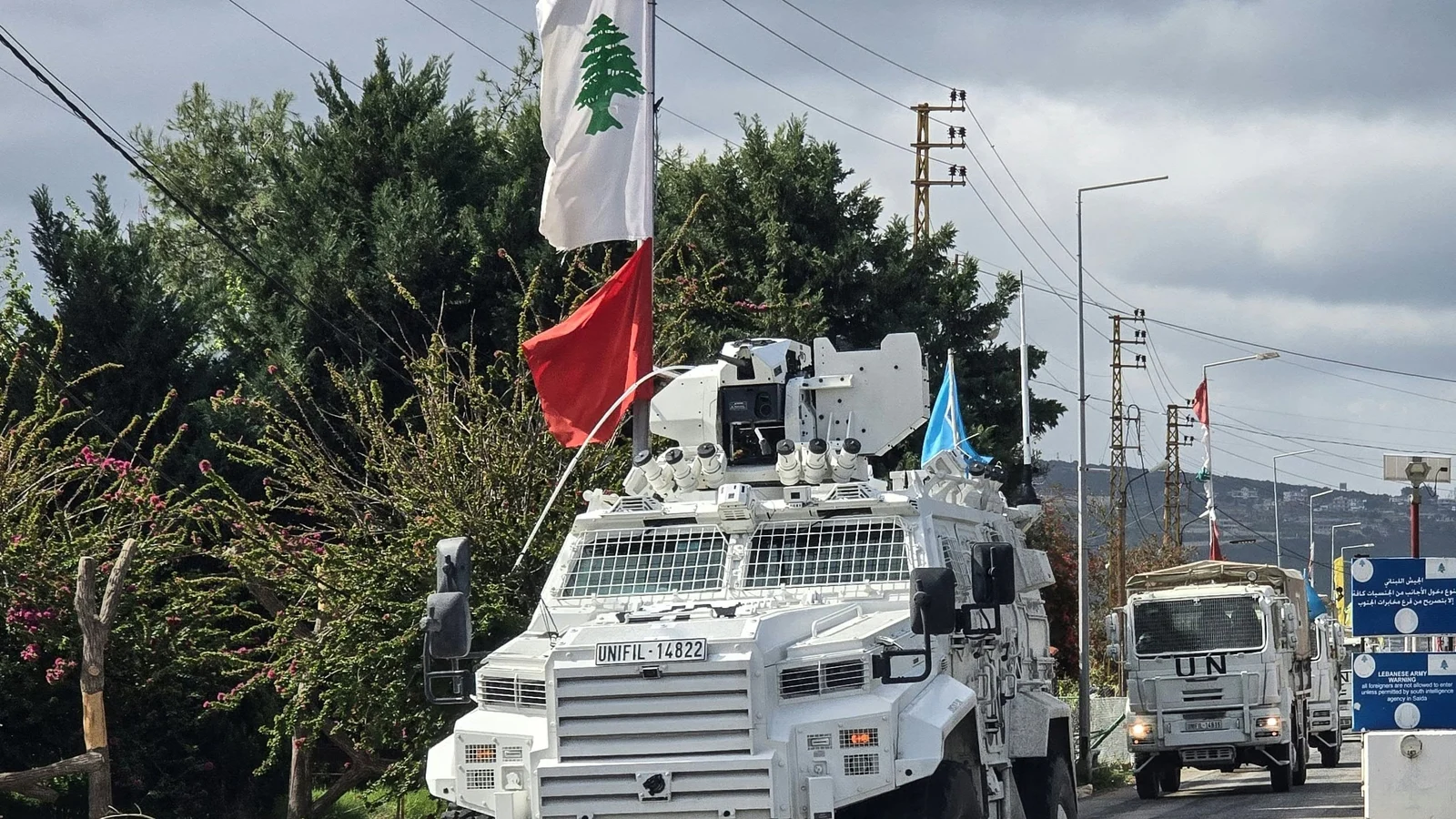
Early this morning, a small UN-marked vehicle rolled through dusty lanes near Bani Hayyan in southern Lebanon and was shattered by an explosion of unknown origin. Two Indonesian peacekeepers — young hands and steady boots who had answered a simple, dangerous call to watch a fragile line — were killed. A third was badly injured; a fourth hurt. In less than 24 hours, three members of Indonesia’s UNIFIL contingent had died on duty in the same theater.
Walk through villages like Bani Hayyan and Adchit al-Qusayr and the rhythm of life presses against the war’s seams: goats nudge one another along terraces of ancient stone, radio callers sell bread, and men repair nets in the shade of olive trees that have been here far longer than any temporary mandate. Yet the air now smells of smoke and military fuel, and every conversation carries the same exhausted question: how long will the world’s peacekeepers still be safe here?
What happened
UNIFIL — the United Nations Interim Force in Lebanon — confirmed the blast destroyed a vehicle near Bani Hayyan. A day earlier, another Indonesian peacekeeper had been killed when a projectile exploded near an outpost by Adchit al-Qusay. UN investigators say the origin of some of these strikes remains unclear.
“I expressed my deepest condolences to the families of the fallen peacekeepers and the government of Indonesia,” said Jean‑Pierre Lacroix, head of UN Peacekeeping, speaking from UN headquarters. “Peacekeepers must never be a target.” His words were raw with the urgency that comes when rules once seen as inviolate begin to fray.
The distances matter: Bani Hayyan is roughly 15 kilometres northeast of Camp Shamrock, the Irish-led base near Bint Jbeil where about 300 Irish troops and a larger UN battalion operate. Adchit al-Qusayr lies about 17 kilometres from the camp, and only 3 kilometres north of Bani Hayyan — close enough that the violence feels concentrated, immediate, and personal to those at Camp Shamrock.
Voices from the ground
“They wore the blue helmet and a smile,” said a shopkeeper in Bani Hayyan, who asked not to be named for fear of reprisals. “They were not here to fight us. They were here to make sure our children could go to school.”
An Irish officer, speaking quietly in the courtyard of Camp Shamrock, told me: “We train to defuse tensions, to be the buffer. But the buffer is getting thinner. Every mortar, every misfired round takes away the margin we used to rely on.”
A resident of Adchit al-Qusayr, watching a procession of UN vehicles pass slowly by, said: “When the peacekeepers arrive, people breathe a little easier. Now, we look at the sky when the shells fall and there is no one to promise us they won’t hit them.”
Why this matters beyond one headline
UNIFIL was established in 1978 to restore peace and help the Lebanese government exercise authority in the south. It has been a presence for decades, grown, shrunk, retooled. After the UN Security Council unanimously decided last year to end the mission after nearly fifty years, the current mandate runs only until 31 December 2026. That ticking clock complicates everything on the ground: troops are working under a near-term sunset, even as violence accelerates.
Peacekeepers are not a neutral abstraction. They are teachers, engineers, medics, patrol leaders — mothers’ and fathers’ children — posted far from home. The Indonesian contingent, like others in UNIFIL, comes from a country thousands of kilometres away that sees peacekeeping as a form of international solidarity and diplomatic muscle. Indonesia’s foreign ministry condemned the attacks and said any harm to its citizens serving under the UN flag is unacceptable.
And yet, the mission has repeatedly been caught in the crossfire. Earlier this month Ghana’s UN battalion headquarters in Lebanon was struck, leaving two Ghanaian soldiers critically injured — an incident Israel later acknowledged when its tank fire hit a UN position while responding to anti‑tank missile attacks from Hezbollah. The pattern is grim: when high-intensity conflict expands, the supposedly sacrosanct space around UN personnel frays.
Numbers, geography and the fog of war
- Three Indonesian UNIFIL peacekeepers killed in southern Lebanon within 24 hours.
- Multiple injured — including Indonesian and Ghanaian peacekeepers in separate incidents.
- Camp Shamrock serves as a hub for roughly 300 Irish troops and an international battalion operating several outposts in the UN-monitored zone.
- UNIFIL’s final mandate currently extends to 31 December 2026.
These are not merely statistics. They are battered uniforms, condolence calls, and families who receive bad news in the middle of the night. They are also a signal that established norms — the idea that UN forces are protected from deliberate targeting — are eroding in a region where regional powers and local militias increasingly see the battlefield in strategic, not humanitarian, terms.
A wider conflict with local echoes
The violence in southern Lebanon is part of a larger regional mood: on 2 March, Hezbollah launched rockets into Israel in what it said was solidarity with Tehran, after Iran was struck in an attack two days earlier. Those actions opened another front in an already expanded and murky conflict. Israel and Hezbollah have traded strikes that have repeatedly brought civilian life in southern Lebanon to a halt: evacuations, shuttered schools, and the brittle anxiety of families deciding whether to stay or flee.
“What we’re seeing are the spillover effects of a conflict that is more and more regional,” said a regional analyst in Beirut. “When proxy confrontations intensify, the safe zones shrink. Peacekeepers were never intended to sit in the middle of an escalating, cross-border war.”
So what now?
For now, UNIFIL has launched investigations into the incidents. Ireland’s Defence Forces confirmed all of its personnel are safe and extended sympathies to the families of the fallen. Governments from Accra to Jakarta to Dublin have publicly called for the protection of UN personnel.
But talk is not a shield. The hard questions remain: when the space for neutral peacekeeping narrows, who will protect the protectors? When a mission is scheduled to sunset, what does that mean for long-term stability? And how does the international community reconcile strategic interests with the fragile, very human work of keeping civilians safe?
As you read this from another time zone, imagine a village where olive trees shade the road and a blue‑helmeted soldier once played football with local children — and think about how international politics, local loyalties, and the hard calculus of war converge there. What responsibility does the world carry for those sent under its flag?
These deaths are a reminder: peacekeeping is not spectator sport. It demands sustained political will, clear rules of engagement, and, above all, respect from the combatants who cross paths with those who aim only to prevent more bloodshed. Until those basics are honored, the blue helmets will continue to carry both hope and risk into an uncertain night.