Night Lights and Flashpoints: America, Iran and the Weight of a President’s Promise
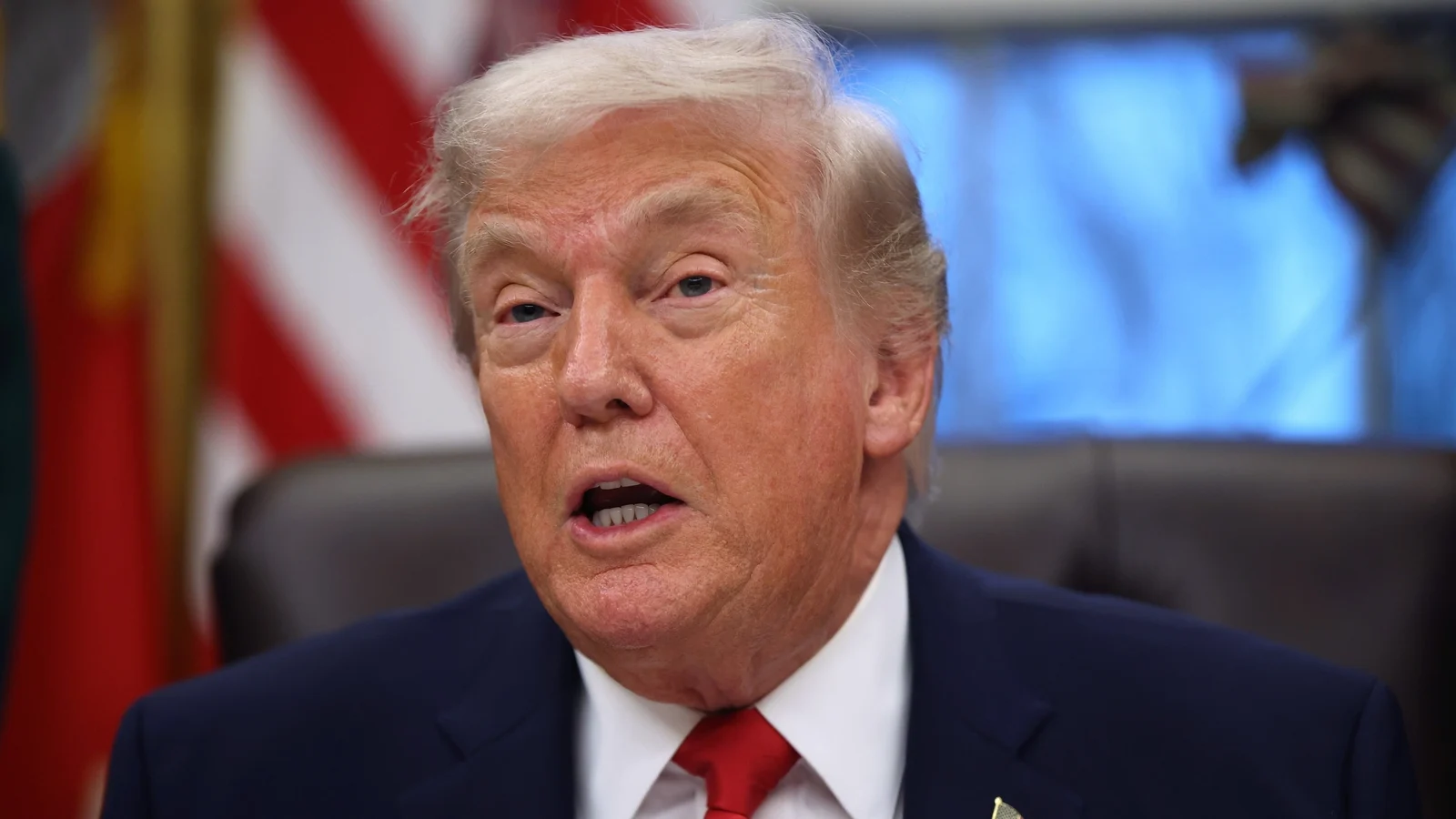
It was a peculiar kind of quiet in Washington on a cool spring evening—streetlights humming, televisions flicking to life, social feeds erupting with commentary—while inside the West Wing the nation held its breath. At 9pm, under the formal glare of the White House cameras, President Donald Trump stepped up to address Americans about a war that, by then, had been raging for a month and already remade markets, alliances and everyday lives.
There was an urgency to the hour that felt like more than choreography. This was not only a leader explaining strategy; it was a leader trying to steady a country rattled by higher pumps at the gas station, sliding approval numbers and a diplomatic map littered with newly opened fractures. “We will finish this,” he promised, leaning on a familiar cadence of reassurance. “We have a plan. We are meeting our objectives.” But when leaders promise clarity in the fog of war, citizens and critics alike listen for what’s left unsaid.
From Tehran’s Rooftops to Main Street USA: Voices in the Fray
Across continents, the reverberations were immediate. In Tehran, an open letter from President Masoud Pezeshkian landed like a challenge more than a plea. “Attacking Iran’s vital infrastructure—including energy and industrial facilities—directly targets the Iranian people,” he wrote, asking Americans to consider whether the conflict truly put “America First.” He warned of “seeds of resentment that will endure for years.”
“This is not just policy on paper. It is trauma lived day to day,” said a Tehran shopkeeper, who asked not to be named because he feared reprisal. “We wake to night skies full of smoke and sirens. People ask how long will our children remember this smell?”
In New York, a veteran of Middle East policy studies, Dr. Nina Alvarez, watched the broadcast with a notebook full of questions. “What I heard was an attempt to reduce complexity into a campaign timeline,” she said. “He put a two-to-three-week horizon on the operation, but wars—especially those that involve asymmetric tactics and deep local networks—are not project plans. They are living systems.”
Polls, Price Tags and the Politics of Perception
The domestic arithmetic is brutal. Recent polling showed President Trump’s approval slipping below 40%, his disapproval climbing into the mid-50s. Economists and voters alike pointed to a tangible culprit: the wallet. Gasoline prices, nudging past $4 per gallon—numbers that feel personal every morning at the commute—have chipped away at confidence. “When the pump bites, voters remember,” said Claire Montgomery, a veteran pollster. “Foreign policy is no longer an abstraction; it’s a line item.”
Markets reacted in fits and starts. Global equities rallied on hopeful signals that the fighting might end soon, while Brent crude dipped to roughly $101 a barrel. Yet analysts warned that headline relief could be fragile. The Strait of Hormuz, which channels about one-fifth of global oil shipments, remained functionally disrupted. The risk, as one former NATO analyst put it, is that small disruptions can propagate into global shocks.
Promises, Goals, and the Shape of a War
White House messaging centered on a shortlist of objectives: neutralize Iran’s naval capabilities, degrade its missile programs and production facilities, weaken proxy militias across the region, and halt any path toward nuclear weaponization. “We set our terms before operations began,” a senior aide told reporters. “Now we are executing them and we will see results in weeks.”
- Destroy Iran’s navy and maritime threat
- Eliminate missile production and stockpiles
- Neutralize proxy militias across the region
- Ensure Iran cannot obtain a nuclear weapon
Yet on the ground—and in the rooms where strategy and politics meet—reality looked less tidy. “You can flatten facilities; you can’t flatten a political will overnight,” said Lieutenant Colonel Marcus Reid, retired. “And when major infrastructure is taken offline, the humanitarian costs are real. That shifts the equation in ways a battlefield map doesn’t show.”
Allies, Anxieties and the Diplomatic Backlash
One of the ripples most felt in capitals abroad was how the conflict strained alliances. Faced with calls to rally behind the campaign, several European nations demurred. The fallout was stark: the president publicly questioned NATO ties, musing about “reconsideration” of membership as relations frayed. For many allies, the moment crystallized a deeper worry—how quickly decades of post-Cold War consensus might fray under transactional leadership and unilateral military moves.
“We are not isolationists by design; we are partners,” a veteran EU diplomat told me. “But partnerships require predictability. When that erodes, cooperation becomes an act of risk.”
Neighbors, Noncombatants, and the Human Ledger
In a hospital on the edge of a city that had seen repeated exchanges, nurses worked under fluorescent lights, tallying injuries and cataloging stories. “The children are always the ones whose names we learn first,” said a pediatric nurse, eyes weary. “One family, three generations, all displaced after a strike near the refinery. They sleep on blankets in a community center. They ask: why us? Why our streets?”
Those human narratives are the quiet ledger of war. They complicate tidy victory speeches and metrics of “targets destroyed.” They will, history suggests, shape sentiment for decades. Pezeshkian’s warning that acts now could sow “seeds of resentment” is not mere rhetoric; it echoes a geopolitical truth seen across conflicts and borders.
So What Comes Next?
President Trump said he would only consider a ceasefire when the Strait of Hormuz was “free and clear”—language that read as both bargaining chip and ultimatum. He also claimed a near-term endgame, forecasting that the war could be wound down within three weeks. Skepticism met those assertions in war rooms and coffee shops alike.
“Timelines in public addresses are often aspirational,” said Dr. Alvarez. “The real clock runs on operational realities and political costs. You can promise a three-week finish, but you must account for aftershocks—governance issues, reconstruction, and the political fallout back home.”
And that political fallout is pressing. With midterm elections looming in November and with key swing voters feeling the bite of higher living costs, the calculus in Washington now includes not just strategy in the region, but strategy at the ballot box.
Questions for the Reader
What do you believe victory should look like in a conflict that touches the supply of oil, the safety of shipping lanes, and the lives of civilians a world away? Are short military wins worth long-term instability? How should allies weigh national interest against moral and humanitarian costs?
The answers are not tidy, and they won’t come in a single prime-time address. They will be argued in capitals, in living rooms, on factory floors and in refugee tents. They will be written in policy documents and in the small, stubborn acts of everyday life that continue even as the headlines shift.
As the world watched the White House that night, one line threaded through commentary on both sides of the world: wars are rarely, if ever, as brief—or as clean—as the promises made before them. The only certainty is the human cost, counted in displaced families, shuttered businesses and a politics repatterned by uncertainty. What we decide about that cost—together—will define the next chapter.