The Long Wait for Justice: How One Killing Reverberated From a New York Sidewalk to a Nation
It was a raw December night in 2024 — the kind that makes the steam from subway grates look like ghosts. Outside a midtown New York hotel, a security camera blinked in monochrome, capturing a moment that would not leave the national airwaves for months: the killing of healthcare CEO Brian Thompson. The footage, grainy and stark, became more than evidence. It became a symbol, a spark, an argument made into a headline.
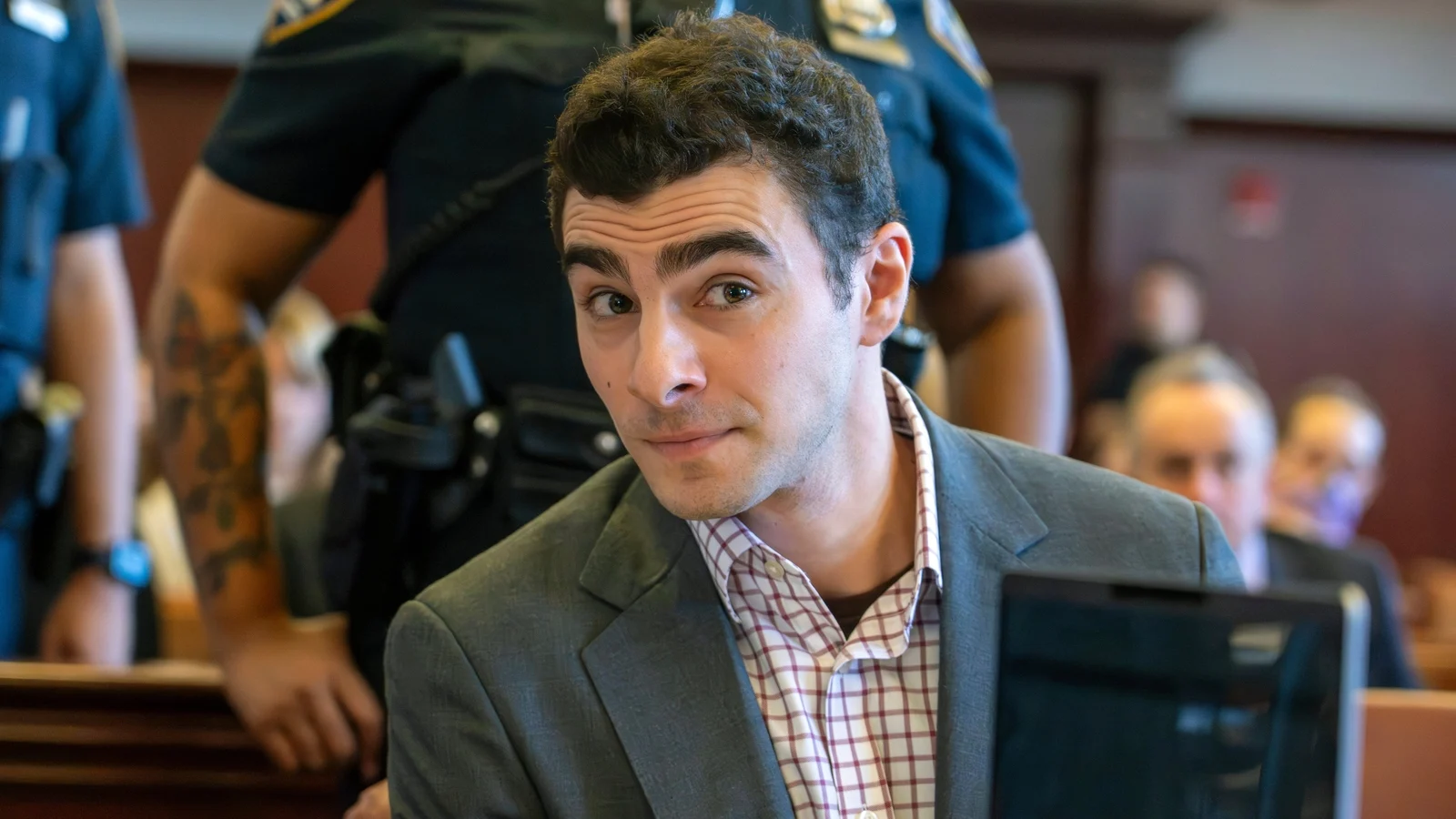
Now, more than two years later, the legal calendar has stretched once again. Court filings show that the federal trial of 27-year-old Luigi Mangione — accused in connection with Thompson’s death — has been rescheduled to 25 January 2027. The state trial, meanwhile, will not begin until September 2026. Those new dates were confirmed in a scheduling order signed by U.S. District Judge Margaret Garnett, who noted the federal timetable was adjusted “in light of the … decision in the defendant’s state court case to adjourn the state trial to 8 September 2026.”
One Act, Two Arenas
The mechanics behind the dual trials are as American as the courts themselves. State prosecutors have charged Mangione with murder; federal authorities have lodged interstate-stalking charges. It’s a legal quirk rooted in the “dual sovereignty” doctrine — the idea that state and federal governments are separate sovereigns and can, therefore, bring distinct charges arising from the same conduct. It’s why a single crime can lead to separate cases in different courthouses.
“People hear ‘double jeopardy’ and assume the Constitution prevents multiple prosecutions,” said Professor Hana Kline, a criminal law scholar. “But the Supreme Court’s precedent allows both state and federal governments to prosecute when their statutes protect separate interests. It’s not about punishing twice for the same offense so much as enforcing two different laws.”
The Ripples of a Shooting
The shooting itself galvanized a national conversation. Brian Thompson, by most accounts, was not merely a CEO — he was the face of a private healthcare firm at a time when public frustration with the U.S. health system was simmering. For many Americans, private healthcare is a tangle of high prices, denied claims and unequal access. The killing, captured so plainly on camera, became a lightning rod for those grievances.
“When people saw that footage, it wasn’t just shock — it was recognition,” said Maria Alvarez, a nurse who joined a small protest outside the hotel days after the attack. “We see the system fail patients all the time. That anger was terrible and raw, and it found an outlet in public grief. But grief and anger aren’t the same thing as justice.”
A Personal Detour Between Cities
Mangione was arrested five days after the shooting at a McDonald’s in Pennsylvania — roughly 370 kilometers away from the hotel (about 230 miles). The image of an ordinary fast-food joint as an arrest scene underscores how a single act can ripple through mundane places and distant lives. In a state police report, investigators said the suspect left the city and was located during what they described as routine surveillance; video surveillance and tips reportedly played a part.
“I was at that McDonald’s when the van pulled up,” recalled Tom Reed, a trucker who eats there on long hauls. “You never expect the drama to reach a place like that. We’re just people trying to get coffee and burgers, and suddenly there are cops talking to somebody like it’s a movie.”
Delays and the Human Cost
Behind the sterile language of scheduling orders are real people living in limbo. For the victim’s family, each postponement stretches the strain of remembrance and legal anticipation. For the defendant, it lengthens the period of public scrutiny and uncertainty. For reporters and the public, it raises familiar questions: what does a delayed trial mean for the truth? How does time shape testimony, memory, and the public’s appetite for closure?
“Defense counsel told the court that a tight turn between the state and federal calendars would make adequate preparation impossible,” said Mark Rosen, a criminal defense attorney unaffiliated with the case. “That’s not an unusual claim. Complex cases—especially those involving extensive evidence, forensic timelines, and high-profile media coverage—require months of work. You can’t sprint justice without risking mistakes.”
At the same time, prosecutors warn that delay can be an injustice of its own. “Victims’ families deserve answers and resolution,” said a federal prosecutor who agreed to speak on the condition of anonymity. “Every adjournment is another season of life for them where the legal closure they seek stays out of reach.”
The Broader Context
The Thompson killing didn’t occur in isolation. It unfolded against a backdrop of rising anxiety about healthcare costs, corporate influence, and a national conversation about accountability. Polling in recent years has repeatedly shown healthcare ranking near the top of voters’ concerns, whether measured by access, affordability, or the ethics of private firms driving decisions about care.
It also took place in a country wrestling with gun violence and the lengths to which people will go to target public figures — or those perceived to represent controversial systems. Legal experts point out that federal interstate-stalking statutes exist precisely to address conduct that crosses state lines and poses a broader risk to public safety.
Questions for the Reader
As the calendar pages turn toward 2026 and 2027, what should we expect? Is staggered prosecution an example of thoroughness, or does it compound suffering? Does a public figure’s role in a controversial system change how we think about culpability and motive? And how do we, as a society, separate a single violent act from the larger systems that may have inflamed it?
“We often look at court dates and see only the procedural progress of a case,” said Professor Kline. “But each date is also a deadline on human emotion. The law’s tempo rarely matches the tempo of grief or outrage. That mismatch is part of the challenge.”
What Comes Next
The immediate calendar is set: the state trial pushed to 8 September 2026, and the federal trial set for 25 January 2027. Between now and then there will be filings, motions, investigations, evidence reviews, and likely more public arguments over fairness, speed, and the meaning of justice. Witnesses will be found; memories will be tested; the nation will again be invited to look closely at a case that intersects with broader anxieties.
And through it all, ordinary places — a hotel doorway, a McDonald’s parking lot, a neighborhood vigil — will continue to hold the quiet friction of everyday life against the glare of the headlines. That is where justice is not only argued in courtrooms, but lived by families, friends, and strangers who watched a night on a security feed become part of the national conversation.
What would justice look like to you in a case like this? Is it a verdict, a sentence, a public reckoning, or something else entirely? As the trial dates inch forward, these are the questions that will outlive the scheduling orders and stay with us long after the cameras have moved on.