Tehran on the Edge: When a City Learns to Sleep with the Sound of Explosions
The morning began with the same brittle hush that has settled over Tehran in recent weeks — a fragile quiet that could be, at any moment, replaced by the staccato of distant booms. Windows were streaked with dust, and strips of blast-taped plastic fluttered like white flags from apartment facades. Street vendors sipped tea and shouted prices for fruit under the pall of uncertainty; children, asked to stay indoors, drew rockets and planes on sheets of paper.
“You can feel the city holding its breath,” said Mahsa, a bookseller in the old bazaar whose father remembers the Iran–Iraq war. “We are not strangers to fear, but this is different. It’s not one front — it feels like every border is a new worry.”
Officials in Washington issued a series of public threats this week that only cranked the tension higher. The U.S. president warned of sweeping strikes on energy and transport infrastructure if Tehran did not reopen the Strait of Hormuz by a set deadline. The message was blunt, vulgar at times, and meant, perhaps, to be unmistakable: reopen the vital waterway or face what he described as “hell.”
Whether such rhetoric pushes parties toward the bargaining table or pushes them further into the abyss is a question now being asked from Tehran to Tokyo.
The Strait of Hormuz: A Narrow Channel, A Global Lifeline
It is easy to forget, until you study a map, how small a place can hold enormous sway. The Strait of Hormuz is a narrow ribbon of sea where, on an ordinary day, tankers choke shoulder to shoulder carrying roughly one-fifth of the world’s oil and a significant share of global liquified natural gas shipments.
<p”When shipping stops there, the consequences are immediate,” said Dr. Leila Hassan, an energy analyst in Dubai. “Oil markets spike, insurers hike premiums, and economies that rely on affordable fuel — from India to Europe — feel it within days.”
Powerful, short-lived shocks to energy supply can ripple outward: higher petrol prices, strained supply chains, and renewed urgency around national stockpiles and alternative routes. The strategic importance of Hormuz is why a blockade — or the genuine threat of one — has the world leaning in to listen.
Across the Gulf: A Canvas of Damage
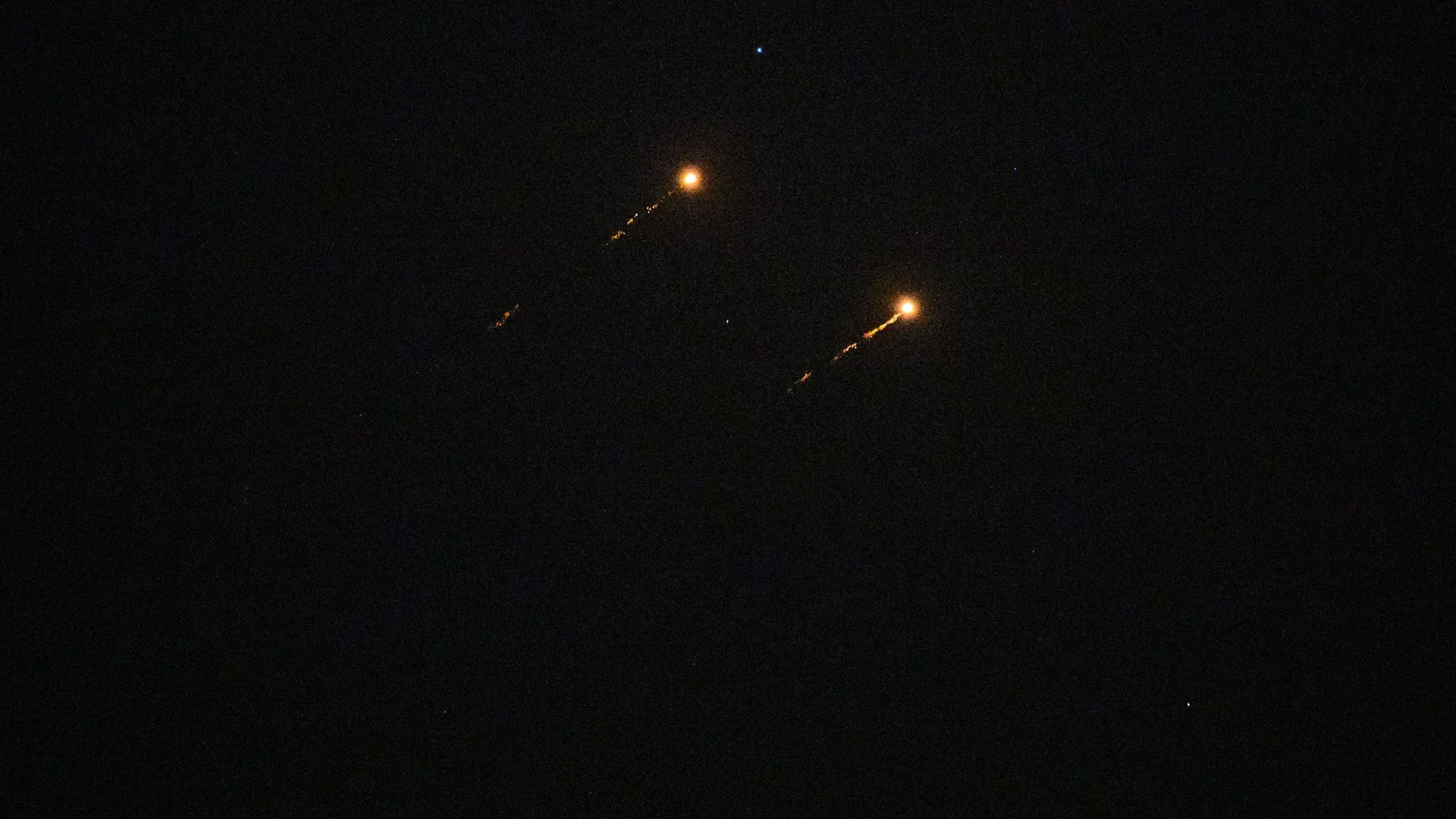
Over the past five-plus weeks, a relentless campaign of strikes and counterstrikes has crisscrossed the Gulf. U.S. and Israeli forces mounted a barrage of missile strikes that, according to those governments, targeted an Iranian nuclear weapons program, ballistic missile caches, and networks supporting regional militias. Tehran, for its part, widened attacks to include petrochemical facilities in Kuwait, Bahrain, and the United Arab Emirates, and claimed a strike on a vessel linked to Israel at Dubai’s Jebel Ali port.
Kuwait Petroleum reported that drone attacks set fires at plants operated by its affiliates, causing “severe material damage.” In Haifa, Israel, a residential building hit by an Iranian missile left search-and-rescue teams clawing through concrete and dust. Two bodies were recovered from the rubble; nine people were rushed to hospitals. Lebanese health officials reported more than a dozen casualties after Israeli airstrikes there.
Numbers are slippery in wartime — officials count differently, and the fog thickens — but the human consequences are not. That sense of loss and the grinding logistics of recovery are brushstrokes seen across cities in the region.
The Rescue That Read Like a Movie
Perhaps the most cinematic detail to leak from the tension-filled theater of conflict was the daring commando operation to extract a wounded U.S. weapons officer from deep inside Iran.
“They moved under the skin of night,” an unnamed defense official told a reporter, describing how roughly 100 special-operations troops slipped over a 2,100-meter ridge to reach the stranded airman. Two MC-130 transport planes that had ferried assault teams into rugged terrain suffered mechanical failure and were later destroyed to prevent capture; four helicopters were also demolished in the field, U.S. sources said.
“It was as precise as it was perilous,” said Michael Brennan, a retired special-forces commander. “Those decisions — to push more aircraft in, to stage the extraction — are the kinds of split-second calls that save lives but cost hardware.”
The rescued airman was reported to be wounded but stable; the jet’s pilot had been retrieved earlier. Iran, predictably, issued counterclaims about the fate of aircraft. Independent verification in the fog of conflict remains challenging.
Voices from the Ground
“We hear the sirens, run to the basement, count the minutes,” said Tamar, a Haifa resident whose family has spent the last two weeks sleeping in a converted stairwell. “You get used to it, but you never stop hoping the next siren will be a false alarm.”
A Tehran taxi driver named Reza spoke with a mixture of anger and resignation. “These are not wars for us; they are things decided somewhere else,” he said. “But we are paying the price — our streets, our families.” He flicked a cigarette into a puddle and added, “We want peace. Not promises, not threats.”
In the corridors of governments, mediators quietly pitched a more structured path out: reports surfaced that a possible two-phase deal — an initial 45-day ceasefire followed by talks to end the war — was being discussed. Diplomats cautioned that such reports are preliminary, subject to last-minute changes or collapse.
What Comes Next — and What It Means for the Rest of Us
When a conflict centers on arteries of global trade, local violence becomes global arithmetic. Markets react; policymakers posture; civilians make contingency plans. Far from a regional skirmish, this is now a question about the resilience of global energy flows, the limits of deterrence, and the human toll of protracted confrontation.
So, what should we watch for in the coming days? Here are a few signposts:
- Any formal acceptance of a ceasefire framework by principal actors — an immediate de-escalation trigger.
- Moves to reopen the Strait of Hormuz or to reroute shipping, which would have major insurance and economic implications.
- Humanitarian corridors or aid convoys — a test of whether diplomacy translates into tangible relief for civilians.
And a question for you, the reader: when the cost of conflict is measured not only in missiles and broken infrastructure but in groceries that become unaffordable and childhoods interrupted, how should the international community weigh swift tactical victories against the long arc of stability?
Final Thoughts
On a late afternoon walk near a Tehran park, an elderly woman sat knitting beneath a plane tree and said simply, “We have lived through wars before. What we want is small: to cook our food, to send our children to school, to sell our carpets without fear.” Her voice was quiet, but the plea cut clean through the louder noises of geopolitics.
In the coming weeks, decisions made in war rooms and living rooms alike will determine whether the region tips toward a brittle, dangerous peace — or deeper, more destructive conflict. Until then, the world watches, waits, and — if we are paying attention — remembers that behind every strategic map is a street where someone is waiting for the next siren to pass.