Two Weeks to Breathe: A Fragile Truce, a Crowded Strait, and the World Holding Its Breath
Late into the night, a fragile agreement flickered to life — two weeks of silence where the world had been braced for the worst. In a move that surprised diplomats and unsettled capitals, Washington and Tehran agreed to pause open hostilities. For a global economy that still remembers the shock of shuttered oil lanes and disrupted supply chains, the most urgent promise was simple: the Strait of Hormuz would reopen, at least for the next 14 days.
For many, the image of the strait — a narrow, strategic artery where ferries, tankers and fishing boats weave in close quarters — will admit no easy calm. “When the tankers disappear, the lights go dim in Karachi, in Athens, in Marseille,” an old Hormuz fisherman told me over the phone, his voice creased with days without income. “Two weeks is a small window. But today, for our children, it is a respite.”
What the Truce Says — and What It Quietly Leaves Unsaid
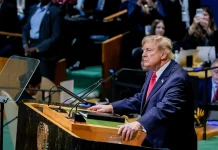
From Washington’s podium, President Donald Trump framed the deal as an unequivocal win. “A total and complete victory,” he told AFP, and he claimed the United States would suspend strikes on Iran while Tehran would allow the safe reopening of the strait. Trump added that Iran’s enriched uranium — a central flashpoint in the crisis — would be “perfectly taken care of” during the ceasefire.
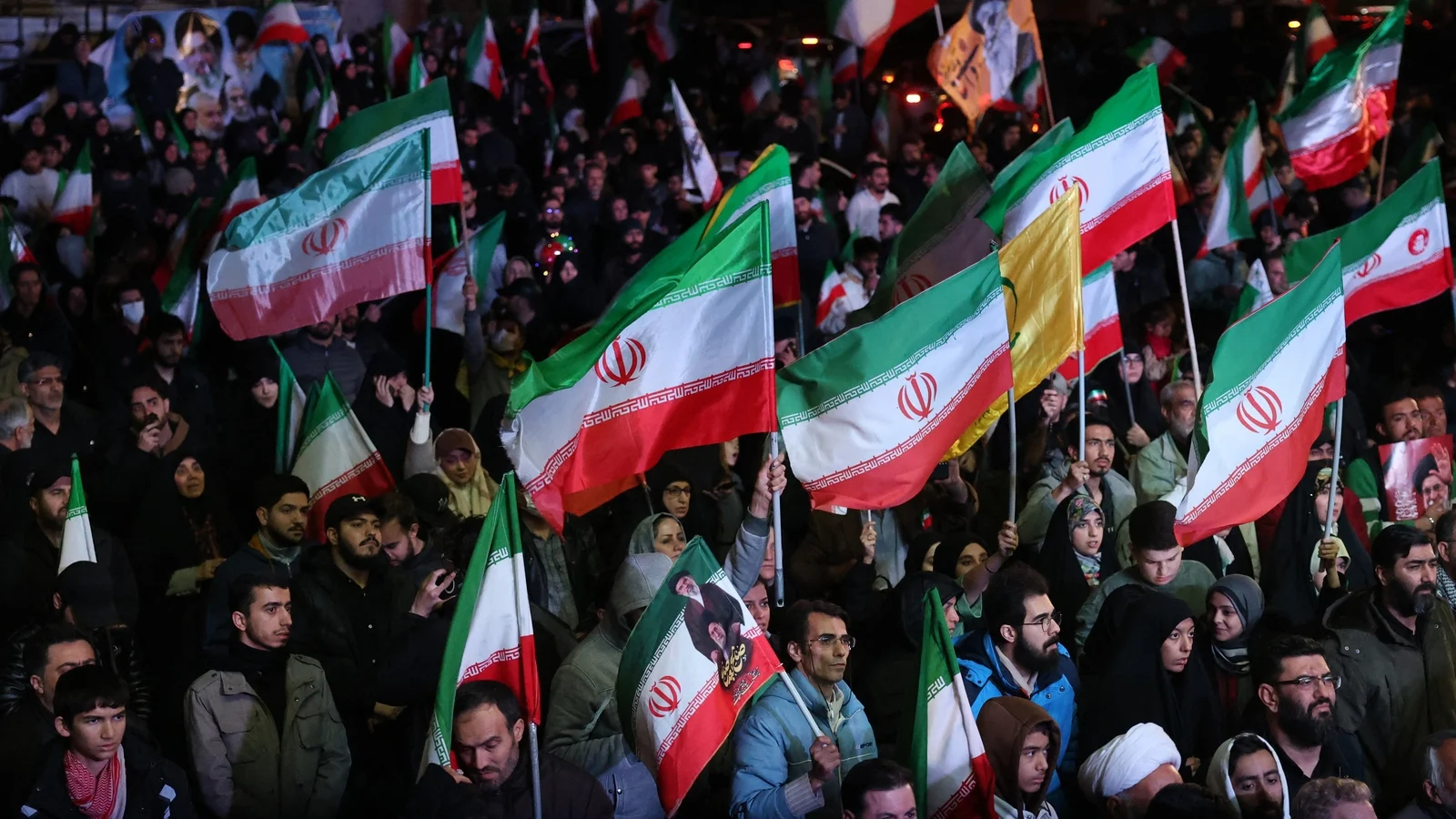
In Tehran, Foreign Minister Abbas Araghchi confirmed the practical side of the arrangement: a two-week corridor of safe passage through Hormuz. Yet his statement came with a heavier document at its side — a 10-point plan Tehran says could anchor peace. It included measures that go far beyond a temporary lull: continued Iranian control of the strait, acceptance of enrichment activities, lifting of primary and secondary sanctions, withdrawal of US forces from the region, release of frozen Iranian assets and a binding UN Security Council resolution.
Put plainly, the pieces don’t yet fit snugly. The United States had previously asked Tehran to stop further enrichment, limit missile programs, and cease supporting regional militias — terms Tehran has long rejected. Neither side has conceded much beyond the immediate, pragmatic opening of the waterway. Negotiations are to begin in Islamabad in the coming days, but it is hard to forget that in recent weeks rhetoric swung from diplomatic bargaining to talk of “unconditional surrender” and “full victory.”
Points of Friction
- Control of the Strait: Tehran insists on retaining a role; Washington seeks assurances it will not be used as leverage.
- Nuclear enrichment: Iran’s right to enrich is a red line for Tehran; Washington and some allies regard enrichment as a proliferation risk.
- Sanctions and assets: Tehran wants frozen funds released — a lifeline for a battered economy — while Washington has historically used sanctions as leverage over behavior.
- Proxy conflicts: Withdrawal or limits on US forces and the halting of attacks on Iran-linked groups across the region are both demanded and rejected at various times.
The Players in the Room — and Those Watching from the Sidelines
Pakistan quietly stepped into the breach as mediator, hosting talks and leveraging its regional relationships. “We will do our part to keep talks alive,” Prime Minister Shehbaz Sharif said, portraying Islamabad as a convening power that could shepherd the two sides toward a more durable settlement. Pakistan’s role matters: it sits between powers, shares cultural ties with both Tehran and Washington, and, until recently, has been a place where backchannels could quietly operate.
Israel — long an adversary of Tehran and a close strategic partner to Washington — gave conditional support to the pause in US strikes, but drew a line around Lebanon. Israeli officials insisted the ceasefire did not extend to Israeli operations against Hezbollah. Yet Pakistan’s statement had said the deal covered “everywhere including Lebanon,” exposing the yawning differences that remain even among allies.
On the ground in southern Lebanon, where months of conflict have claimed more than 1,500 lives according to local authorities, this ambiguity is lethal. “We are still burying people,” a nurse in Tyre told me. “Two weeks of calm are a promise, but promises must be turned into protection.”
Economics, Energy, and the Choreography of a Choked Waterway
The practical stakes are large. Roughly one-fifth of the world’s seaborne petroleum moves through the Strait of Hormuz. When that chokepoint is closed or threatened, oil and gas markets react within minutes, and economies feel it within weeks. Since Tehran had effectively restricted passage, energy markets tightened; tankers were rerouted, insurers demanded higher premiums, and the cost of moving crude rose. The announcement of the truce saw oil and gas prices decline — a technical signal of relief — but the drop was cautious, a reflection of markets’ distrust in temporary fixes.
“This is respite, not resolution,” said Dr. Laila Haddad, an energy analyst who has followed Persian Gulf flows for two decades. “Two weeks of corridor access will ease immediate bottlenecks, but it doesn’t change the structural dynamics: disputed control, sanctions, and regional proxies. Traders know two-week deals can evaporate.”
Human Cost and Global Ripples
Beneath headline geopolitics lie human stories that complicate tidy narratives of victory or defeat. Fishermen whose nets have been empty for weeks, truck drivers stuck at ports waiting for product transfers, and families in Lebanon and Gaza counting the dead — these are the metrics that don’t fit neatly into diplomatic spreadsheets. The humanitarian tally of the conflict is both acute and diffuse, the sort of damage that shapes politics for generations.
And globally, the crisis asks a larger question: how do states govern shared global commons under stress? The Strait of Hormuz is a narrow test of multilateral systems. When a major waterway becomes a bargaining chip, smaller nations that depend on energy imports and export markets become collateral in decisions they had no part in making.
What Comes Next — Negotiations, Nagging Doubts, and the Real Work
Negotiations are scheduled to begin in Islamabad this week, with both sides allotting two weeks for talks. What happens after that window will determine whether this is a genuine stepping-stone to a more durable settlement or simply a pause between storms.
Several paths could follow: a framework agreement that eases sanctions in exchange for concrete, verifiable nuclear limits; a tit-for-tat reduction of proxy activities across Lebanon, Syria and Iraq; or a collapse of talks and a plunge back into wider hostilities. Each path carries consequences far beyond the Gulf.
So ask yourself: would you place your bets on two weeks of talks producing a durable peace? Or do you view this as the world buying a little time, no more than that? The answer shapes how governments, markets and ordinary people respond in the coming days.
Closing Thought
For now, the Strait of Hormuz is open. For now, tankers are moving again. For now, families see a brief pause from the sirens. But two weeks is an instant in the long arc of history. If this respite is to become something more, it must be used not to posture but to build trust: verified agreements, mechanisms for enforcement, and a commitment to human life over geopolitical theatre. Without those, the next headline will be a reminder that tempers might cool, but the forces that brought the region to the brink remain very much alive.