Between Breath and Bombardment: A Day That Could Break—or Build—A Fragile Calm
The phone lines between capitals have not been quiet, but they have not yet rung with the sound of agreement. For a second straight morning, officials in Beirut shrugged when asked whether Damascus or Tel Aviv had picked up the phone. “We were not informed of any official contact,” a Lebanese government source told me, voice threaded with the weary caution that has become routine in the past six weeks.
It is a strange moment: a swirl of diplomacy, tweets and troop movements happening against the thump of sirens and the hush of neighborhoods that have learned to move through a war they did not choose. In Washington, mediators and aides speak in guarded optimism. In the markets, investors are pricing in relief. On the shores of the Strait of Hormuz, captains peer into a narrower corridor for tankers. And in between, families in southern Lebanon count bodies and madrassas convert into makeshift clinics.
What the leaders say—and what they do not
There has been talk from some corners that Israeli and Lebanese leaders might finally exchange words, perhaps by phone, perhaps beyond. Yet in Beirut the official line remains: no formal notice, no scheduled call. “If there were to be a conversation, we expect it to come through proper diplomatic channels,” a ministry official told me, flicking ash from a cigarette into an empty coffee cup.
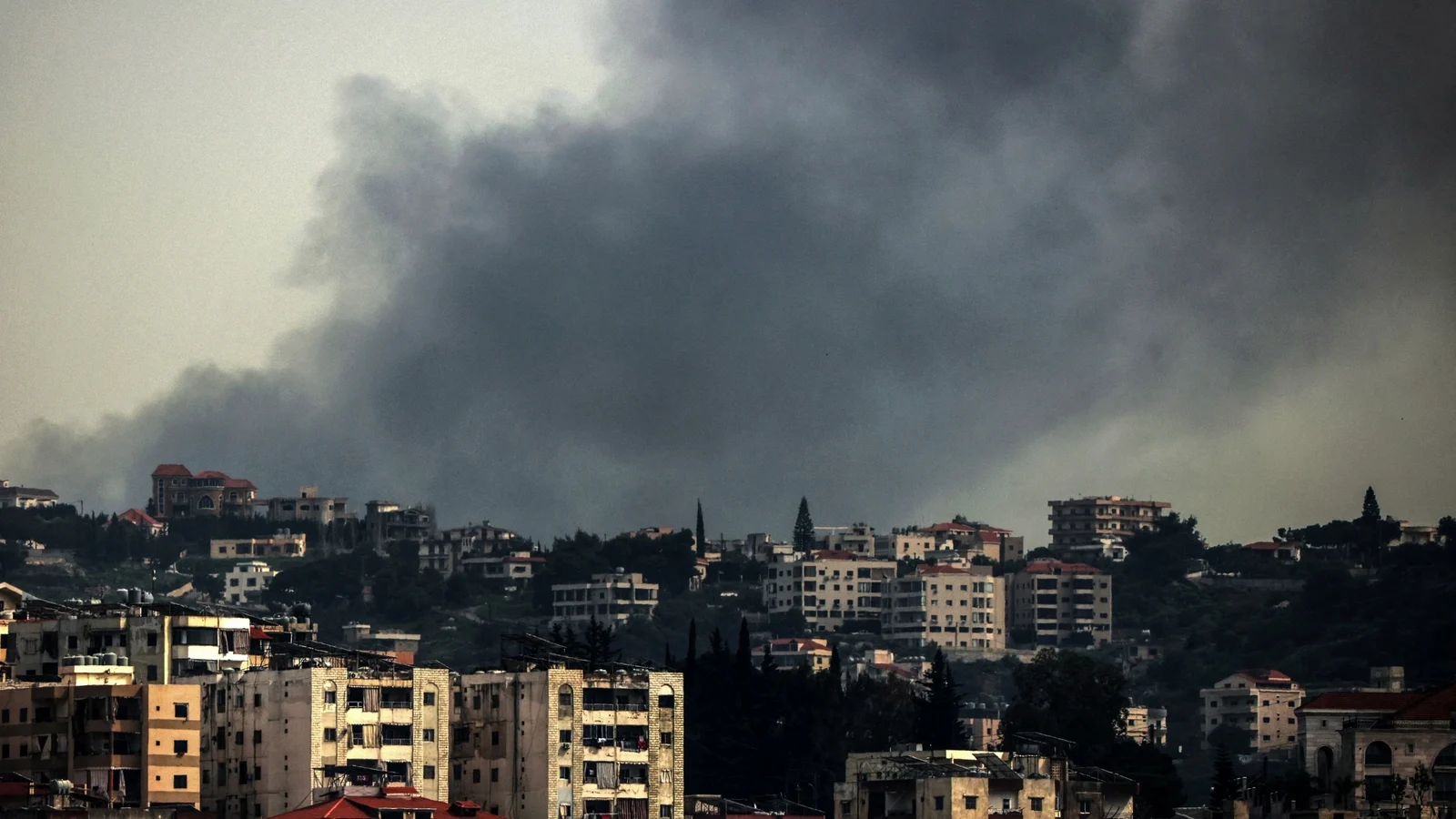
From the Israeli side, deliberations are ongoing. Cabinet members met recently to discuss a possible ceasefire after more than six weeks of fighting with Hezbollah. More than 2,000 people have been reported killed in Lebanon since the latest escalation, and health officials recorded a staggering toll of over 350 fatalities in one single day last week—a number that still leaves Beirut’s hospitals reeling and morgues overflowing.
Pakistan’s Field Marshal: An unlikely go-between
One of the most unexpected cast members in this regional drama is Field Marshal Asim Munir, Pakistan’s army chief. He flew to Tehran this week, a mediator in a series of shuttle talks that have stitched together quiet channels between Tehran and Washington. “He is here to try to narrow the gaps,” a senior Iranian aide told reporters, noting Munir’s role in facilitating past parleys.
In Tehran, the foreign ministry greeted Munir with measured warmth. “We are committed to promoting peace and stability in the region,” an Iranian diplomat said, welcoming him and insisting that Tehran would pursue “constructive options” to prevent a wider conflagration. The truth, however, is far messier: nuclear suspicions, missiles that cross borders, and a general atmosphere of distrust that has hardened over decades.
The human geography of an outbreak
Walk through the south of Lebanon and you will see the arithmetic of war etched on faces and buildings. A grocer in Tyre who used to open at dawn now keeps his shutters closed most days. “We live on hope and rice,” he told me, naming the two commodities he fears losing most. Church bells and the call to prayer mix with the metallic ring of ambulances. In one displacement centre, a woman held a picture of her son and said, “He was 19, he liked football and hummus.” It is a line you will hear again and again, because grief is its own refrain.
Lebanon’s health ministry has been sending daily tallies to international agencies: the dead, the wounded, the nameless bodies identified later by a frayed wristband. Aid agencies warn that the casualty figures likely undercount those trapped beneath rubble or those who cannot make it to a clinic because checkpoints or bombardments block the way.
Markets, oil and the calculus of pressure
On Friday, traders breathed a little easier. U.S. stock indices climbed and crude prices steadied, riding on hopes that the diplomatic hustle might yield a ceasefire. For markets, the big fear is the Strait of Hormuz—a vital artery through which around a fifth of the world’s seaborne oil usually passes.
Over the past months, Iran has dramatically narrowed the strait’s lanes, permitting mostly its own flagged vessels to transit freely and creating a choke point that has sent importers scrambling. China, which once bought over 80% of Iran’s shipped oil before the current standoff intensified, is watching closely as Washington issues warnings about secondary sanctions. “If we lose that route, the ripple effects will be felt in grocery carts as much as in energy desks,” an energy analyst in London told me.
The U.S. military reported that, in the first 48 hours of an enforcement action near Iranian ports, no foreign vessels passed the cordon; nine vessels turned away after being hailed by American forces. Tehran’s media countered with images of a supertanker steaming toward an Iranian terminal, underscoring how murky the reality on the water has become.
The nuclear shadow—and the tricky arithmetic of concessions
Underpinning the military fighting and the diplomatic ping-pong is the spectral question of Iran’s nuclear programme. Talks in recent days have grappled with how long Iran would be asked to keep a halt on enrichment: U.S. negotiators reportedly floated a suspension of up to 20 years, while Tehran proposed a much shorter pause of three to five years. Both sides also sparred over the fate of enriched material and the pace of sanctions relief.
“Neither side wants to look like it is capitulating,” said an arms-control expert based in Geneva. “The U.S. needs to show it can prevent a nuclear rush; Iran needs to show it can preserve dignity and economic breathing room. Somewhere in the middle, if diplomats can find it, lies a practical compromise—and a lot of political courage.”
What the public fears—and what it hopes
For ordinary people, geopolitics is not an abstract debate. It is the price they pay at the petrol pump, the missed weddings and funerals, the empty schoolrooms. “We want our children to study, not to memorize sirens,” an NGO worker in Beirut said, her hands restless as she organized donations.
And yet, amid sorrow, there is an appetite for peace. In Tehran, a café owner who had turned off the television during the day remarked, “People want safety. They want work. We tire of men on television promising things with big gestures. Real peace starts at the shop, at the school, at the table.”
Where might this go next?
Diplomats are talking about a return to Pakistan for another round of face-to-face negotiations; mediators call the conversations “productive and ongoing.” But the gap between “talks” and “truce” can be vast. Will a new set of agreements include clear mechanisms to prevent renewed fighting? Will the oil choke points be opened in a way that eases global energy shocks? Can trust—scarce as it is—be rebuilt?
- More than 2,000 people reported dead in Lebanon since hostilities flared.
- Over 350 deaths recorded in a single day last week, according to Lebanese health authorities.
- The strait of Hormuz remains a bottleneck for roughly 20% of seaborne oil flows.
Ask yourself: what would you trade to avoid another coffee-fueled diplomatic summit that leads to no ceasefire? How do you measure the cost of an hour of silence in a city that has learned to count missile strikes?
In the end, the shape of the coming days will be decided in bland conference rooms and in the quiet, stubborn acts of those who keep hospitals running and buses moving. Diplomacy can be sudden—an unexpected phone call—or it can be slow, a patient stitching together of steps that keep the worst at bay.
For now, the region balances on the narrow ledge between escalation and agreement. Somewhere in that stretch, beyond the rhetoric and headlines, are the ordinary lives that will determine whether a call will be a lifeline or a final missed chance.