A Fragile Pause: A Ceasefire Brokered in the Oval, A War That Refuses to Sleep
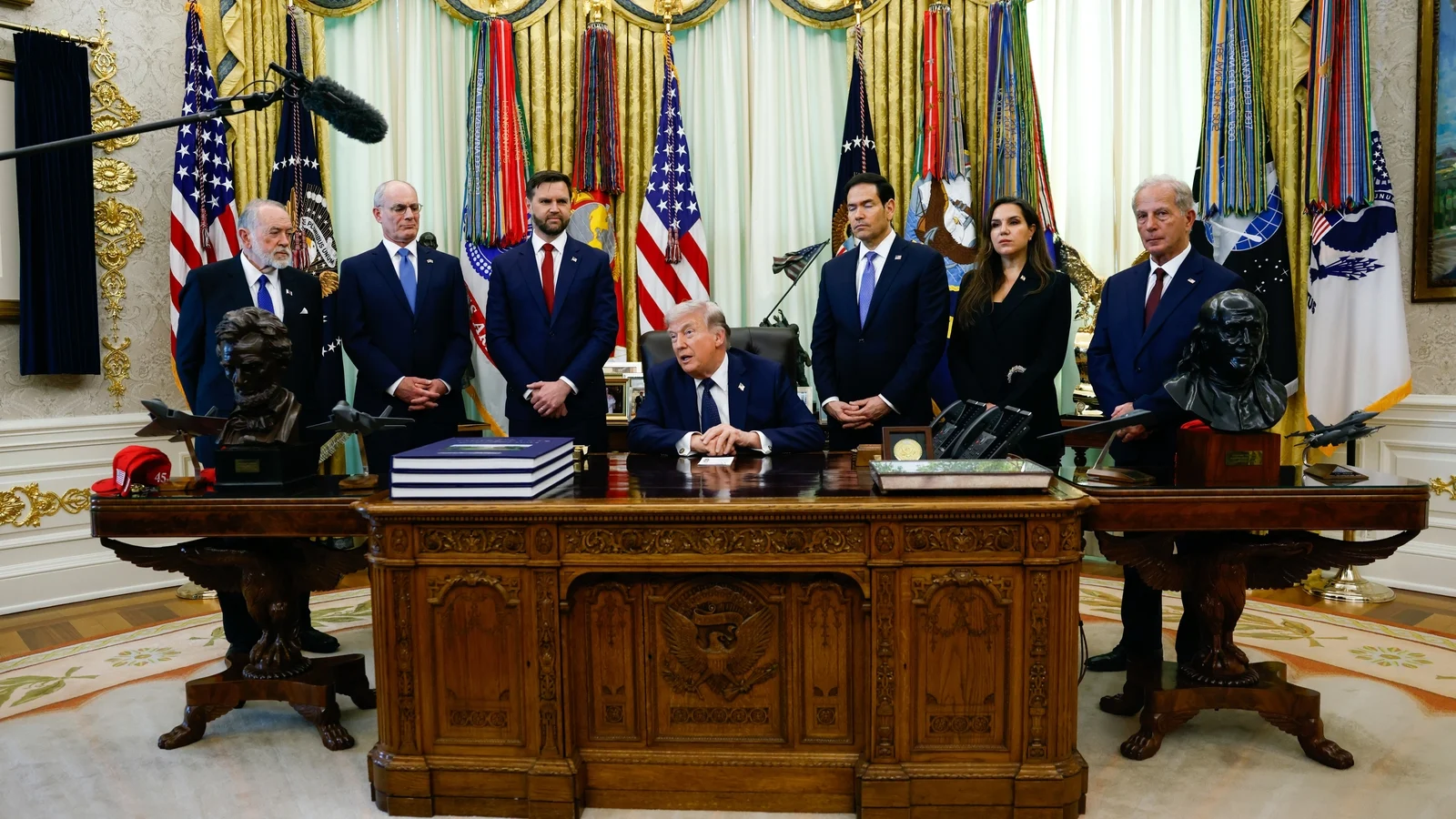
On an unusually mild spring afternoon in Washington, the Oval Office felt less like a room of power and more like a makeshift parlor where tentative promises were stitched together. Two diplomats — Israel’s envoy and Lebanon’s ambassador — sat across from the US president while, beyond the windows, the capital carried on: runners on the Mall, dogs tugging at leashes, the hum of airplanes overhead. The result: a three-week extension of a ceasefire between Israel and Lebanon, brokered under the intense glare of US mediation.
“The meeting went very well,” President Donald Trump later wrote, noting that the United States would “work with Lebanon in order to help it protect itself from Hezbollah.” He told reporters in his customary blunt style that he was in no hurry to push a deal that wouldn’t endure. “Don’t rush me,” he said. “I want to make the best deal. I want to have it everlasting.”
At the center of these negotiations is not only the living map of cities and borders but a mosaic of grief — families who lost homes in Beirut’s Ain al-Mreisseh, communities in southern Lebanon that have seen gunfire redouble in recent days, and Israeli towns that live with the phosphorescent fear of long-range missiles. The ceasefire extension buys breathing space, but in these neighborhoods breath remains shallow.
On the Ground: Beirut, Border Towns and the Rubble of Everyday Life
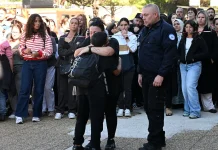
In Beirut’s Ain al-Mreisseh, a district that still bears the scars of this week’s airstrikes, neighbors pick through the shells of buildings like gardeners rifling through last season’s compost. Women in headscarves hand plastic-wrapped pastries to young men hauling bricks. A narrow alley fills every morning with the smell of boiled chickpeas and strong coffee, the city’s rhythm insisting on normalcy even when the skyline is jagged with ruin.
“We sleep with the windows open because we are tired of the sound of doors closing,” said Rami, a 42-year-old shopkeeper standing amid the dust of a once-bustling grocery. “We have to work. We have to live. But every siren pulls you back to the fear.”
Southern Lebanon has been a different kind of theatre — a smudged frontier of skirmishes and artillery. The Israeli military said it killed two armed individuals approaching soldiers, citing an “immediate threat.” Hezbollah, not a party to the Washington talks, reported mounting operations in response to Israeli strikes. The cycle continues: a strike here, a retaliation there, civilians caught like moths between two flames.
The Strait of Hormuz: A Narrow Waterway, A Global Thermometer
If the ceasefire in the north is one breathing tube for the region, the Strait of Hormuz is the heart monitor for the global economy. A day after Iran boasted of tightened control over the corridor, the world watched shipping lanes turn into a contest of wills. Iran’s capture of two large cargo ships sent a jolt through oil markets and underscored how maritime chokepoints can amplify a regional conflict into a global crisis.
To put the stakes in perspective: roughly a fifth to a quarter of the world’s seaborne oil has historically passed through the strait, making any disruption disproportionately costly. Tanker rates spike, insurers raise premiums, and markets respond in a language everyone understands — higher prices at the pump, tighter energy security for importers, and a cascade of economic uncertainty.
“When the Strait is threatened, no one is immune,” explained Dr. Lina Morales, a maritime security analyst based in London. “It’s a small stretch of water with enormous geopolitical leverage. Even symbolic actions — seizures, mine-laying, close encounters — can rattle global supply chains and investor confidence.”
Voices from the Fray: What People Are Saying
In Beirut, volunteers from local NGOs wheel carts of water and blankets to neighborhoods where power goes out with the next shelling. “We have become experts in improvisation,” said Amal, a nurse who asked that only her first name be used. “We sew bandages with one hand and calm a child with the other. This pause helps; it restores a few sleeps. But it is never enough.”
Along the coast near the strait, Mohammad, a veteran tanker captain, mixed weariness and anger. “We sail where we are told and risk our lives for cargo that means nothing to us,” he said. “The sea is honest. Men and waves are not political. But politics makes the sea a battleground.”
Washington’s posture has been a mix of reassurance and warning. President Trump said the US Navy has orders to strike Iranian boats laying mines in the strait, and he claimed conventional strikes had “decimated” Iran’s capabilities, ruling out the use of nuclear weapons in any such conflict. “A nuclear weapon should never be allowed to be used by anybody,” he told reporters.
Iran’s leadership pushed back against the image of weakness, with Ayatollah Mojtaba Khamenei — newly in the spotlight after a succession that shocked many — calling claims of disarray “the enemy’s media operations.” He promised a consolidation of unity at home and a posture of resistance abroad. For Tehran, showing control over Hormuz is as much about signaling to a domestic audience as it is about bargaining with foreign capitals.
Numbers to Keep in Mind
- Length of the ceasefire extension: three weeks.
- Duration of the regional conflict so far: roughly eight weeks since 28 February.
- Ceasefire status prior to extension: a pause since 8 April (with sporadic hostilities continuing in places).
- Global oil transit through the Strait of Hormuz: historically accounts for roughly 20–25% of seaborne oil flows.
Beyond the Headlines: What This Moment Means
This is a conflict stitched from old fabric and fresh fury: long-standing rivalries (Israel and Hezbollah), regional power plays (Iran and its proxies), and global anxieties (energy security, maritime freedom). The White House sits in the middle not merely as a mediator but as a stage where larger narratives are performed: deterrence, diplomacy, and domestic political theater.
There are hard questions here. How long can a ceasefire that leaves underlying tensions unresolved actually hold? What concessions, explicit or tacit, will be required to disarm militias whose roots run deep in local communities? And can global actors, from the United States to Gulf states and European capitals, translate a fragile pause into lasting security without imposing deals that breed resentment?
“Short-term pauses without long-term frameworks are like band-aids,” said Amira Haddad, a Beirut-based conflict resolution specialist. “You can cover a wound, but unless you treat the infection — political grievances, economic desperation, external interference — it will reopen.”
Looking Ahead: A World Watching
As diplomats prepare for further talks — Mr. Trump hinted at hosting the Israeli and Lebanese leaders in the near future — ordinary people keep tally in a different currency: the hours of sleep saved, the cost of bread, the fear of another siren. The ceasefire extension is neither a victory nor a surrender; it is an invitation to imagine a different future. Will the invitation be accepted? Will architects of a peace that includes not just leaders but communities, markets, and memories step up?
It is tempting, when crises feel remote, to hope diplomacy will paper over problems. But the human stories we meet in damaged alleys, crowded clinics, and on the decks of cargo ships remind us that peace is not a document signed in a room — it is the slow work of rebuilding trust, infrastructure, and dignity.
So let me ask you, the reader: what would you ask of a peace that claims to be “everlasting”? Whose voices must be centered? And how do we hold leaders accountable for more than the spectacle of a handshake?
The ceasefire’s new clock begins ticking now. The question is whether it will mark time — or buy the hours needed to make something better than a pause.