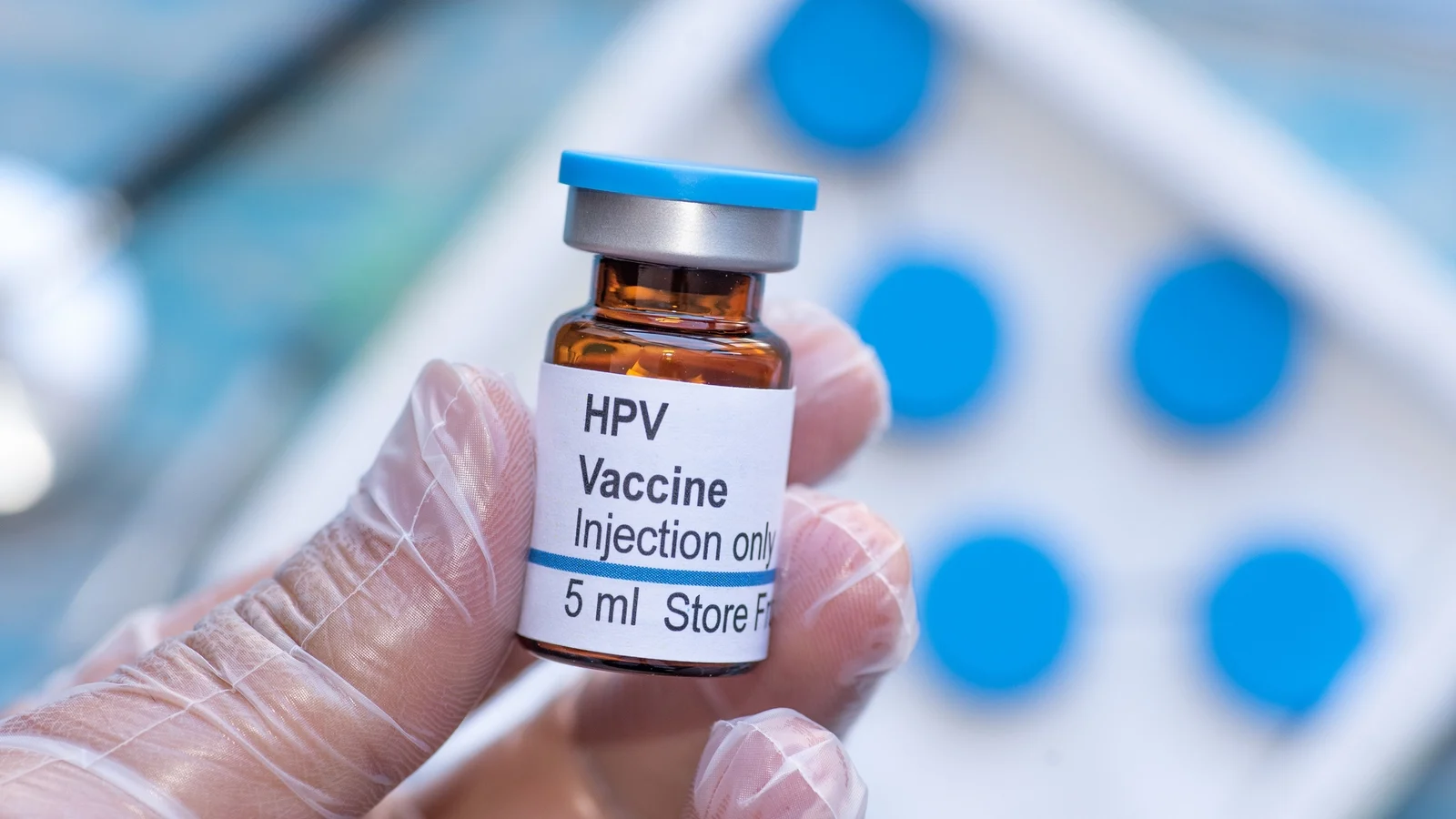
For the first time, a generation of young women in England is reaching adulthood with an almost non-existent risk of dying from cervical cancer a change researchers are directly linking to HPV vaccination at ages 12 to 13.
A UK study published in The Lancet reports that between 2020 and 2024, there were no cervical cancer deaths among women aged 20 to 24 in England, marking the first time this age group has recorded zero mortality from the disease.
Researchers said that without the protection offered by vaccination, about 23 deaths would have been expected over the same period.
The research, led by Queen Mary University of London and funded by Cancer Research UK, also found that in the years immediately before that milestone — from 2015 to 2019 — cervical cancer deaths among women aged 20 to 24 fell by 80%.
England introduced the HPV vaccine for girls in 2008, expanding the programme to boys in 2019.
In Ireland, the vaccine was rolled out for girls in their first year of secondary school in 2010, with the programme extended to boys in 2019.
Globally, momentum to tackle the disease has accelerated. In 2020, the World Health Organization set out targets to eliminate cervical cancer as a public health problem and called on every country to pursue its 90-70-90 goals by 2030.
Those targets aim for 90% of girls to be vaccinated against HPV by age 15, 70% of women to be screened by age 35 and again at 45, and 90% of people identified with cervical disease to receive treatment.
Ireland launched a Cervical Cancer Elimination Action Plan in 2024, setting out an ambition to achieve elimination by 2040.
HPV is a group of viruses spread through sexual contact that often causes no symptoms, meaning many people can carry it without realising.
About 13 high-risk types of HPV are known to be responsible for 99.7% of cervical cancers.
Beyond cervical cancer prevention, the vaccine also offers protection against genital warts and certain head and neck cancers, including cancers of the mouth or throat.
Professor Peter Sasieni, the study’s lead author from Queen Mary, said the findings break new ground in understanding the vaccine’s effect on the most serious outcomes.
“This is the first study to highlight the impact of HPV vaccination on cervical cancer mortality.
“We estimate that since its introduction, HPV vaccination has prevented nearly 200 young women from dying from cervical cancer in England.
“But that’s just the tip of the iceberg – as vaccinated generations grow older, we’ll see many more lives saved from cervical cancer.”