A dramatic surge of migrants into Spain’s North African territory of Ceuta has jolted the European Union into a fresh debate over border security, with European Commission chief Ursula von der Leyen urging “united action” after the episode set off a public row between Madrid and several EU partners.
Officials said the death toll from the mass rush has climbed to at least 72, after five more bodies were discovered along the North African coast.
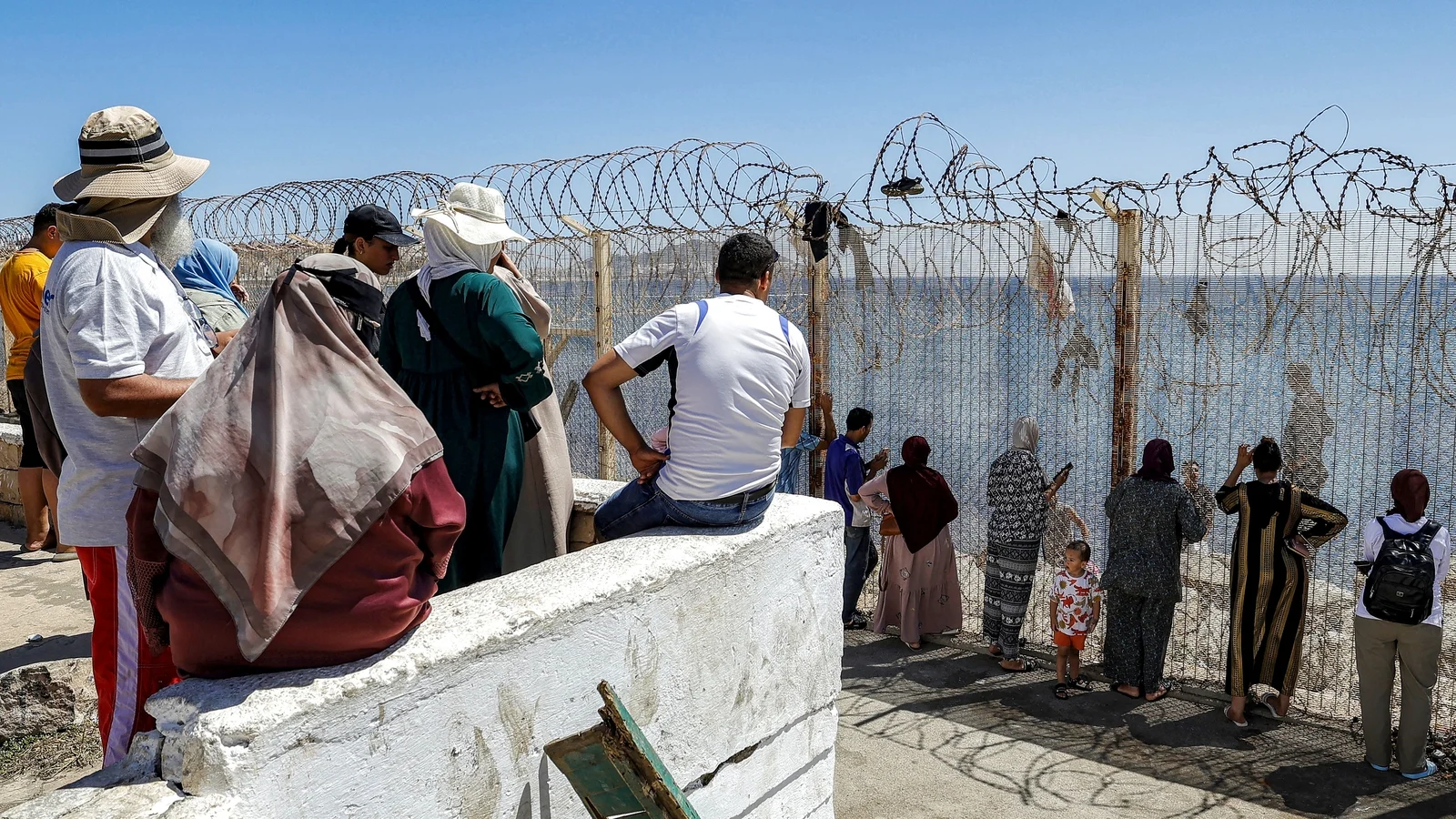
More than 50,000 people crossed into Ceuta by land and sea in an unprecedented influx that began on Thursday at one of the EU’s only two land borders with Africa, sparking alarm across the bloc.
“From this incident, it is clear that we must do more to further strengthen our borders at critical points,” Ms von der Leyen wrote in a letter to Spanish Prime Minister Pedro Sanchez.
Calling external border control “a shared European responsibility,” she pressed for “vigilant monitoring and the use of physical barriers where needed.”
Von der Leyen also praised Sanchez for the “swift handling” of a crisis in which tens of thousands streamed into Ceuta from Morocco — with almost all of them now gone, according to Spanish officials.
Even so, the scenes in Ceuta exposed sharp divisions among the EU’s 27 member states. Migration hardliners, including Italy and Denmark, seized on the surge to argue that Spain should be suspended from the Schengen free-travel area.
Madrid rejected what it described as a “selfish” suggestion — and one that is legally impossible under EU rules — while urging emergency talks among EU interior ministers to map out the response.
The videoconference scheduled for tomorrow will offer an opportunity to draw “lessons” from the Ceuta episode, Ms von der Leyen said, warning that illegal immigration pressures demand “a common European response, united action and solidarity”.
Spanish authorities said more than 48,000 people returned to Morocco within 48 hours, with additional returns over the weekend.
In Ceuta, the Spanish government’s representative, Miguel Angel Perez, told reporters that beyond the 72 fatalities, health services had treated more than 1,000 people.
The territory’s situation had improved significantly, Perez said, though he added that work remained to restore normal life.
Some migrants drowned, while others were crushed as they attempted to scale a breakwater and border fence.
Moroccan authorities set the number of those involved in the crossing at 40,000, far lower than the figure used by Spanish officials
Many of those who tried to reach Ceuta were propelled by economic hardship and stirred by rumours circulating on social media.
Morocco’s Interior Ministry said in a statement that 11 people had died, mostly by drowning while attempting to enter Spanish territory, and said it was fact-checking reports of deaths coming from the other side of the border.
The ministry attributed the rush to social media misinformation, human trafficking networks and a misunderstanding of a Spanish ruling banning immediate returns of migrants intercepted at sea — an assessment that echoed remarks from Spain’s Foreign Ministry.
Moroccan authorities put the number involved in the crossing at 40,000, far below Spanish officials’ figure, and said 1,135 people were prevented from entering Melilla, another Spanish enclave.
Reiterating its commitment to counter illegal migration, Morocco’s statement called for shared responsibility in managing the pressures.
“It pains me deeply that young people are dying at sea. It’s not right that, in the year 2026, women with children as young as two months old should be crossing the sea only to die,” said Karima Abenaz, a French national in Ceuta with family in Morocco, speaking through tears.
“In Morocco, there’s food, there’s everything we need,” she said. “If we don’t have a decent job, we should go on strike and demand our rights from the government. We shouldn’t be dying at sea, it’s not right.”
Ceuta leader Juan Jesus Vivas told the newspaper El País that the city’s morgue had received 88 corpses, including some who died in earlier, smaller attempts to reach the territory during dangerous night-time swims over the past two weeks.
He said Moroccan authorities were also retrieving bodies from the sea, but that no official information was available.
Authorities have stepped up police and army patrols, and a 500-metre floating barrier was installed off Ceuta on Saturday.