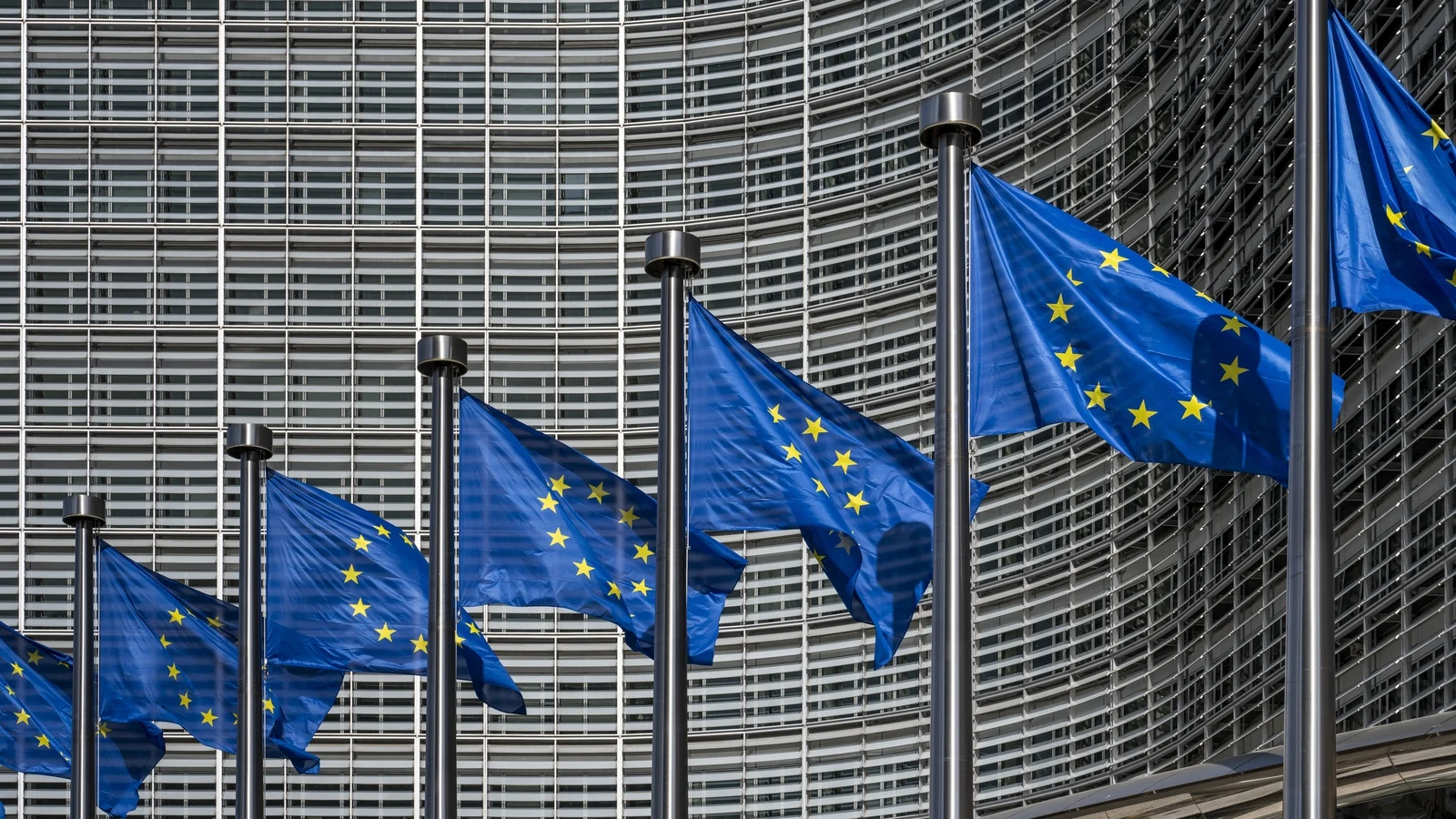
Europe’s crackdown on packaging is moving from promise to practice: new EU limits targeting “forever chemicals” in food packaging have taken effect alongside a sweeping push to rein in the bloc’s mounting packaging waste.
The chemicals in question — per- and polyfluoroalkyl substances (PFAS) — are a broad family of synthetic compounds that persist in the environment for an extremely long time. Governments around the world have been tightening restrictions as evidence mounts of harmful health impacts.
“From now on, food-contact packaging containing PFAS above strict limits can no longer be placed on the EU market,” the European Commission said in a statement.
The restrictions arrive as the European Union confronts a surge in packaging waste across its 27-country bloc, driven in part by the boom in online shopping and the steady rise of on-the-go consumption.
The new framework will roll out in several stages. Among the headline requirements: all packaging must be recyclable by 2030.
By that same year, the EU will also prohibit certain single-use formats — including small sauce packets and mini shampoo bottles in hotels — where they are deemed unnecessary or where more sustainable options are available.
In parallel, the bloc has set measurable waste-reduction goals, aiming to cut packaging waste by 5% by 2030 and 15% by 2040, using 2018 levels as the baseline.
The rules also mandate clearer labelling designed to make recycling simpler for consumers, with details on what packaging is made of, where to dispose of it, and how to return it for reuse.
Even with the new limits in force, the EU continues to face calls for a more sweeping prohibition on “forever chemicals,” as experts warn PFAS represent a growing threat to both human health and the environment.
Research has linked chronic exposure — even at low levels — to liver damage, high cholesterol, weakened immune responses, low birth weights and several types of cancer.
Yet PFAS remain widely used in common food packaging materials such as pizza boxes, paper bakery bags and wrapping paper, prized for their resistance to water and grease.
European officials said earlier this year that although a legislative proposal on PFAS has been promised, it is not expected before the end of 2026.