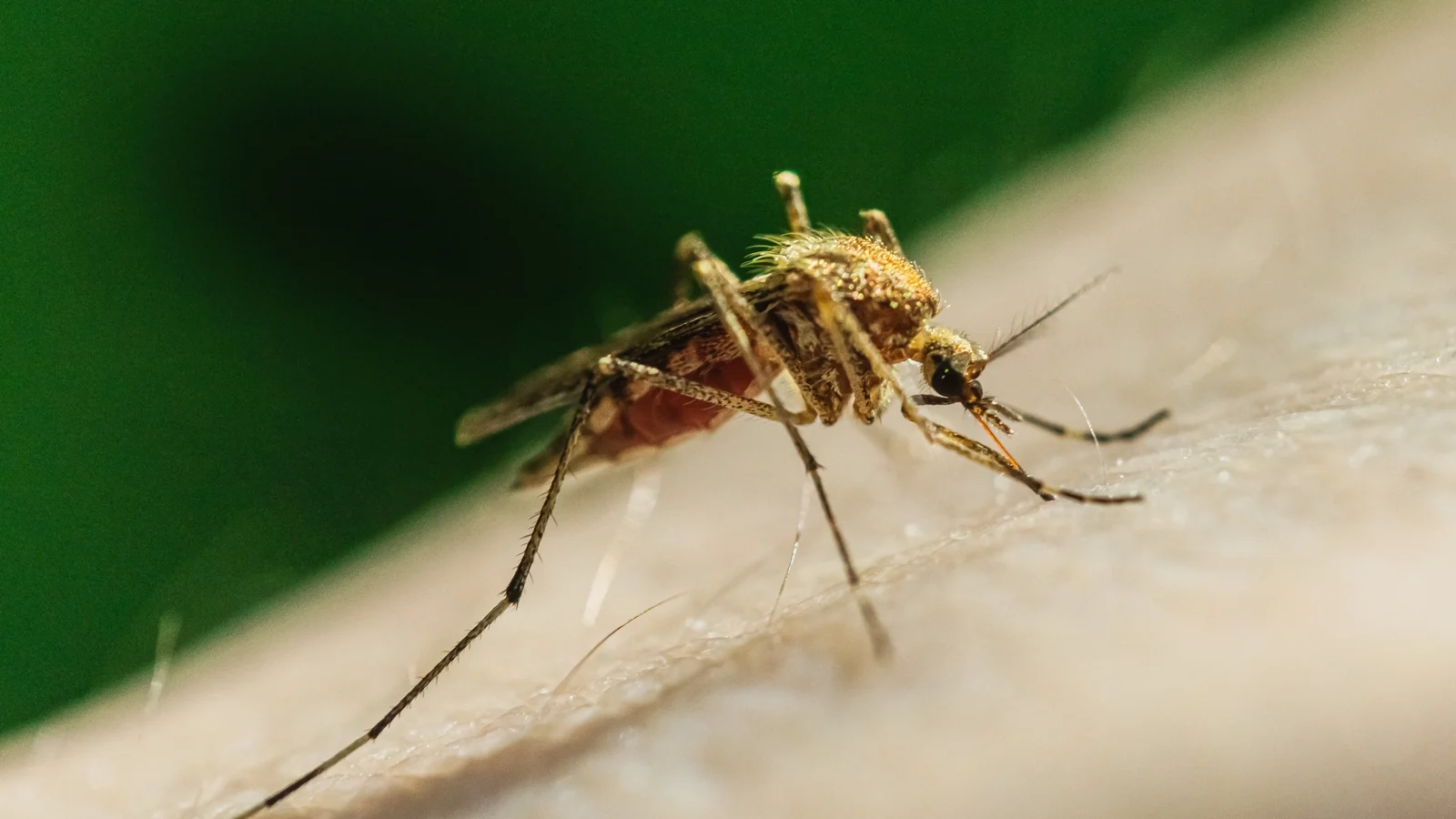
West Nile virus is widening its footprint across Europe this year, with 12 countries now reporting locally acquired infections — up from nine at the same point last year — prompting the EU’s health agency to urge stronger mosquito-control measures.
The mosquito-borne virus often triggers flu-like illness, but severe infections can escalate dramatically, causing tremours, fever, comas and a potentially fatal swelling of brain tissue known as encephalitis. It can also lead to meningitis.
There are no approved human vaccines and no specific treatments for the virus, according to the WHO.
Care is limited to managing symptoms and providing supportive hospital treatment for severe cases.
The 12 countries are Spain, France, Germany, Greece, Italy, the Netherlands, Albania, Austria, Kosovo, North Macedonia, Romania, and Serbia, with infections reported in 99 regions, according to the European Centre for Disease Prevention and Control (ECDC).
Italy and Greece recorded the highest tallies, with 311 and 157 cases respectively, while 21 regions across Europe logged their first ever infections.
By comparison, 67 regions in nine European countries had reported cases during the corresponding period in August 2025.
“The expansion of West Nile virus transmission as well as the spread of invasive mosquito species demonstrate why Europe needs to strengthen its mosquito-control capacity,” ECDC executive Celine Gossner said in a statement.
“For effective mosquito control, we need close cooperation in Europe and an integrated approach that brings together mosquito monitoring, community engagement, and targeted mosquito control solutions that take environmental impact into account.”
Across Europe, most human infections are reported during mosquito season — typically from late spring through autumn — with transmission peaking between July and September.
The ECDC noted that the Culex mosquitoes responsible for spreading West Nile virus are already widespread on the continent. At the same time, the Asian tiger mosquito (Aedes albopictus) — a species capable of transmitting the dengue and chikungunya viruses — is now established in 16 European countries, double the number from 12 years ago.