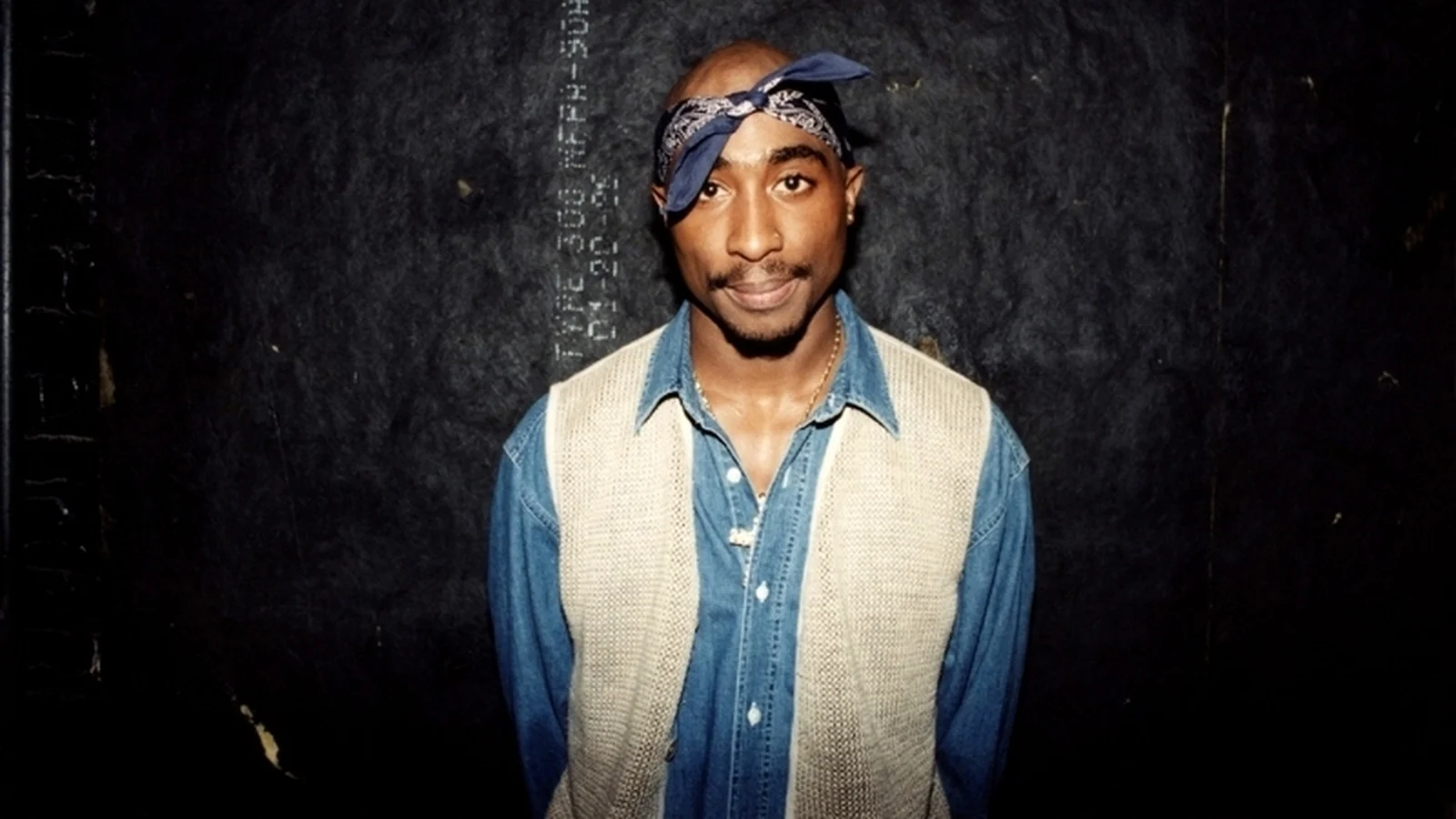
Nearly 30 years after a burst of gunfire on a Las Vegas strip ended Tupac Shakur’s life and ignited one of hip-hop’s most enduring mysteries, a Nevada jury has convicted a former street gang leader of murder for his role in the drive-by shooting.
A Clark County jury deliberated for close to three hours before returning a verdict against Duane ‘Keffe D’ Davis, 63, finding him guilty of one count of first-degree murder with a deadly weapon. The decision followed an 11-day trial in a downtown Las Vegas courtroom.
Davis now faces a maximum punishment of life in prison without the possibility of parole when he is sentenced on 13 October.
He told the judge “he plans to appeal this matter”.
Moment jury finds ex-gang leader guilty in Tupac killing case
As the court adjourned, several people seated in the gallery dabbed at tears, and some embraced a prosecutor.
Emails seeking comment were not immediately returned by representatives of the Clark County District Attorney’s Office or by Davis’ lawyer.
In closing arguments, Binu Palal of the Clark County District Attorney’s Office urged jurors to view the case through the lens of street-gang rules, saying Davis felt bound by a code that demanded retaliation after his nephew was beaten.
“So what did he do? He acquired a firearm, got his group together, and went hunting for M. Shakur,” Mr Palal said.
Investigators have said Davis was a long-time suspect but that charges did not come until he publicly discussed his account in media interviews and in a memoir. Prosecutors leaned heavily on those statements, as well as recordings from Davis’ secret meetings with investigators, which formed much of the state’s case.
Police said they long suspected Duane ‘Keffe D’ Davis but did not have enough evidence to charge him
‘Fiction not fact’
Defense lawyer Michael Sanft argued to jurors that Davis’ narrative was not backed up by independent evidence and should not be treated as reliable. He also contended the investigation was undermined by police corruption, mismanagement and missing files.
“You’re reading a book that is fiction and not fact, but the state wants you to believe that this is somehow a confession,” Sanft said, referencing Davis’ 2019 memoir “Compton Street Legend.”
During the past two weeks of testimony, prosecutors played hours of recorded interviews in which Davis described being furious after Mr Shakur and members of his entourage assaulted Davis’ nephew.
Davis told police—during an unrelated investigation—that he and three other men, including his nephew, drove through Las Vegas in a white Cadillac on the night of the beating, searching for Mr Shakur and record executive Marion ‘Suge’ Knight. Davis said he handed a gun to someone in the back seat and, after they located Knight and Mr Shakur’s vehicle, one of the two men riding in back fired the shots.
Prosecutors have not identified the shooter. The other three men who were in the car have since died. Nevada law allows Davis to be convicted of murder even if he was not the person who pulled the trigger.
Davis was described as a leader of the South Side Compton Crips, a Los Angeles-area street gang that clashed with Mob Piru, a rival group associated with Mr Shakur and his label, Death Row Records.
Mr Shakur was killed in 1996, a watershed moment in rap that amplified the genre’s association with violence during the height of “gangsta” rap, an era marked by bitter disputes between East and West Coast artists.