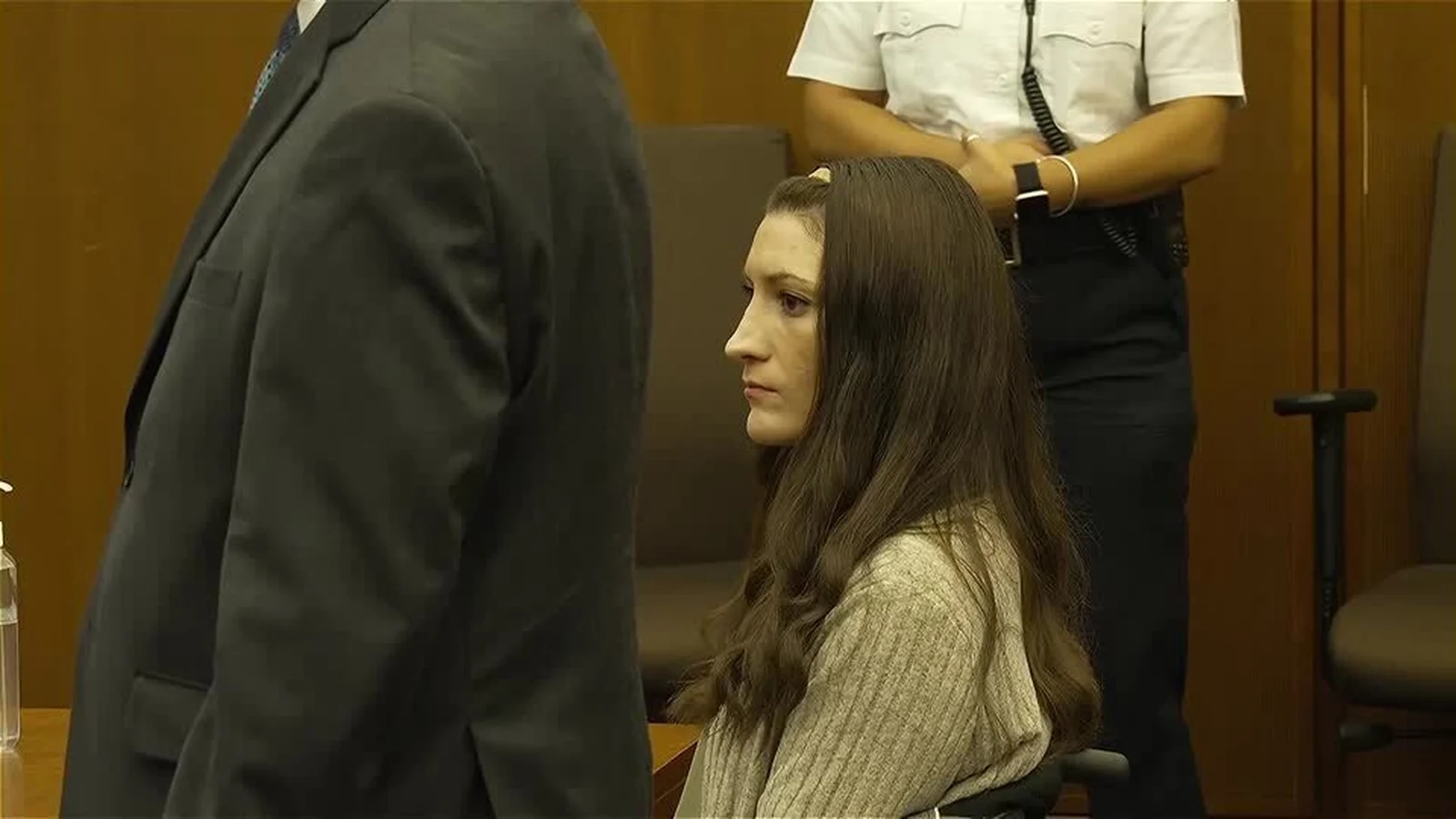
A Massachusetts murder trial that drew national attention to postpartum mental illness and criminal responsibility was thrown into limbo after jurors could not reach a unanimous verdict in the case against Lindsay Clancy, accused of killing her three young children in 2023.
Judge William Sullivan said he had no choice but to declare a mistrial because the jury was deadlocked. However, he said he would pause for an hour before formally making that declaration to allow Ms Clancy’s defence lawyer, Kevin Reddington, time to file an emergency appeal aimed at permitting jurors to continue deliberations.
The nearly six-week-long televised proceedings rekindled long-running arguments in the US over how postpartum mental health is addressed and how courts weigh such conditions in cases involving mothers who kill their children.
No one disputed that Ms Clancy, 36, strangled her three children in January 2023 using exercise bands in the basement of her home in Duxbury, a Boston suburb.
Authorities said she then cut herself with a knife and jumped from a second-story window in an unsuccessful attempt to take her own life, an act that left her paralysed.
Throughout the trial, Mr Reddington urged jurors to find Ms Clancy not guilty by lack of criminal responsibility, or reason of insanity. He portrayed her as a devoted mother who, he argued, was experiencing a psychotic episode when she killed Cora, five; Dawson, three; and eight-month-old Callan on 24 January 2023.
Family testimony, including from Ms Clancy’s now ex-husband, Patrick, described months of worsening mental-health struggles after the birth of the couple’s third child. Witnesses said she repeatedly sought medical help and was prescribed a range of medications.
The case prompted comparisons to Andrea Yates, the Texas woman who drowned her five children in a bathtub in 2001.
Her initial murder conviction was later overturned on appeal, and in 2006 she was found not guilty by reason of insanity. Her attorneys said she suffered from severe postpartum psychosis.
Prosecutors in Ms Clancy’s case did not contest that she, a former labour and delivery nurse at Massachusetts General Hospital, had been grappling with mental-health issues.
But they maintained that she understood the wrongfulness of killing her children and chose to do so deliberately.
Jurors heard from a psychologist presented by the prosecution who examined Ms Clancy and concluded she had intended to die by suicide but killed her children because “she was convinced that they would suffer without her.”
Prosecutors also highlighted evidence from shortly before the deaths, saying Ms Clancy sent her husband out to collect a food order and stop at a pharmacy, after using her phone to map how long it would take him to get back home.
Patrick Clancy testified that his wife had been released from a psychiatric hospital less than two weeks earlier, yet in the days after returning home showed no indications she planned to harm herself or the children.
When he left to pick up dinner, he said, she appeared “normal.”
He told the court he spoke briefly with her by phone while at the pharmacy.
When he returned home, he said he found her in the backyard with cuts on her wrists and neck.
He testified that she told him she had tried to kill herself.
He said he asked where the children were, and she told him they were in the basement.
After calling 911 and as first responders arrived, Mr Clancy said he ran downstairs and found the children with exercise bands tied around their necks.
Several witnesses, including Mr Clancy, testified that later, while Ms Clancy was in hospital, she spoke of having heard a man’s voice tell her that if she did not act, she would lose her chance.