Food costs around the world jumped again in August, climbing to their highest level since late 2022 as punishing weather and conflict-driven trade disruptions rattled supplies of key staples, the United Nations’ Food and Agriculture Organization (FAO) reported.
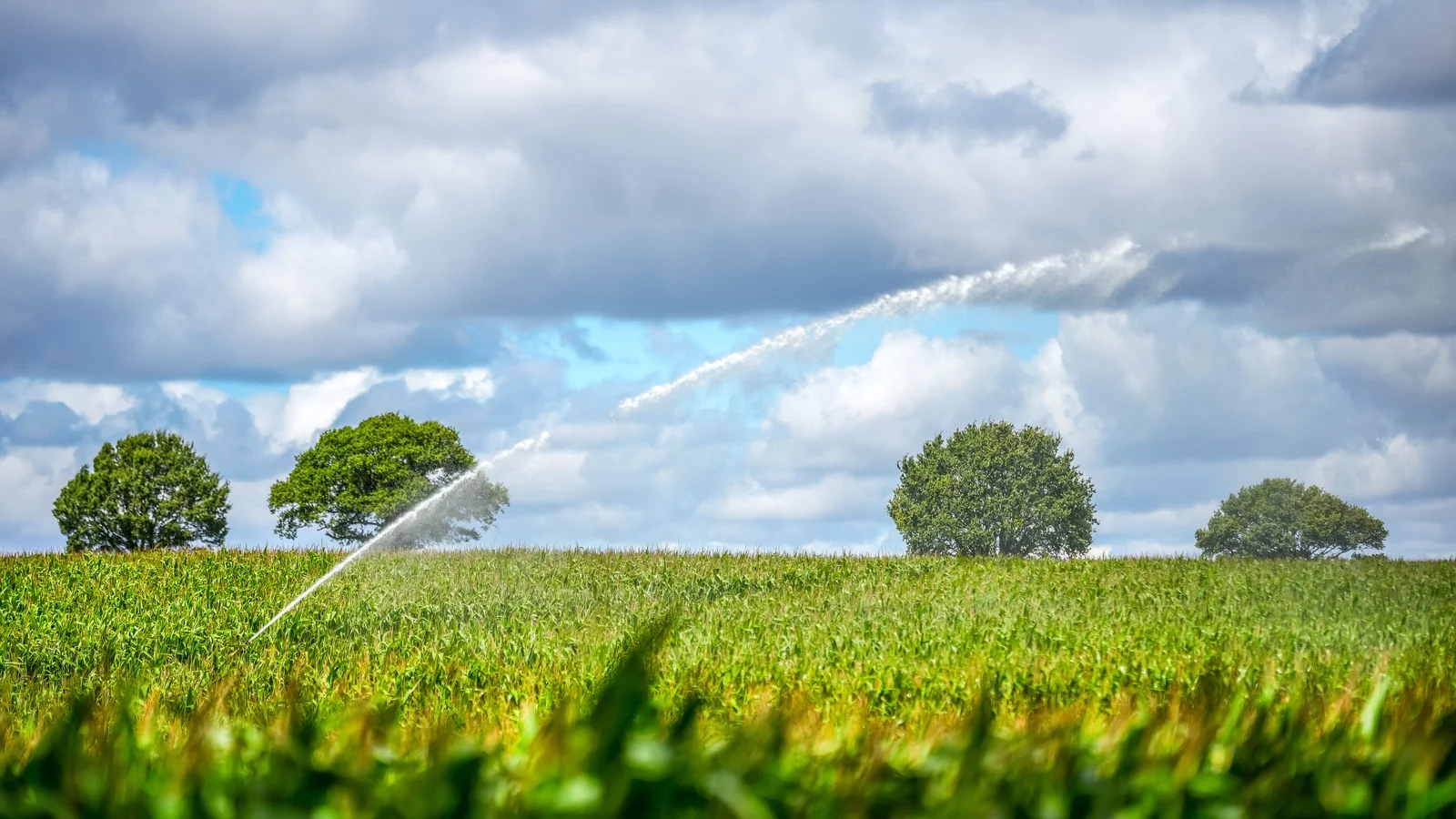
Across Europe, extreme heat and drought have strained crops and livestock. At the same time, markets are bracing for the possibility of a severe El Niño pattern, while trade flows have been jolted by the Ukraine and Iran wars. The combination has pushed grain prices to three-year highs and lifted sugar to a one-year peak.
The FAO Food Price Index — which measures monthly changes in a basket of internationally traded food commodities — averaged 133.3 points in August, up from July’s revised 130.8.
The reading marked the highest level since November 2022, though it remains nearly 17% below the record peak reached in March 2022 following Russia’s full-scale invasion of Ukraine.
Extreme heat and drought in Europe and disruption from war is pushing prices higher
“August’s increase in global food prices is a warning that the risk premium is returning to food markets: climate shocks, geopolitical tensions and disrupted trade logistics are converging to tighten supply expectations,” FAO Chief Economist Maximo Torero said in a statement.
Every major FAO benchmark tracked by the agency moved higher in August, including cereals, vegetable oils, sugar, meat and dairy.
The FAO said the summer’s extreme European weather has clouded outlooks for maize and sugar beet harvests and weighed on livestock output. Meanwhile, the expected arrival of El Niño has heightened anxiety over vegetable oil and sugar production.
On the geopolitical front, escalating attacks in the Black Sea have reduced grain shipments from Russia and Ukraine in their four-and-a-half-year-old war, while the US-Israeli war on Iran continued to squeeze fertiliser flows critical to crop production.
Separately, the FAO trimmed its 2026 forecast for global cereal production by 3.4 million metric tons from July to 2.980 billion tons. The new projection is now 2.0% below 2025, but would still represent the second-largest harvest ever recorded.
France to give more than €1bn of aid for weather-hit farmers
France said it will provide more than €1bn in support for farmers after record heatwaves and drought inflicted widespread damage on crops, pastures and water supplies.
The announcement comes as the French government prepares a politically fraught budget for next year, with Paris aiming to keep the deficit in check ahead of the 2027 presidential election.
“€1bn represents a massive effort given the current budgetary context,” Agriculture Minister Annie Genevard told reporters.
Genevard said roughly half of the package — €520m — will go toward rapid payments to help farmers recover from weather-related damage.
The plan also sets up a local recovery fund to help farms purchase seeds and secure plant and animal feed after drought conditions have left large areas of farmland parched.
Additional steps include land-tax relief, assistance with social-security payments and a fuel subsidy.
France’s main farmers’ union, the FNSEA, said agricultural production losses this summer are expected to exceed €10bn, with more than €5bn already estimated across livestock and crop sectors.
Another heatwave is forecast this week in the European Union’s largest agricultural producer.