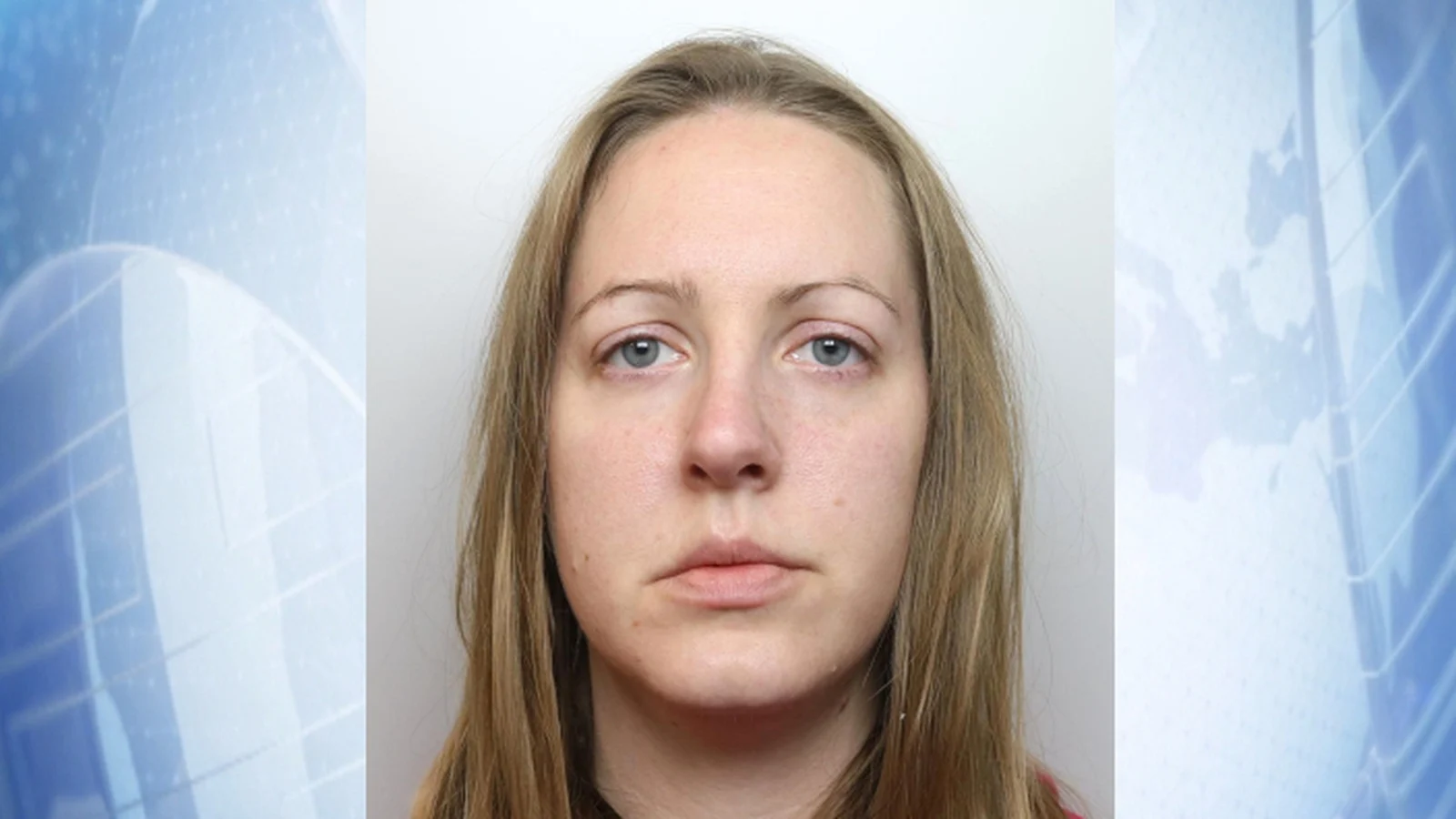
As a public inquiry prepares to deliver its final verdict on what went wrong inside a northern England neonatal unit, the case of Lucy Letby is again under intense scrutiny — not over whether she was convicted, but whether the medical evidence used to convict her has been properly tested in the court of public debate.
Letby was found guilty in 2023 of murdering seven newborn babies and attempting to murder seven others, offences committed between June 2015 and June 2016 while she worked at the Countess of Chester Hospital’s neonatal unit. The verdicts made her Britain’s most prolific serial child killer in modern times.
After later being convicted at a retrial of an additional count of attempted murder, she was sentenced to life in prison without parole. In response, the UK government commissioned a public inquiry aimed at drawing lessons from how the crimes happened and how institutions responded.
The inquiry has examined how the killings were not detected sooner and has scrutinised the hospital’s handling of warnings and concerns raised about Letby before she was arrested.
Yet even as that work has continued, some medical experts and specialists have publicly challenged aspects of the prosecution case, raising doubts about elements of the medical evidence. Their interventions have come despite Letby having already failed in an attempt to overturn her convictions — and have drawn an angry response from police.
Letby’s remaining formal path to contest the verdicts is through the Criminal Cases Review Commission, the independent watchdog that investigates possible miscarriages of justice and is reviewing an application submitted by her legal team.
Even with that process under way, the public inquiry has pressed on. Its chair refused a request last year to halt proceedings while challenges to the convictions played out.
Inquiry chair Kathryn Thirlwall has stressed that reassessing Letby’s convictions falls outside the inquiry’s remit, and has warned that the “noise” surrounding the case has inflicted further distress on affected families.
Nonetheless, the final report is expected to be closely parsed by those who maintain Letby is innocent — particularly for any conclusions it reaches about staffing, systems and conditions at the Countess of Chester Hospital.
Earlier this year, the Crown Prosecution Service said there was insufficient evidence to pursue additional charges connected to Letby’s time working at the Countess of Chester Hospital and at Liverpool Women’s Hospital.
Police have said three senior managers at the Countess of Chester Hospital were arrested last year on suspicion of gross negligence manslaughter and remain under investigation.