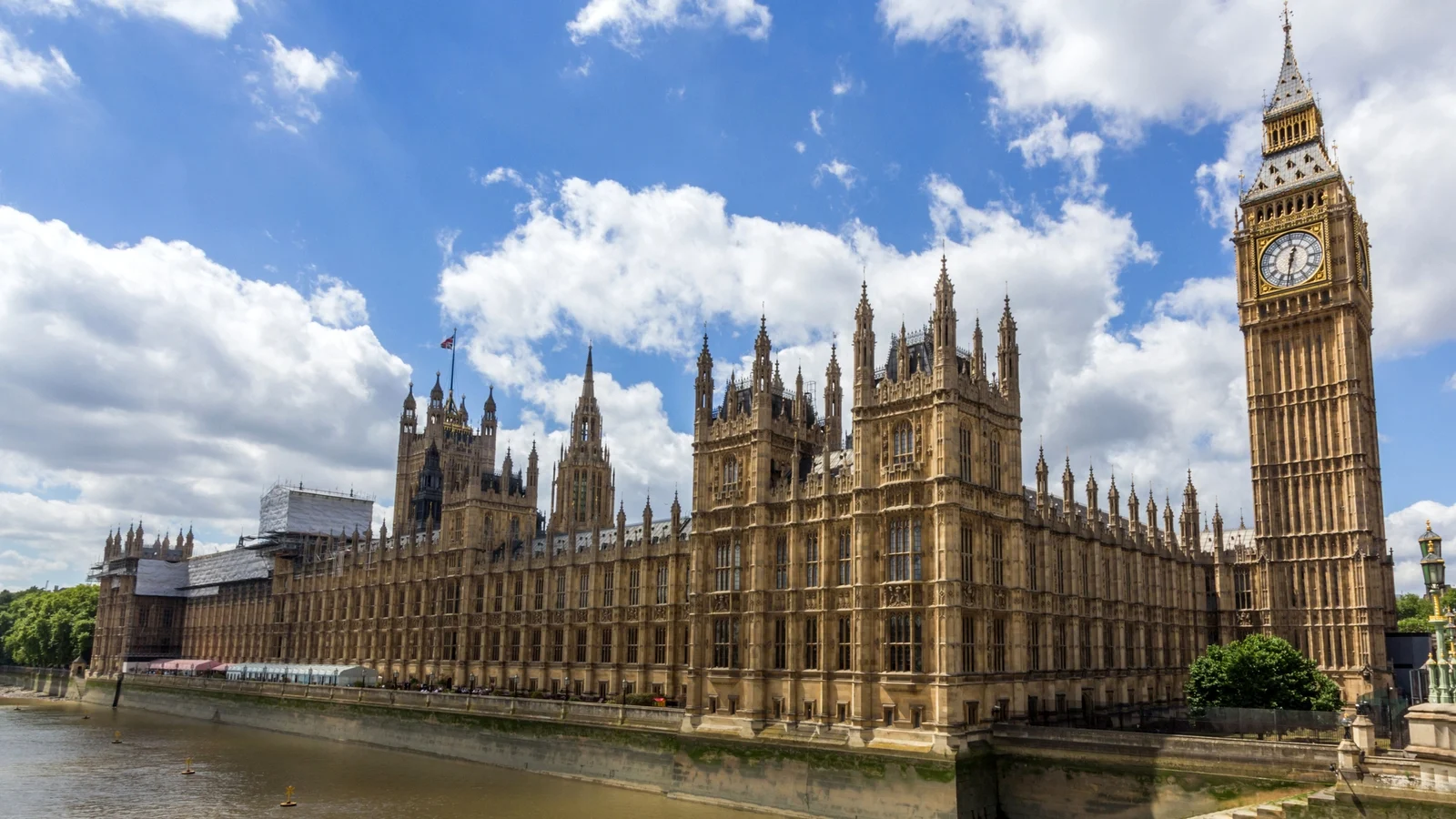
Westminster has taken a major step toward reshaping how Britain confronts the legacy of the Northern Ireland Troubles, after MPs backed the Northern Ireland Troubles Bill through all its Commons stages.
The legislation cleared its final Commons hurdle by 330 votes to 178, handing the government a majority of 152.
Ministers say the bill is designed to replace the 2023 Northern Ireland Legacy Act, which had offered immunity from prosecution to individuals who co-operated with a fact-finding body created under that law. The Legacy Act was subsequently found to be incompatible with the European convention on Human Rights.
Under the new proposals, the bill removes the concept of blanket immunity from prosecution. At the same time, following intense lobbying by former members of the British army, it incorporates a series of assurances aimed at former members of the security forces.
One of the most significant changes shifts the final call on whether to prosecute alleged Troubles-related crimes from the public prosecutor in Belfast to the Attorney General in London. The bill also opens the door for a limited number of inquests to go ahead.
It also establishes a new Legacy Commission with a dual purpose: to collect information that could help families of Troubles victims learn what happened to their relatives, and to pursue investigations where it considers them justified.
Having passed the Commons, the Troubles Bill now heads to the House of Lords, where it is expected to face lengthy and detailed scrutiny.
Once the bill completes its Lords stages – but before it receives royal assent and becomes law – the Irish Government plans to begin drafting detailed legislation for the Oireachtas to create legal mechanisms enabling Irish co-operation with the Legacy commission and its work.
That co-operation is expected to include sharing information held by the Department of Justice, as well as garda and military files.
Across two days of debate during the committee and report stages, several prominent MPs from both the Conservative and Labour parties raised doubts over whether the Irish Government will meet its obligations under an agreement on dealing with legacy issues signed by both governments last September.
Watch: RTÉ’s London Correspondent Sean Whelan has the latest from Westminster
We need your consent to load this rte-player contentWe use rte-player to manage extra content that can set cookies on your device and collect data about your activity. Please review their details and accept them to load the content.Manage Preferences