
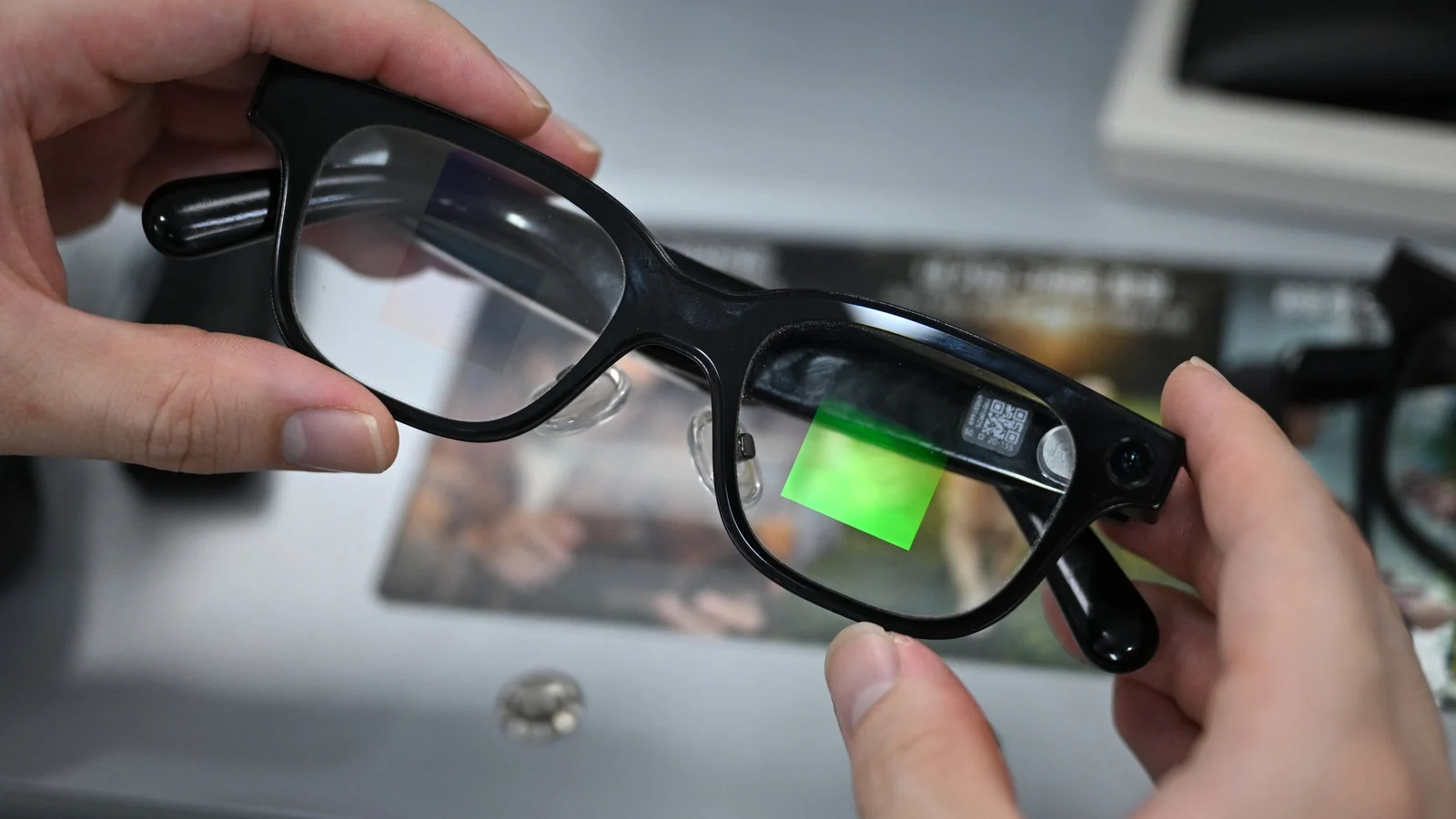
South Korea is moving to crack down on high-tech cheating, vowing to pursue criminal complaints against students who use smart glasses to gain an advantage on the country’s pivotal university entrance exam, a government official said.
Sales of smart glasses – wearable devices that let users take photos and videos and interact with an AI assistant, among other functions – have been climbing worldwide.
As the technology spreads, so do concerns. Critics have warned about people being recorded without permission, and education authorities are increasingly confronting the devices’ potential role in exam fraud.
In South Korea, the issue strikes at the heart of the notoriously demanding college entrance exam, known as the “Suneung”, which plays an outsized role in admission to elite universities and is widely seen as a pathway to economic security and even a good marriage.
“The ministry will seek criminal charges against students caught cheating with smart glasses” in the future, Lee Joon-hyuk, an education ministry official, told AFP.
Students wait for the start of the annual college entrance exam, known locally as Suneung, in Seoul last November
Authorities also plan to stiffen administrative penalties: students caught cheating with smart glasses would be barred from retaking the exam for three years, up from the current one-year restriction.
Even so, the tougher rules are unlikely to be in place for next month’s college entrance tests, Mr Lee said.
“With only about 20 days left until the exam, it would be realistically difficult to amend the law before then. However, we plan to push for the changes to take effect from next year’s exam,” he said.
The announcement follows a recent case in Seoul in which three students were found wearing or carrying smart glasses during institution-administered essay exams at universities.
Schools elsewhere have faced similar challenges. Over the summer, the prestigious National Taiwan University reportedly disqualified an entrance exam candidate for cheating using AI smart glasses.
New anti-cheating steps from Seoul’s education ministry, announced yesterday, include assigning a “designated staff member” at each examination centre tasked with spotting suspicious eyewear.
The stakes surrounding the Suneung are so high that, on exam day, South Korea imposes a 35-minute nationwide ban on flights during the English listening test – except in emergencies – while banks and public offices instruct employees to begin work an hour later to ease traffic.
That intense pressure, a hallmark of South Korea’s ultra-competitive education system, has been partly blamed for teenage depression and suicide rates that rank among the highest in the world.