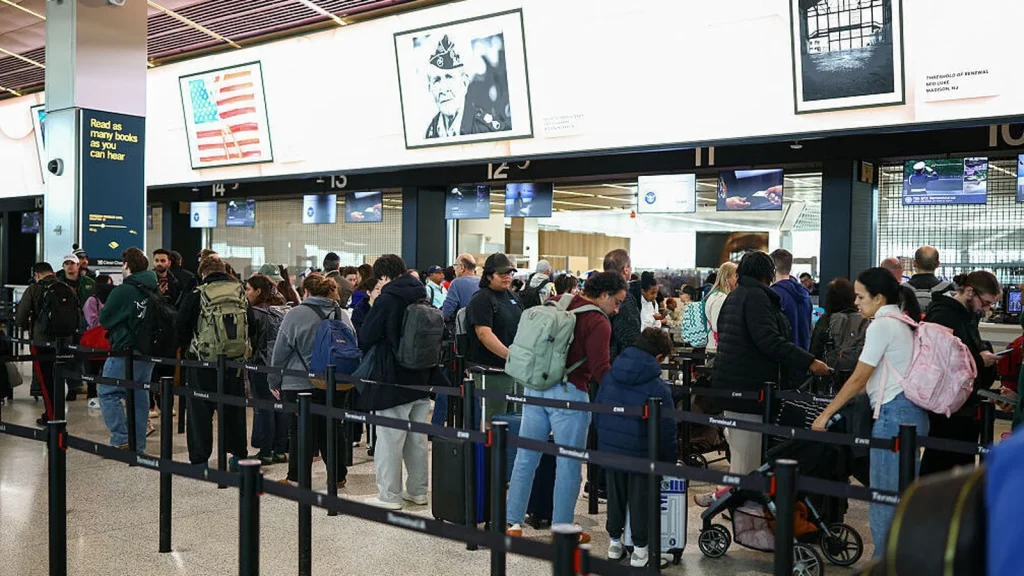
EU countries present Rwanda agreement to create migrant return center hub
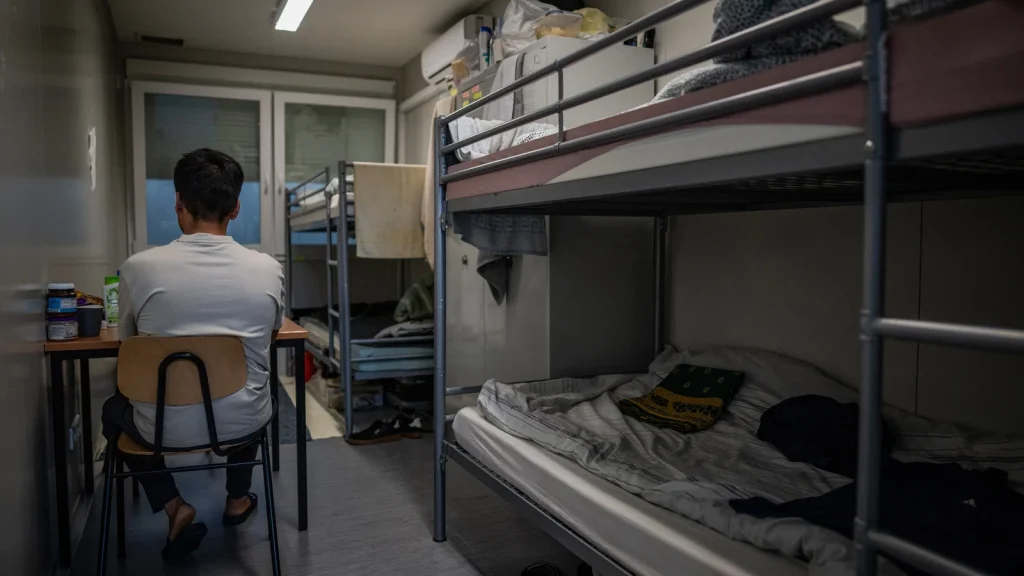 Caalamka
Europe’s latest bid to accelerate deportations is set to reach far beyond its borders: five EU countries, including Germany, Austria and Denmark, have agreed to set up a migrant deportation centre in Rwanda, the first such facility located outside the bloc.
The plan — which has already sparked criticism from human rights groups — was announced at a press conference in Vienna. Austrian Chancellor Christian Stocker said the coalition intends to “open the first return centre in Rwanda in 2027”.
Also part of the group are Greece and the Netherlands. Together, the five governments have been campaigning for what they describe as a “return-hub”, a push that gained momentum after the European Union recently tightened migration rules and created new legal pathways for removals.
Rwanda confirmed in August that it had entered “preliminary discussions” with several European states.
Before the public announcement, ministers from the five countries met for a “working session” at the interior ministry in Vienna.
Minister for Justice Jim O’Callaghan addressed the Vienna event.
He said that “Ireland has shown its commitment to a common EU-wide solution to migration through opting in to the EU Migration and Asylum Pact” and that “Ireland considers that any proposed use of returns hubs must be sustainable, cost-effective and carried out in accordance with fundamental rights.”
In a separate statement, the Department of Justice stressed that return hubs under Article 14 of the Returns Regulation are optional, not compulsory, and that each member state will decide whether to pursue an arrangement with a third country.
The statement said that “consideration of Ireland’s participation in the measure by way of an opt-in under Protocol 19 is ongoing and any such opt-in will be subject to approval by the Houses of the Oireachtas”.
The agreement unveiled on Tuesday follows an EU drive launched in 2024 to increase the number of deportations.
Over the past three years, migrant arrivals have steadily fallen, as the bloc has sought to limit departures through agreements with countries across Africa and the Middle East.
Even so, migration has remained one of Europe’s most divisive political issues, helping fuel far-right electoral gains across the bloc.
EU policymakers have increasingly focused on the returns system, where fewer than 30% of people ordered to leave the bloc are ultimately sent back to their country of origin.
Earlier this year, the EU approved reforms that expand detention powers for authorities and permit the creation of return hubs.
Supporters argue these centres — intended either as final destinations or as transit points for those expelled — could streamline repatriations while discouraging irregular migration.
Opponents, however, question whether the model will deliver results. They point to the obstacles encountered by similar initiatives and warn that such sites could become “legal black holes”, leaving migrants stuck in prolonged uncertainty with limited oversight.
Rwanda’s selection has further intensified scrutiny. Human Rights Watch cited the country’s “well-established record of repression of dissent, arbitrary detention, ill-treatment in detention” and its support for an armed anti-government group in the neighbouring Democratic Republic of Congo.
“Paying Kigali to host a deportation programme would not only cause suffering and harm to those deported, it would finance and provide political leverage to a government responsible for serious human rights abuses at home and abroad,” said the group’s senior Africa researcher, Clementine de Montjoye.
In 2022, Rwanda struck a comparable agreement with Britain to accept irregular migrants before their asylum claims were assessed, but that deal was later abandoned by the government.
Rwanda is also among several African countries that have received migrants from the United States under a similar and contested immigration scheme promoted by President Donald Trump.
Unlike the shelved British plan, the EU proposal would involve transferring rejected asylum-seekers to the African country.
UK Prime Minister Andy Burnham said last week that Britain was watching the EU’s return-hub plans “with interest” as it considers its own “next steps” aimed at curbing illegal migration.
Diplomatic sources say the Rwanda hub would begin as a pilot project for about 100 people, with each of the five participating countries potentially sending around 20 migrants.
One source said the site would not function as a detention facility. Kigali is said to prefer the term “welcome centre”, highlighting that some migrants could be offered the option to remain and work in Rwanda.
The United Nations’ International Organization for Migration (IOM) could provide support in a limited capacity.
“IOM has a long history of providing assistance to migrants in situations of transit, including in complex contexts,” an IOM spokesperson said, adding the agency was in discussions with some EU countries “on plans for the establishment of return hubs or similar mechanisms”.