Cambridge Dictionary Names “Human” as Its Word of the Year
 Caalamka
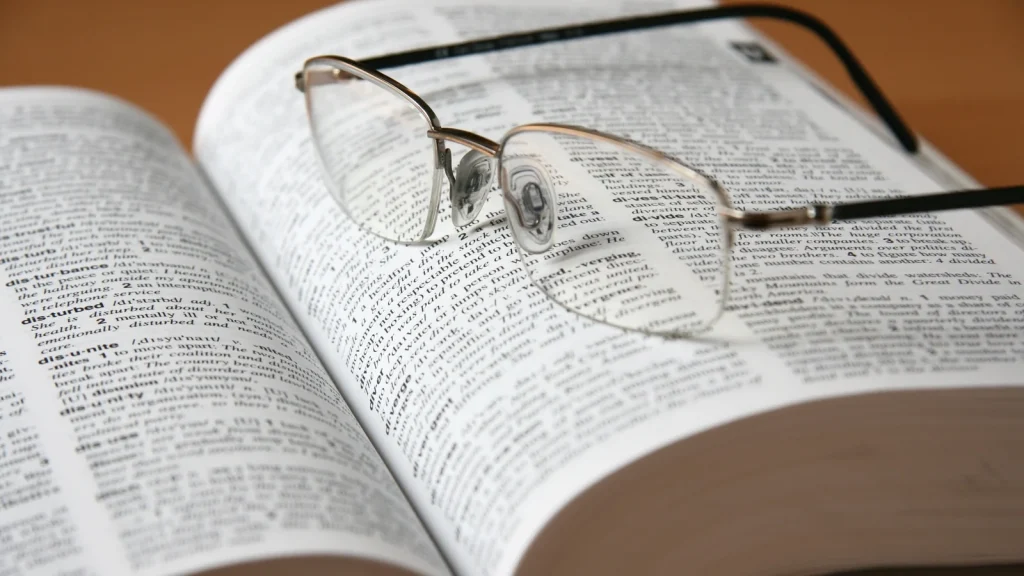
As artificial intelligence accelerates and anxieties mount about what machines might mean for everyday life, one familiar term has taken on fresh urgency: “Human” has been named Cambridge Dictionary’s Word of the Year.
“Human”, meaning to have the “qualities, faults and feelings that people have, as opposed to gods, animals, or machines” was chosen because it encapsulated “the 2026 zeitgeist”, according to Francesca Woodward, a Cambridge University Press board member.
Woodward said the past 12 months had pushed many people to examine identity and personhood anew, with particular concern focused on AI potentially taking over jobs.
“I think people are trying to remind themselves of … what human means,” she said.
In the selection process, “human” emerged ahead of other technology-linked contenders, a result Woodward said mirrors widespread interest in how the digital world — and AI in particular — is reshaping work, culture and daily routines.
Cambridge Dictionary’s lexicographers also noted that the term has been appearing more frequently as part of compound phrases, including human-made and human author, she added.
Tom McClelland, a philosopher of science at the University of Cambridge, called “human” a “really interesting choice … because right now our understanding of humanity is changing”.
Global debate over AI
As AI systems become more capable, McClelland said, the conversation increasingly turns to basic distinctions: “We’re trying to understand the difference between a human mind and an artificial mind, between living beings like us and artificial beings that we’re creating. What sets us apart, is it consciousness, creativity or compassion?”
That search for a definition has spilled well beyond academia, with global leaders and prominent figures — including Pope Leo XIV, Bill Gates, classicist Mary Beard and actor Cate Blanchett — weighing in on what it means to be human in an age of intelligent machines.
Other contenders for the word of the year crown included “agent, meaning an artificial intelligence system that can operate in a complicated way without human control.
Also shortlisted was “wholesome”, defined as “good for you, and likely to improve your life either physically, morally, or emotionally”.
“Dusking” was another option, describing the practice of watching daylight fade into darkness as a way to unwind.
A Dutch tradition, it has been revived by some as a way of reconnecting with the natural world.
Cambridge Dictionary also added a slate of new terms in 2026, including “aura farming”, meaning doing things to project a personality that people will admire, and “looksmaxing”, described as making yourself as physically attractive as possible.
The word of the year and new additions are selected using a range of criteria including the words searched for on the Cambridge Dictionary website.
Looking ahead, Cambridge Dictionary said words to watch for next year include FOBO, “fear of becoming obsolete” because your job can be performed by AI.
Another term on its radar is “weather whiplash”, denoting a “quick change from one extreme of weather to another”.
Last year’s word of the year was “parasocial” to describe the sense of having a connection to a famous person you do not know personally or a fictional character.