UK and EU near reset deal, but key disagreements remain
 Caalamka
Ten years after the Brexit vote, Britain and the European Union are poised to unveil a fresh attempt at repairing their economic and social links — a reset that promises practical gains on food trade and youth mobility, while still laying bare the unresolved tensions that continue to shape the relationship.
With the rancour of the divorce increasingly replaced by pragmatism, both sides have come to see the value of closer cooperation as the global order has been jolted by Russia’s full-scale invasion of Ukraine, US tariffs, Chinese control of critical minerals and war in Iran.
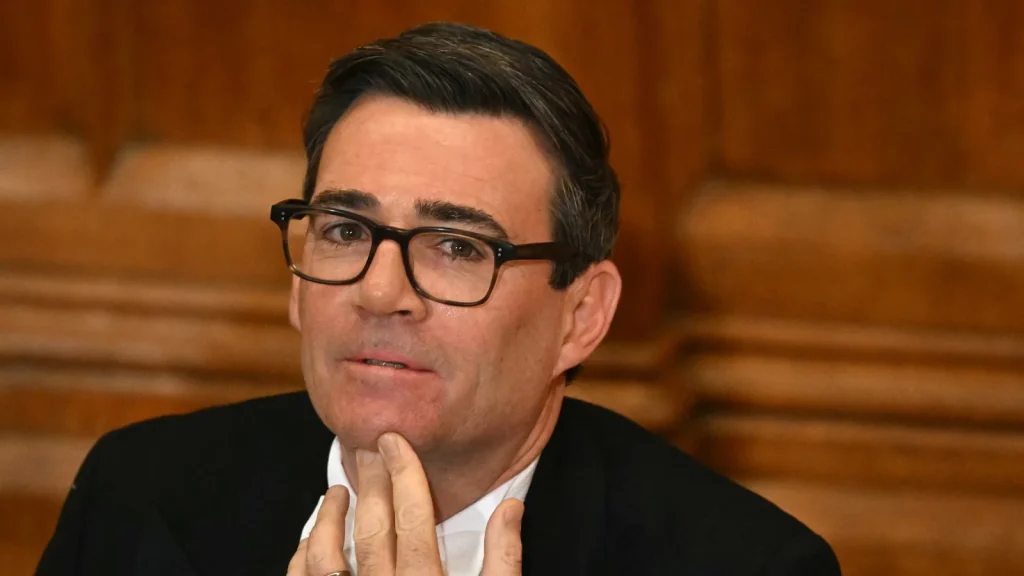
British Prime Minister Andy Burnham has said the country should look again at its long-term options with the European Union, including the possibility of rejoining the bloc.
Speaking on Monday, Burnham called it the “obvious truth” that Britain had ended up losing more than it had gained from Brexit.
Now, at a summit that was pushed back from July after Burnham’s predecessor Keir Starmer resigned, negotiators on both sides are looking to claw back some of those losses through a targeted package of agreements.
The centrepiece would streamline cross-border trade in animals, plants and related products — from sausages to seeds — removing the certificates and checks that currently apply. Britain has estimated the change could be worth as much as £5.1 billion (€6.09bn) a year to the economy.
Andy Burnham has said Britain should consider options for its future relationship with the European Union
Another deal would connect Britain’s emissions trading system with the EU’s, a move that would spare British and EU exports — including goods such as steel — from facing one another’s carbon border levies.
Officials are also preparing an agreement that would let young people from each side work or study for up to three years. But the politics here remain more sensitive: mindful that immigration helped drive the Brexit vote, Britain initially suggested a 50,000 cap, while the EU argued for a larger number.
EU diplomats said the sides have since converged on 100,000.
Divergence of university fees
Disagreements have also extended to university tuition. EU countries want their students to qualify for “home fees” at British universities rather than paying international rates, which are typically around three times higher. Britain has favoured offering only “significantly reduced” fees.
Negotiators are now working toward settling that issue within six months.
Behind the technical talks sits a familiar political fault line: whether Britain should accept EU rules — a particularly charged question for Brexit supporters.
Among London’s priorities is securing special status under the EU’s “Made in Europe” rules, especially for cars.
The EU has signalled it could agree, but only if Britain aligns with EU policies — a condition that could require Britain to impose tariffs on Chinese electric vehicles.
A draft joint statement reflected the strain, containing clashing language from the UK and the EU on how far economic coordination should go.
Read more: Burnham warns he is prepared to walk away from EU Brexit deal