A shipment, a recall and a country’s heartbeat: what the Brazilian beef scare reveals about trade, health and trust
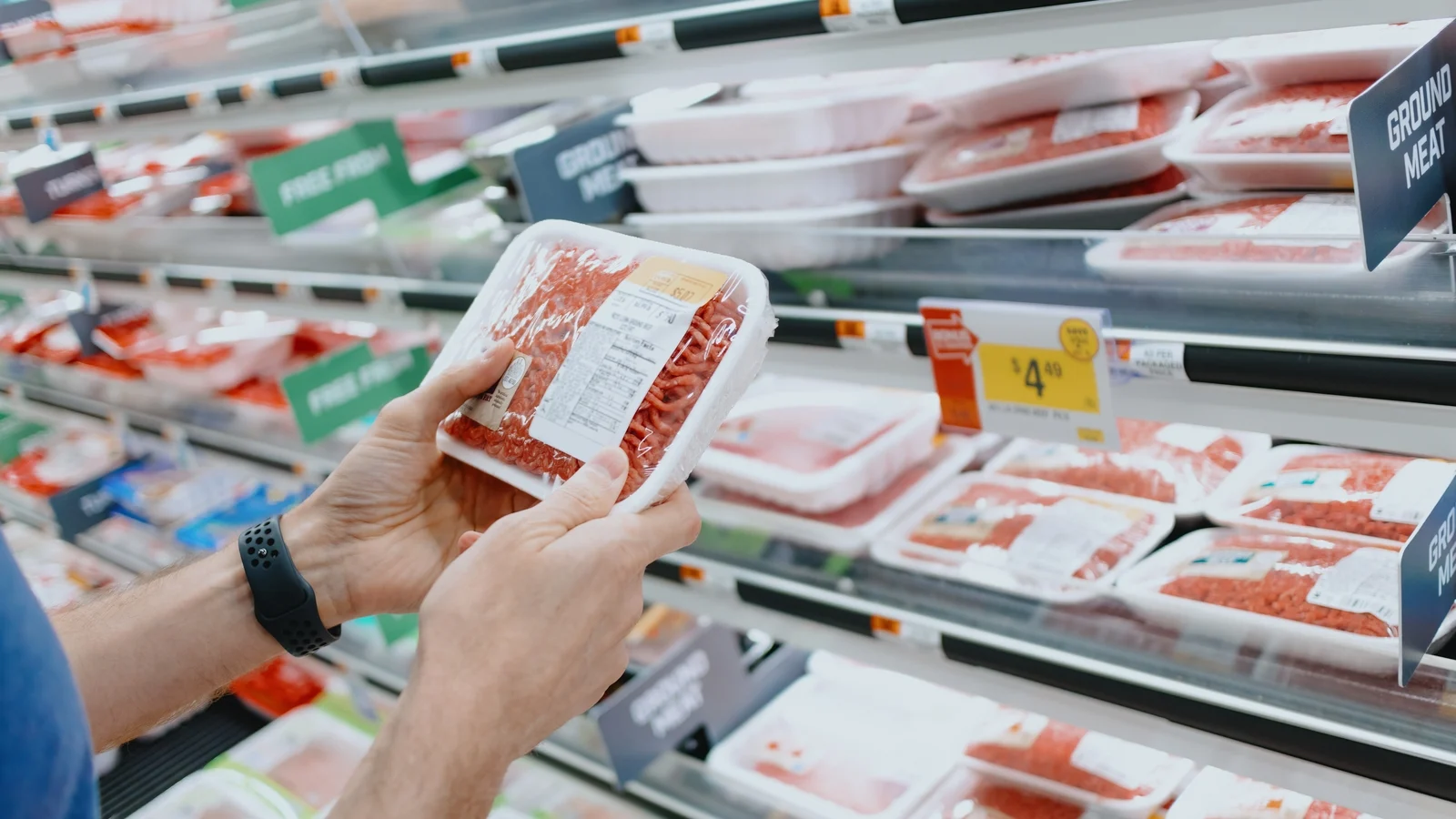
It began with a routine scan through a cold chain and ended up reverberating through farms, kitchens and parliamentary corridors across Europe. Earlier this month, consignments of frozen beef from Brazil were flagged by European authorities after tests detected hormone residues that are banned in the EU. Supermarket shelves were emptied in a dozen countries; consumers were left with questions; farmers, furious, demanded answers. And in Ireland — where meat is not just an industry but an identity — the story took on a particular heat.
The recall that woke up a continent
Austria, Belgium, Cyprus, Croatia, the Czech Republic, Germany, Greece, Italy, the Netherlands and Slovakia all reported withdrawals or recalls. The United Kingdom — including Northern Ireland — also pulled affected products. The European Commission says the shipments came in earlier this month. Details are still being clarified, but the headline is simple and alarming: a banned growth-promoting substance found in meat that has already crossed oceans and borders.
“If any product that ends up on Irish plates may contain substances we outlaw for public health reasons, that’s not just a compliance question — it’s an emergency of trust,” said a representative of a national farmers’ group I spoke with in a rain-dampened yard in County Mayo. He asked not to be named; his hands still bore the smell of silage and diesel.
Farmers fear competition — and contamination
On country roads and in village pubs across rural Ireland, the recall resonated like a bell. For years, Irish farmers have argued that the Mercosur trade deal—an agreement under negotiation between the EU and the South American bloc of Argentina, Brazil, Paraguay and Uruguay—threatens prices and livelihoods by opening the EU market to cheaper meat.
“It’s not just the price,” said Maeve Ní Dhúill, who runs a small dairy and beef farm near Killarney. “It’s the principle. We invest in traceability, veterinary records, animal welfare. We take pride in that. If cheaper meat, produced under different rules, floods the market and then comes with health questions, who bears the cost? The farmer does. The consumer does.”
For context, the proposed Mercosur beef tariff quota would allow up to 99,000 tonnes of beef to enter the EU at a reduced tariff (reportedly around 7.5%). For poultry the figure discussed has been as high as 180,000 tonnes. These numbers may sound technical, but for a small island economy with a strong beef and dairy sector, they translate into real anxieties about incomes and markets.
Politics on the pitch: who says what?
The recall landed at an awkward time politically. Calls grew for clarity from Ireland’s leaders. “We need the Tánaiste and our party leaders to spell out where they stand — now,” a union official told me in Dublin. “This isn’t abstract. This is our food, our farms, our children’s lunches.”
Not everybody sees the moment in apocalyptic terms. “Mercosur isn’t solely about beef,” said an MEP with links to Ireland’s centre-right who believes trade can broaden opportunities. “These are economies of 250–270 million people. There are sectors — pharmaceuticals, machinery, medical devices, dairy — that stand to gain from deeper access. Trade deals have winners and losers; the job is to manage both.”
That tension — protection of sensitive domestic sectors versus the promise of export growth — is the political drumbeat of this debate. It crosses party lines and stirs public emotion. In local cafes I visited, people spoke of pride in Irish standards and unease about invisible risks: antibiotic resistance, hormone residues, and a perceived erosion of regulatory certainty.
Science, safety and gaps in oversight
Public health specialists point out two overlapping issues: the immediate risk of banned substances entering the food chain, and the long-term erosion of confidence in supply chain controls. “The European Union’s rules on growth promoters are strict for good reasons,” said Dr. Aoife Brennan, a food safety scientist at a university in Cork. “When those rules are breached it raises two questions: how did it get through the pre-export checks, and is our detection and recall infrastructure fast enough to protect consumers?”
Dr. Brennan noted that no food system is flawless. “Inspection regimes rely on sampling, documentation and on-the-ground traceability. If any one of those pillars fails, contamination can slip through. The fact that these consignments were identified and recalled is evidence our system can act. The fact that they entered at all suggests the system is imperfect.”
Local color: markets, pubs and the smell of stews
Walk into any Irish market and you’ll see posters of cattle breeds, families trading recipes, and butchers who can name the field a cut came from. “We like to know where our meat comes from,” said Seán, a third-generation butcher in Limerick. “Customers ask me if the beef was raised in clean pastures, if it was fed properly. That’s part of the trust we sell.”
That trust is not only economic. It’s cultural. Roasts for Sunday dinner, stews shared at funerals, and the bargaining of calves at mart—all are threaded through generations. For many, the Mercosur debate thus feels like something that could alter more than ledgers: it could reshape a way of life.
What’s at stake beyond the steak
Ask yourself: do you want a world in which standards are lowered to win market share, or one in which trade is accompanied by enforceable standards and transparency? This is the moral and political question underpinning the row.
Environmentalists add another layer. Deforestation in parts of South America, linked to cattle ranching, has been a long-standing worry. “A trade deal that increases demand for beef without binding environmental and social clauses risks encouraging practices at odds with EU climate goals,” said an adviser from a European environmental NGO.
Where do we go from here?
The immediate step is clear: tighten controls, review how consignments were cleared, and ensure swift recalls when problems are identified. Politically, negotiators must reconcile two truths: trade can lift industries, but it cannot be at the cost of public health or fair competition.
For farmers, the fix will require more than reassurances. “Words won’t fill a bank account,” one farmer in County Cork told me. “We need measurable protections: enforceable quotas, stronger on-site checks in export countries, and penalties that stick.”
Questions to ponder
- How can importing and exporting countries build mutual trust without sacrificing consumer safety?
- Should food products be carved out of broader trade deals if risk profiles differ so sharply?
- And finally: what price are we willing to pay for cheaper food if it erodes the standards many of us take for granted?
The recall of Brazilian beef is more than a supply-chain hiccup. It is a live demonstration of the frictions that arise when global trade rubs against local norms, public health and environmental concerns. It has set politicians, farmers and food-safety experts against one another in a debate that will shape policy and plates for years to come.
Whatever your view of trade deals, take a moment next time you sit down to a meal: consider the journey your food made to get there. Behind every steak, every carton of milk, there is a chain of decisions — political, economic and ethical. The present controversy asks us to scrutinize those choices with urgency and care.