Japa, Japada and the Long Return: Stories of Leaving, Living and Coming Home to Nigeria
There is a word that keeps surfacing in conversations from Dublin to Lagos: Japa. In Yoruba slang it means to run away, to leave — a shorthand for a tidal wave of young Nigerians seeking greener pastures abroad. Its counterpart, Japada, whispers of the other movement: those who come back, bringing new skills, new networks, and the possibility of change. In this second part of a series, I followed a handful of returnees to understand what “coming home” actually looks like in a country of music, markets and maddening traffic; a place where the stakes for leaving and returning are intensely personal.
A small girl in Tipperary
When Adenike Adekunle was seven she landed in Ireland with her mother. “I remember the quiet, the rain and being probably the only black child in class,” she told me, voice soft as she folded her memories. “We lived in direct provision at first – long lines, the same grey corridor, but people were kind in their way.”
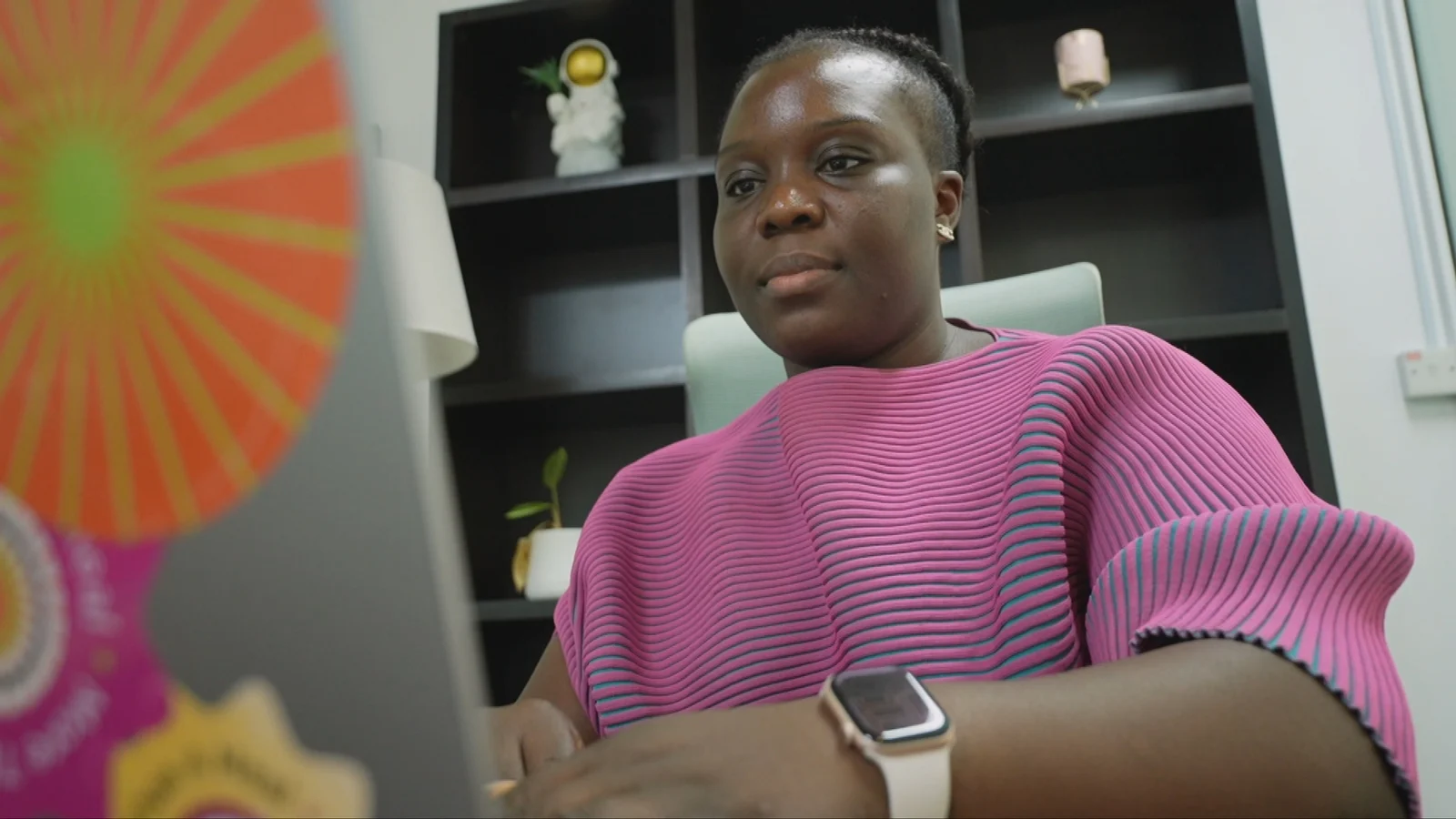
Now 31, Adenike’s life reads like a modern migration fable. School in Tipperary. University at what was then NUI Galway. A stint in the UK where she ran a small but beloved London restaurant. And finally, a return to Lagos, where she has swapped damp green hills for humidity, traffic and noise — and launched Forti Foods, a start-up rolling out contemporary Nigerian flavours to a market hungry for both nostalgia and innovation.
“Education changed my language — not just English, but the way I see and describe the world,” she said. “There was confidence that came with studying abroad. That has been huge for me as an entrepreneur here.”
Her restaurant in London gave her a taste of both success and frustration. “You can do well abroad,” Adenike reflected, “but sometimes the space to make a really visible impact is limited — you’re one of many. Back here, a small idea can ripple.”
Why leave? Why return?
People leave for a tangle of reasons. For some it’s economic: jobs, stability, the allure of social services and visa pathways. For others it’s protection — escaping violence, family pressures or traditional obligations. “You can’t reduce migration to one motive,” one social researcher told me. “It’s an emotional, economic and social calculus.”
Nigeria, with a population of more than 200 million and a median age that barely scratches 18, produces vast amounts of ambition. Young people talk openly about opportunities and ceilings. “There are many parts of my diaspora circle who say, ‘I could do more back home,’” Adenike said. “But they also need security, predictable power, access to health and schools. It’s not just a feeling — it’s infrastructure.”
Brains on the move — and the cost
There is a shorthand that economists and policymakers use: brain drain. The most mobile — and often the most educated — are the ones who can afford to leave. Hospitals, universities and tech hubs notice the hollowing out. “When nurses, engineers and lecturers leave, you feel it,” said a Lagos-based health policy expert. “Short-term gaps form in critical services.”
Yet the story is not only of loss. Remittances sent home by expatriates bolster household budgets, pay for education and stabilize economies. Last year, Nigerians abroad sent an estimated $19 billion back home — a lifeline for many families and a major entry on Nigeria’s economic ledger.
Dr. Chinyere Almona, CEO of the Lagos Chamber of Commerce, describes Japa as a challenge and an opportunity. “We do lose people with skills we need,” she told me. “But our diaspora is a global network. They are investors, mentors and clients if we can connect with them.”
She wants better conditions so fewer people feel forced to leave. “Policy matters. Infrastructure matters. When you make it possible to live a dignified life, people will choose to stay or return.”
Stories of Japada
Not all departures are permanent. The billionaire banker Jim Ovia, founder of Zenith Bank, is among those who have long spoken publicly about returning home after studying in the United States. “The first time I came back after my studies I saw an opening — opportunity was everywhere,” he said at a public forum some years ago. “Younger Nigerians can find a playground to build if they come home with ideas and capital.”
Back in Lagos I met Olufemi, a software developer who returned from Manchester last year. “In the UK I could have had stability,” he said, pulling a wrapper off a suya stick bought at a roadside stall. “But here I’m building a fintech product aimed at people who can’t access banks. The customer is in Nigeria. The impact is visible in the day-to-day.”
For people like Adenike and Olufemi the calculation is simple: the glass ceiling abroad can be lower in some ways, but the ceiling here is more porous — you can grow into jobs that simply don’t exist in saturated Western markets.
What returning actually takes
Return isn’t a single event; it’s a negotiation. It involves transferring skills, adjusting to bureaucracy, and often a humility that comes from realising that systems back home can be maddeningly opaque.
“You don’t just bring money and degrees.” says a Lagos entrepreneur who mentors returnee start-ups. “You bring networks. You bring processes. But you also have to relearn how to operate here — to navigate logistics, power outages, customs and the informal economy.”
- Remittances and investment: Money sent home keeps families afloat and can seed businesses.
- Networks: Diaspora Nigerians bring global clients, ideas and standards back with them.
- Policy and infrastructure: The government’s response can either welcome returnees or push them away.
Culture and home
There is also culture — the pulse of Lagos: yellow danfos, dense markets, the smell of smokey peppers and freshly roasted plantain. Returnees speak of the sensory shock and the comforts. “I missed the food more than I expected,” Adenike laughed. “You can get good jollof in London, but not the one your aunt makes at 3am.”
And there is social expectation. Parents invite grandchildren, siblings expect help, community networks open doors and close them. Navigating all of that requires emotional labor as much as paperwork.
Where does this leave Nigeria — and the reader?
So what does a country do when its most restless citizens keep leaving, yet some keep coming back with tools to rebuild? The answer is neither simple nor singular. It is a mix of policy, private sector leadership and, crucially, civic imagination.
Dr. Almona suggests a practical route: “We must build partnerships with our diaspora: easier investment channels, mentorship programmes, recognition of foreign qualifications.” She points to remittances as a start — but says the bigger prize is converting that flow into sustainable investment.
And here’s a question for you, wherever you sit: what does home mean in an age of rapid mobility? For migrants and for nations, home is no longer a single point on a map. It is a set of relationships—economic, emotional, digital—that criss-cross continents. The choices people make to leave, to return, or to live in both places at once, reflect changing ideas about belonging and opportunity.
Adenike’s last thought lingered with me as we parted: “Don’t just leave forever. If you go, take the security you need, learn what you can. And when you can, bring some of that back. That’s where development begins — with people willing to come home and try.”
In the end, Japada is not merely the inverse of Japa. It is a hope — fragile, stubborn and full of friction — that people and nations can remake each other when movement is paired with intention.