A beach of light turned to night: Bondi after the shooting
There are places that feel like summer even when winter sits on the calendar. Bondi Beach is one of them — a crescent of sand where surf, sun and salt-tempered laughter gather people from across Sydney and the world. On the first night of Hanukkah, when families were lighting candles and exchanging hopes, that glow was swallowed by gunfire.
By morning the shoreline resembled a movie set left mid-scene: candles and flowers arranged on damp sand, a child’s shoe half-buried near the lifeguard tower, and a mosaic of grief — people grouped in shock, volunteers handing out blankets, paramedics talking in hushed, weary tones.
A tally of loss
Authorities now say 15 people were killed in the attack — the ages of the deceased spread from 10 to 87. Fourteen died at the scene; two others, including a 10-year-old girl, succumbed in hospital. Forty-two people were taken to hospitals across Sydney, including four children. As of the latest updates, 27 remain under medical care, with six in critical condition and others ranging from serious to stable.
- Dead: 15 (ages 10–87)
- Injured transported: 42 (including 4 children)
- People still in hospital: 27
- Critical: 6
- Police officers wounded: 2 (both serious but stable)
Police have described the event as a terrorist incident aimed at a Hanukkah celebration. They say the attack appears to have been carried out by a father and son, and that one of those assailants died at the scene.
Faces behind the numbers
Numbers can feel numbingly abstract. Names crack that shell open.
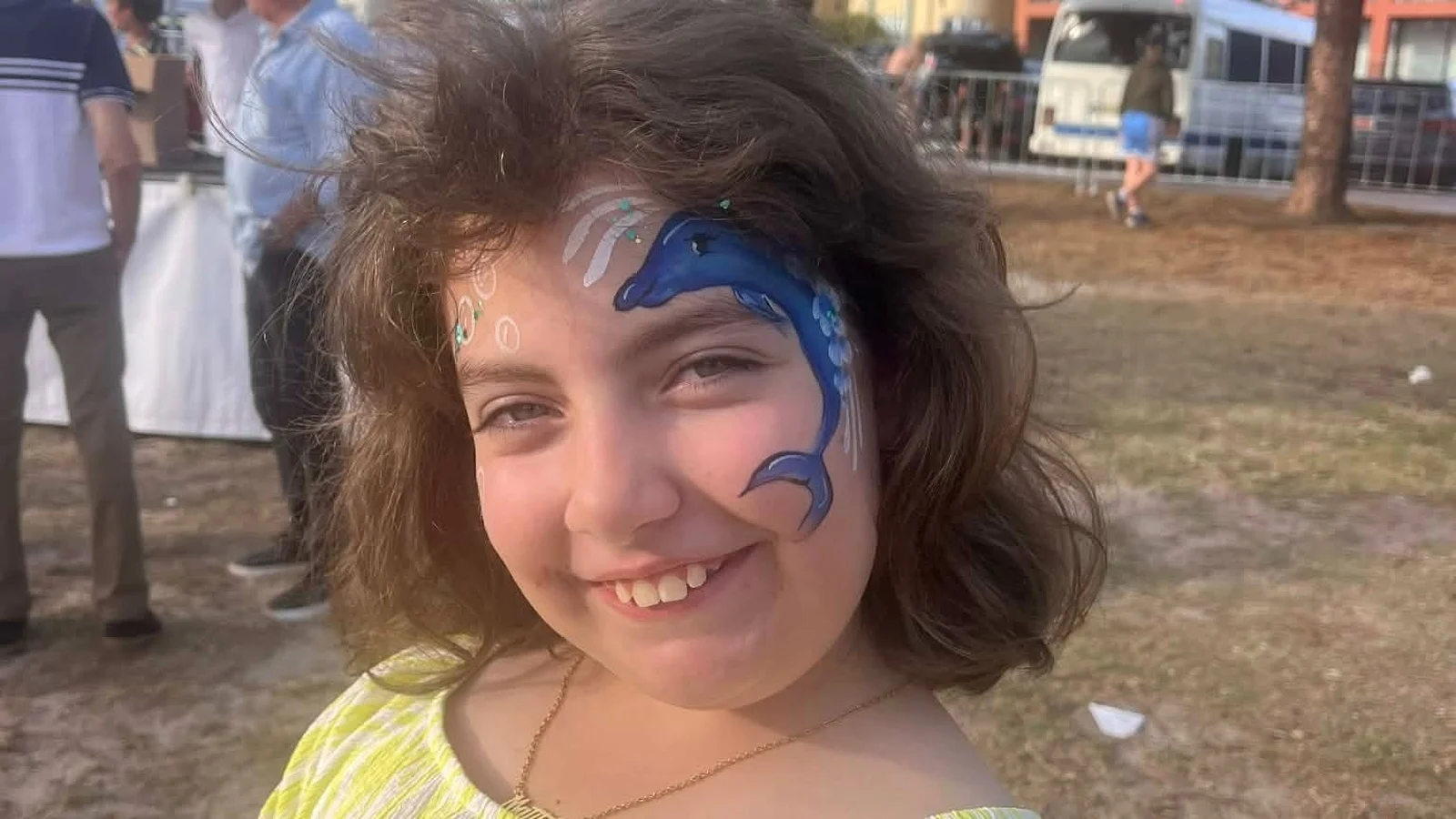
The youngest victim is being remembered simply as Matilda, a 10‑year‑old whose school — Harmony Russian School of Sydney — wrote that “her memory will remain in our hearts.” An aunt who spoke with the media described her as “a sweet, beautiful, genuine girl” and said Matilda had been at the celebration with her younger sister, who witnessed the attack and is now “devastated.” “We will never be a happy family again,” the aunt said, her voice a cut through the early light.
Among the dead was 87‑year‑old Alex Kleytman, a Holocaust survivor who, according to the international Chabad organisation, died shielding his wife. “He was Ukrainian by birth, a man who had carried the weight of history on his shoulders and still found time to love,” said one community member. “To hear this — he who lived through horrors and still chose life — to lose him like this… it’s impossible.”
Rabbi Eli Schlanger, 41, remembered by family and colleagues as joyful and tireless in service, was attending the event with his young family. “Eli was a light in the truest sense,” said a cousin who flew in from the UK. “Two months ago they celebrated the birth of their youngest child; he went to the beach because he believed joy should be contagious.”
Other victims include Slovak national Marika Pogany, 82, who volunteered with Meals on Wheels and who Slovakia’s president publicly mourned; Dan Elkayam, a 27‑year‑old French citizen and footballer building a new life in Sydney; freelance photographer and former rugby player Peter Meagher, who was reportedly taking photographs at the event; and Tibor Weitzen, a father and husband who died shielding his spouse.
Reuven Morrison, a member of the Chabad community who split his time between Melbourne and Sydney, and Rabbi Yaakov Levitan, a secretary at a local Beth Din, were also among the dead. Each name is a life that threaded into other lives — congregations, clubs, kitchens, classrooms. They carried recipes, nicknames, small kindnesses that now ripple outward in shock.
Words from the community
“We are angry, we are heartbroken, and we are resolute,” said a local Jewish community leader at a candlelit vigil. “They came to celebrate light. We will honour them by keeping that light alive.”
A volunteer from a café near the beach, who asked to be identified only as Sarah, described the scene she saw when she emerged from closing up: “People running; a kid I know just standing there with a candle he’d bought earlier. It was impossible. Bondi is where we go to breathe out — now everyone is holding their breath.”
Emergency response and questions that remain
Ambulances converged quickly, witnesses say. Lifeguards who usually patrol the breakers became stretcher-bearers; surfers pulled people from panic in the shallows. Two police officers were wounded by gunfire and are being treated in hospital. The official classification of the incident as terrorism points to motive; investigators are working to piece together how and why this place — a beach, a weekend — was chosen.
“We owe it to the victims to be thorough,” the police commissioner told reporters. “This was not just an attack on individuals; it was an attack intended to terrorise a community gathering to celebrate their faith.”
Hanukkah, symbolism and the wider context
Hanukkah celebrates the persistence of light in times of darkness — a small lamp that burned for eight days. The festival is often marked by public candle‑lighting, music, and gatherings; for many, it is a joyful act of cultural assertion. That a first‑night celebration became a target reverberates far beyond Bondi’s sand.
Experts say the attack fits an ugly global pattern: religious and ethnic communities frequently become targets in a world where political polarisation, online radicalisation and easy access to weapons can combine with catastrophic consequences. “We are seeing a disturbing trend of public, symbolic attacks intended to instil fear in communities,” said Dr. Miriam Cohen, a sociologist who studies hate crimes. “The social media echo chamber and the normalisation of extreme language help incubate violence.”
Bondi in small details: the scene after
Local color matters because it humanises. A surf cam that usually streams crashing waves now shows a little knot of people at the northern end of the beach, heads bowed. A group from a nearby synagogue began a spontaneous procession, chanting softly as they placed stones on makeshift memorials (a Jewish custom of remembering the dead). Coffee cups and croissants were set out by volunteers for first responders. A lifeguard’s whistle, usually a tool of caution, now punctuated the air in a way that sounds oddly ceremonial.
“You think of Bondi as a bright postcard,” an older man who’d lived nearby for three decades told me. “You don’t think about grief here. But grief has the same face everywhere.”
What now? For readers, for neighbours, for a city
There will be inquiries and investigations, vigils and requiems. There will also be the quiet, hard work of rebuilding: counselling for the injured and traumatised, legal processes, interfaith outreach. If you’re reading from far away, consider this an invitation rather than a spectacle: what would you do if your town, your festival, your family were targeted? How do communities balance remembrance with the need to carry on?
For those looking to help: local synagogues, community centres, and hospital foundations often organise support; in days like these, tangible aid — blood donations, volunteering time, donations to verified relief funds — matters. Attend local vigils. Keep conversations alive in your circles about protecting vulnerable communities.
At the end of the day, people will return to the beach. They will place candles, as they did before, but now each flame will hold a doubled meaning — a small, stubborn refusal to let terror extinguish communal life. “Light is what we use to remember,” said a rabbi at a makeshift shrine. “And to the light we add our hands, so that together we can hold it alight.”
That image — a city holding a candle against the wind — is what Bondi and the families of the dead, injured and scarred ask us to carry with us. In a world that sometimes feels defined by its darkest moments, what will you choose to remember?