The Year the Rules Fell Silent
There are years that hum along like a familiar song, and then there are years that sound a different tune altogether — dissonant, jagged, impossible to ignore. 2025 will be remembered by many as one of those years. Walking through capital cities from Brussels to Bangkok, you could feel it in the air: the polite assumptions that guided international life after 1945 — mutual defense, predictable alliances, shared trade rules — were fraying in real time.
Imagine a library where the great volumes of post-war diplomacy have begun to collect dust. The signatures on those pages — treaties, institutions, norms — remain, but their authority has grown thin. And, like readers leaving one by one, the Western-led order that anchored global politics for decades has simply been left with fewer defenders.
Where the Old Script Began to Unravel
What pulled at these threads? Partly it was domestic: a politics of grievance that had been simmering in industrial towns and small cities for decades. Factories moved. Paychecks got squeezed. Trust in institutions ebbed. “People started asking a simple question: what did this international order do for me?” said a former diplomat I spoke with in London. “Once that question went unanswered, the rest followed.”
At the international level the signs were unmistakable. The United Nations — born from the wreckage of world war and long the symbol of a cooperative vision — announced steep cuts in 2025, forced to trim almost a fifth of its workforce as member states clawed back funding. A UN official described the moment bluntly: “We’re in a race to bankruptcy.” For many staffers who had spent careers trying to keep humanitarian programmes afloat, the phrase felt like an elegy.
NATO, too, lay under strain. The compact that once bound North America and Europe in mutual defense was being reinterpreted and, to some, quietly cast aside. European leaders, who once took for granted the certainty of American backing, now spoke in the language of contingency. “Prepare to stand alone,” warned a senior German official in a private conversation. The public phrases were sharper: Europe’s foreign ministers made urgent shuttle trips across capitals in search of new guarantees, new partners, even a new grammar of security.
Decisions and Detonations
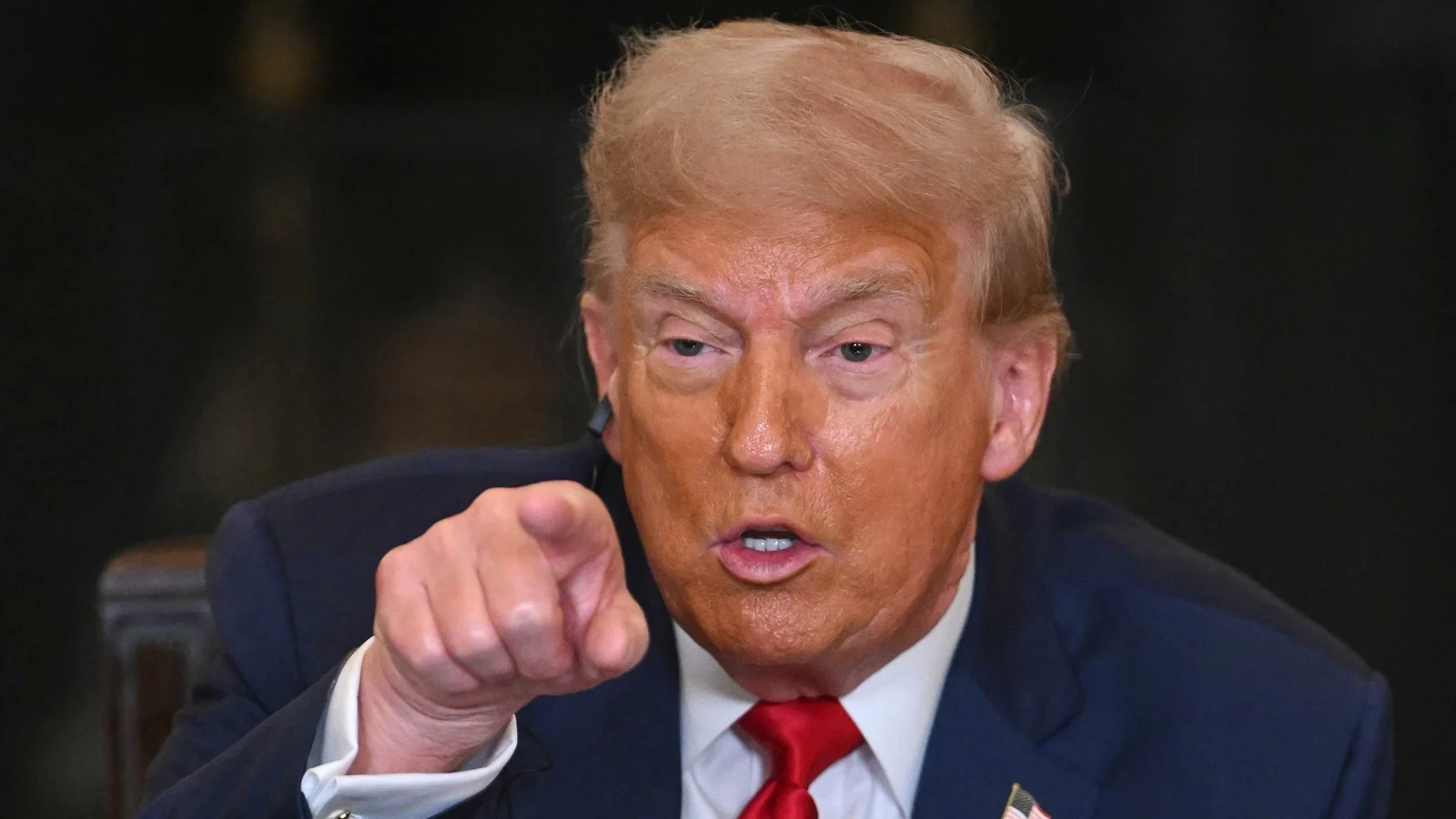
Then there were the decisions that felt like punctures. Tariffs were slapped on long-standing trading partners. Ambitious rhetoric about expanding borders — from Panama to Greenland — surfaced in bewildering public statements. Naval skirmishes in international waters made headlines, and a White House increasingly comfortable with transactional diplomacy seemed to prefer courting illiberal powers over consoling traditional allies.
A small-business owner in Ohio, who had once voted for openness and trade, told me over coffee: “My town’s been hollowed out. Policies didn’t protect us. Now politicians are telling me they’d put America first — I want to believe it means jobs, not just grandstanding.”
For Europeans, the shock was visceral. At the UN General Assembly the rhetoric turned personal: leaders were chastised openly about migration, climate policy, and “decay.” Public figures in finance piled on — Jamie Dimon, for example, called Europe into question over competitiveness, and media columns followed, wondering whether the old transatlantic compact had outlived its purpose.
Alliances Reframed, Values Recast
What worries many is less the collapse of a set of institutions than the erosion of the values they championed. Human rights, the inviolability of borders, and the idea that the global arena could be governed by rules rather than brute force — these were centuries in the making. Now they are being reframed, challenged, and in some corners, openly rejected.
Beijing and Moscow, long uneasy partners, tightened an axis of convenience in 2025. In a frank exchange, a senior Chinese diplomat told his European counterpart that China “cannot afford” for Russia to falter in its contest with the West — a statement that made many in Brussels wince. Inside international forums, Beijing has pushed a narrative that prioritizes state sovereignty and development over what it calls “Western universals” like individual civil liberties.
At the same time, inside the United States a campaign to strip diversity, equity and inclusion programs from federal institutions and allied organizations created friction with the UN’s human-rights agenda. That clash, seemingly technical to some, struck at the core of what international cooperation had been trying to do for decades: build shared norms around dignity, equality and protection.
Voices from the Ground
“We used to assume the West spoke with one voice,” said an EU diplomat who preferred not to be named. “Now we see different agendas even among allies. It’s not just policy — it’s identity.”
“My family remembers when NATO feel like a promise you could write a cheque on,” said a teacher in Warsaw. “Now the cheque has been returned with a note: ‘Use at your own risk.'”
How Did We Get Here?
Historians remind us that systems crack long before they collapse. The post-1989 moment — when the Iron Curtain fell and many believed “the end of history” had arrived — sowed hubris. Globalization brought incredible growth and lifted millions from poverty, but it also hollowed out communities and concentrated wealth. Policymakers often prioritized capital mobility and corporate interests over working-class stability, and those decisions have political consequences.
“There is a sense of dislocation that didn’t appear overnight,” said an academic specializing in trade and labor. “When domestic policies ignore the social cost of openness, the political backlash is inevitable.”
And when leaders answer that backlash with blunt nationalistic remedies — tariffs, tightened borders, military posturing — the international web that had evolved over decades may not be able to absorb the shock.
So What Comes Next?
There are three broad possibilities, and none are tidy. First, a more fractured world in which regional blocs operate with greater autonomy — Europe hedging, Asia coalescing, the Global South forging new arrangements. Second, a return to renewed, if narrower, cooperation built around pragmatic interests rather than lofty ideals. Or third, a world where might increasingly defines right, and the old rules become relics.
A veteran aid chief I spoke with said: “We shouldn’t mourn an imagined golden age. But we should mourn the decline of institutions that, imperfectly, saved lives and reduced suffering.” His point was simple: institutions are means, not ends, and their erosion has human consequences.
Meanwhile, scholars talk of a “multiplex” system — a patchwork of powers and norms, a world less centered on Washington and Brussels and more shaped by emerging capitals in Asia, Africa and Latin America. “It could be messier, certainly,” said a geopolitical analyst. “But it could also be more representative of a world in which power is not the monopoly of one or two blocs.”
Questions for the Reader
As you scroll through this moment from afar, what do you feel? Alarm? Relief? Something in between? Do you believe the world will reknit itself into new patterns of cooperation — or are we entering an era where the loudest nations write the rules?
There are no easy answers. But there are real lives caught in these shifts: aid budgets that dry up, soldiers on increasingly uncertain alliances, workers in towns where factories closed and never returned. If the post-war liberal order is indeed giving way, then what replaces it will be the work of policymakers and citizens alike. It will be argument, negotiation, and, crucially, the willingness to protect the vulnerable rather than scores of interests alone.
The old volumes are still on the shelf. Whether we open them with care, tear out pages, or write new chapters is up to us. The question is urgent: what kind of world do you want to wake up to tomorrow?