Midnight in an Empty Station: A New Mayor, a New Chapter for New York
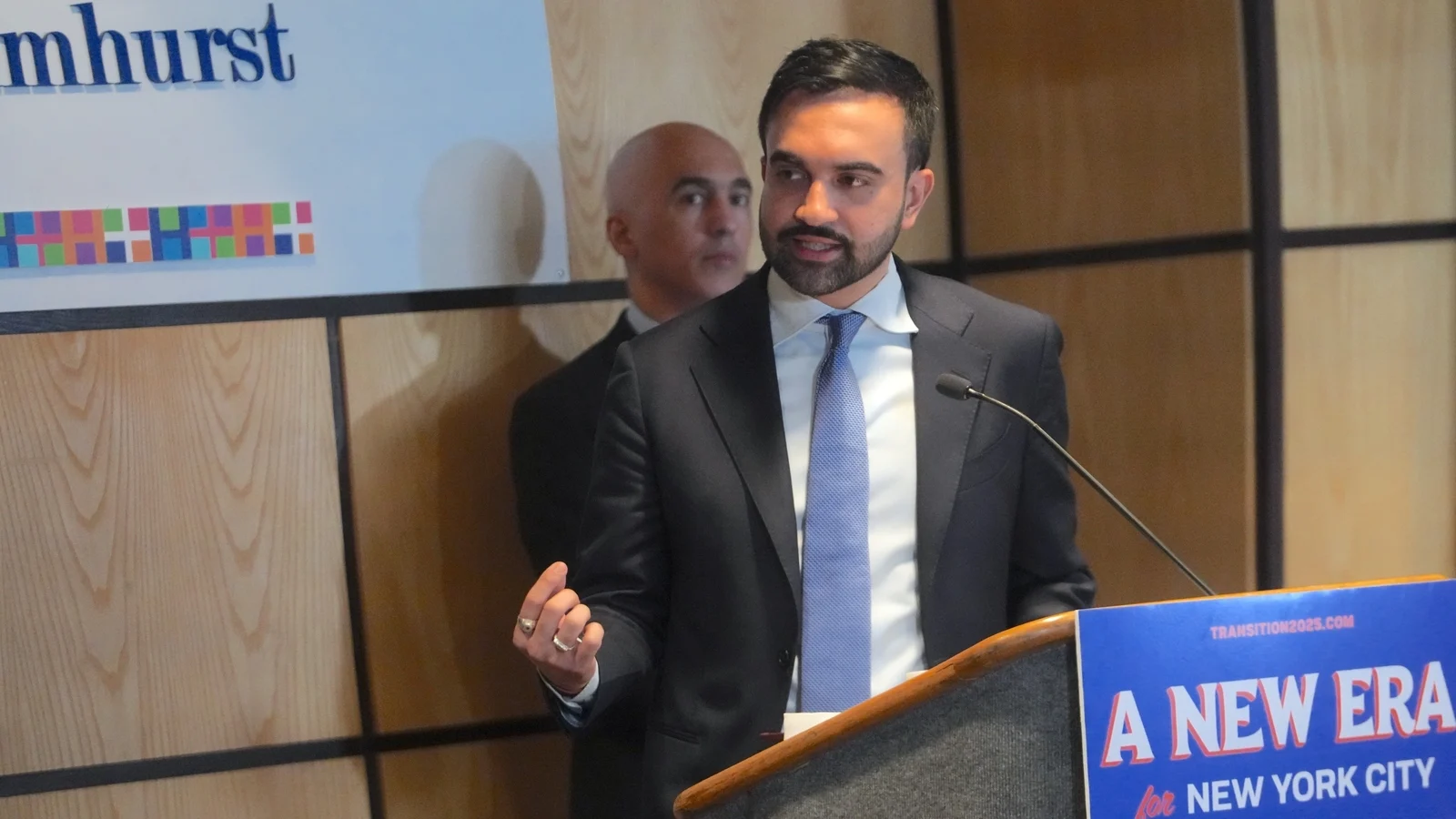
There was a hush when the clock struck midnight. Not the cinematic silence of a city that never sleeps, but the intimate, breath-held pause of people gathered beneath a trainless tunnel—an abandoned subway platform lit by salvage lamps and the glow of smartphones. Zohran Mamdani, 34, took his oath there, swearing in as New York City’s first Muslim mayor. The choice of venue—raw, unadorned, unmistakably urban—was not spectacle so much as signal.
“This is for the people who clean the platforms, bake the bread, sit two to a kitchen in Queens,” Mamdani said later, his voice still carrying the gravelly edge of someone who came up through canvassing and late-night neighborhood meetings. “If we don’t start at the places the city has forgotten, our promises won’t be worth anything.”
About 8.5 million people call this city home. It is a tapestry of languages, faiths and cuisines; a place where block parties run together down Broadway, where halal cart steam mingles with the sweet smoke of Jamaican patties. That everyday life—that constant choreography of transit, school drop-offs, and rent checks—was the audience Mamdani had in mind as he campaigned on bold, disruptive fixes: rent freezes, universal childcare and the radical idea of free public buses for all New Yorkers.
Why an Abandoned Platform?
The stage was chosen deliberately. “Symbolism only goes so far,” said Ana Rivera, a community organizer from Jackson Heights who was at the midnight ceremony. “But this—this felt honest. We live under the same city. He put it in a place where we live our lives.”
For a mayor who spent much of the campaign talking about the cost of living—about the families who are spending bigger shares of their incomes on rent and childcare—the venue was shorthand. It was a pledge to prioritize the working city over the glamour of the mayor’s mansion.
Still, practical questions hover. Mayor’s aides say security concerns required Mamdani to move into the official residence in Manhattan; he will leave behind his rent-controlled apartment in Queens, a fact that has irked some voters who saw his modest home life as a testament to his platform.
Public Promises, Private Pressure
Mamdani’s agenda reads like a manifesto for a city under financial strain. Rent freezes, an expansion of subsidized childcare, and fare-free buses would be expensive and politically combustible. New York’s transit system—the MTA—moves millions of riders daily. Any shift to free buses or widespread fare reform would have ripple effects on budgets, operations, and regional politics.
“People are hungry for change,” said Dr. Lina Ahmed, an urban policy scholar at CUNY. “But adjusting the levers of a city this big requires an extraordinary mix of municipal creativity, state cooperation and federal partnerships. It’s doable—but it’s not a simple line-item in a speech.”
Consider the numbers. Roughly one in three New Yorkers is housing-cost burdened—spending more than 30% of their income on rent—and the city’s shelter system still houses tens of thousands of people every night. These are not abstract statistics; they are the experiences of neighbors who skip medicine to pay the rent, who juggle three jobs and watch their kids grow up faster than they can breathe.
Between Washington and City Hall
If the crucible for any mayor is a mix of policy and politics, Mamdani faces an unusual set of both. His relationship with the federal government—particularly with former President Donald Trump, who remains a central political figure—already has headlines. Trump derided Mamdani during the campaign and even threatened to yank federal aid. Yet the pair sat down in November for a surprisingly cordial meeting at the White House.
“It was short, but it wasn’t a shouting match,” said Lincoln Harris, a veteran political strategist who watched the exchange. “That could be a doorway to cooperation—or the beginning of a very public feud.”
One likely flashpoint is immigration enforcement. With federal raids increasing in some parts of the country and save-the-date threats about withholding funding, Mamdani has vowed to stand with immigrant communities. That will test his relationships with federal authorities and his ability to protect residents while navigating legal and fiscal realities.
Building a Coalition—From Queens to Wall Street
Mamdani’s rise was meteoric. A year ago he was practically unknown. He came through the New York State Assembly, heaviest on ideas and light on the kind of resume older politicians brandish. To compensate, he has stocked his team with experienced aides—from former mayoral offices and even from the Biden administration—people who know budgets, blizzards and the 3 a.m. calls that keep a city functioning.
“We need bridges,” said Jacob Rosen, a small business owner on Bedford Avenue. “If he can talk to my landlord and then to a bank, he can do a lot.”
Business leaders warned of a capital exodus if Mamdani won; that claim turned into a self-fulfilling narrative in some conservative outlets. Yet many real estate analysts say an immediate mass flight of the wealthy is unlikely—New York’s economy is too complex, its ecosystems too interconnected. Instead, the mayor’s real test will be whether he can halt slow attrition: the steady, quiet departures of middle-income families priced out of neighborhoods.
Balancing Acts
Mamdani’s commitment to Palestinian rights has also stirred debate and concern in the Jewish community, particularly in a city with a large and diverse Jewish population. The resignation of a recent hire after revelations of past anti-Semitic posts underscored the delicate tightrope the mayor must walk: standing firm on human rights while actively and visibly reaffirming inclusivity and safety for all communities.
“Leadership in New York requires empathy and clarity,” said Rabbi Miriam Katz of a Brooklyn synagogue. “We welcome a mayor who protects our neighbors and also condemns hate when it appears.”
What Will Success Look Like?
Voters who elected Mamdani signed up for big thinking. But big thinking needs to be met with metrics, timetables and the gritty work of governance. How quickly can a rent freeze be implemented legally? How will childcare be funded sustainably? Can fare reforms be rolled out without crippling the MTA?
“Symbolism was the campaign,” said Elena Ramos, an NYU lecturer. “Now comes administration. If he can reduce the number of families spending half their paycheck on housing, if he can expand childcare so a parent can go to work without fear, then people will say he delivered.”
Those are high bars. But New York has a history of improbable comebacks: subway lines reopened, neighborhoods reimagined, laws changed after years of protest and policy churning. The midnight oath beneath the tiles is both vow and challenge: the city will judge him not on rhetoric but on daily, tangible changes.
In the End, This Is Our City
So what do you want from your city? Safety? Affordability? A cleaner bus? A place where your faith and food and work are not only tolerated but reflected in policy? Zohran Mamdani’s story is, in many ways, a mirror held up to New Yorkers: demanding, hopeful, and impatient for results.
Walking away from the shuttered station, the crowd dispersed into the early hours—coffee shops already wheeling up shutters, a man humming an old Brill Building tune. The block party planned for the following day promised music from every borough, speeches by allies like Senator Bernie Sanders and Representative Alexandria Ocasio-Cortez, and tens of thousands of people lining Broadway to watch a ceremony on big screens.
“We elected someone who wants to govern for us,” Rivera said, pausing on the corner as a delivery bike zipped by. “Now we see if he can keep his promises.”
What would you ask for if you could ask the mayor one question at midnight beneath an abandoned platform? The answer may determine the shape of this city’s next four years.