Dawn in Kabul: The City Wakes to Explosions
The first light in Kabul usually arrives with the thin blue smoke of coal stoves and the melodic roll of the adhan. This morning, it came with blasts—sharp, disorienting—followed by the staccato rattle of gunfire that turned neighborhoods into echoes and doorways into watchpoints.
“I thought it was a thunderstorm at first,” said Rahim, a tea-seller on a narrow street near the old city bazaar, his hands still stained with cardamom. “Then the sound kept coming, and people started running. We put out the samovar and sat in the dark.” His voice trembled between resignation and anger. “We have little left but our patience.”
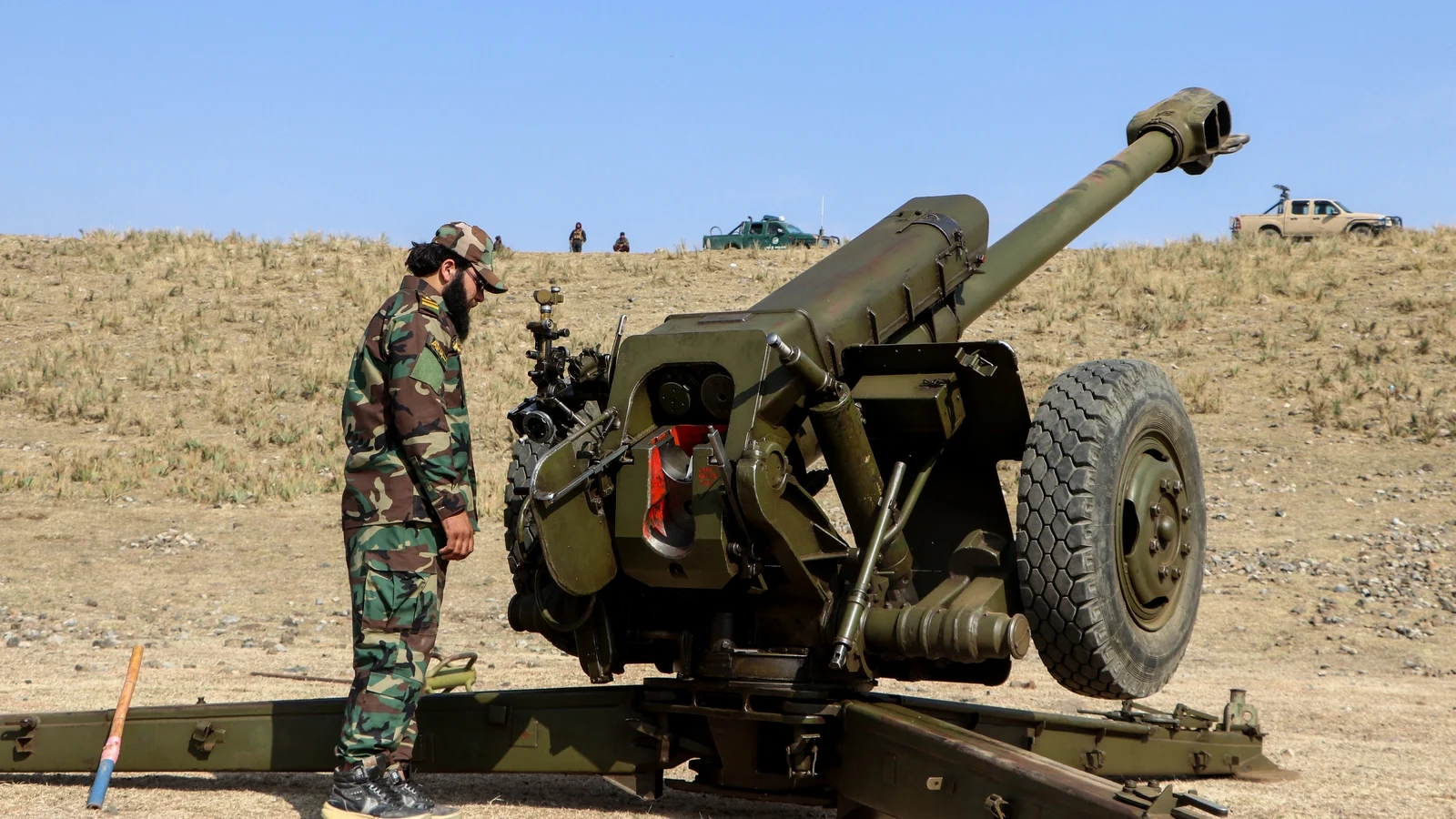
Across Kabul, residents reported similar scenes: families huddled in stairwells, shopkeepers shuttering their windows, taxi drivers idling with headlights on. Official spokespeople from the ruling authorities in Kabul described the sounds as air-defence countermeasures directed at Pakistani jets, saying Afghan forces had engaged aircraft above the capital. Islamabad, for its part, remained largely quiet in public statements, even as state media replayed footage and analysts parsed the military moves.
From Border Skirmishes to Open Confrontation
This is not a spontaneous flare-up. It is the latest chapter in an increasingly dangerous confrontation between two neighbors whose history is braided with borders that are porous and grievances that are old.
Afghanistan and Pakistan share a frontier of roughly 2,600 kilometres—mountainous, rugged and difficult to police. For decades, militants and smugglers have used that fringe landscape to slip from one side to the other. Islamabad says Tehreek-e-Taliban Pakistan (TTP) and other insurgent groups have found sanctuary inside Afghanistan and have launched attacks into Pakistan. Kabul denies it permits its territory to be used for cross-border aggression and insists that Pakistan’s security problems are primarily domestic.
Last week, Pakistan carried out strikes inside Afghan territory it said targeted militant infrastructure. Afghanistan called those strikes violations of its sovereignty and announced retaliatory operations along the border. Pakistani officials later said the campaign, dubbed “Ghazab Lil Haq”—”Wrath for the Truth”—had destroyed several outposts they blamed for harbouring militants. Both sides have traded claims about inflicted casualties, each painting the other as the aggressor.
Voices from the Ground
“When the first shell hit, a mother outside our school fainted,” recalled Nazia, an elementary teacher in a leafy Kabul neighborhood. “Children asked if the playing field would be a battlefield next. How do you explain the difference between a lesson and a siren?”
A retired Pakistani officer, speaking on condition of anonymity, said the strikes were aimed at dismantling networks responsible for attacks inside Pakistan. “We cannot allow sanctuaries to remain,” he said. “If the exterior of a house is a threat, military options become inevitable.” He added, however, that Islamabad was mindful of the international line between counterterrorism and violation of another state’s sovereignty.
For everyday Afghans, the calculus is simpler and more immediate: safety, shelter, survival. “You can argue about borders, but we are the ones living with the noise,” said Fatima, who runs a small tailor shop. “My customers are too frightened to come. Weddings are postponed. People cannot eat fear.”
Regional Ripples and Diplomatic Overtures
The clash come at a time of heightened regional instability: Israel and the United States have recently conducted strikes aimed at degrading Iranian capabilities, and Tehran, in turn, has found itself entangled in retaliatory exchanges across the Gulf. That larger confrontation has amplified concerns that local disputes—like the one between Afghanistan and Pakistan—could be inflamed by wider geopolitical currents.
International actors have rushed to urge calm. Qatar and Saudi Arabia reportedly offered to mediate. Russia, China, the European Union and the United Nations issued statements calling for restraint and dialogue. Washington said it supports Pakistan’s right to defend itself, while also underlining the importance of preventing further escalation.
Diplomacy, however, often runs against the grain of troops on the ground. “Peace talks are crucial,” said Dr. Leila Rahimi, a regional security analyst. “But where missiles and aircraft have been employed, the threshold for de‑escalation rises. Trust is eroded faster than letters across an embassy desk can be written.”
What Are the Stakes?
At the human level, the danger is displacement. Longstanding tensions could push more families to flee, adding pressure to a region already coping with climate-driven crop failures, dwindling international aid and fragile economies. The humanitarian apparatus that supported millions during previous crises remains attenuated.
At the strategic level, the conflict threatens a chain reaction. The porous Afghan‑Pakistani border is not merely a line on a map; it is a conduit for people, ideas and arms. An extended confrontation could draw in militias and foreign patrons, creating a patchwork of proxy alignments. For a world watching Iran and the Gulf, the prospect of a second front on South Asia’s doorstep is alarmingly plausible.
Numbers, Norms and the Vacuum of Authority
Geography and demography matter here: Pakistan is a nuclear-armed state of roughly 240 million people; Afghanistan is home to an estimated 40 million. The asymmetric powers, the walk of contemporary politics, and the legacy of 40 years of conflict in Afghanistan create a volatile mix. When state institutions are weak—or mutually distrusted—violence becomes a means of conversation.
Both capitals have deployed tough talk. Pakistan’s defence minister described the confrontation in stark terms; Afghanistan’s interior minister warned of a high cost if the fighting continued, noting that full-scale mobilisation had not yet occurred. These pronouncements point to political theater as much as to operational reality: leaders show resolve to domestic audiences while the region watches anxiously.
What Comes Next?
There are no easy scripts. Negotiations and back-channel diplomacy often make the difference between a contained incident and a protracted war. Mediators—regional powers and global institutions—will press for ceasefires and guarantees. But guarantees require trust, and trust is in short supply.
So what should ordinary citizens of far-off capitals ask themselves as they scroll headlines and glance at maps? Do we see conflict as a local quarrel with local solutions, or as part of a systemic failure in how borders, refugees, militancy and state security are managed globally? Do we offer aid that stabilises, or military assistance that escalates?
“We are tired of hearing about ‘strategic depth’ and ‘security imperatives’ while our roofs leak and our children cannot study,” said an aid worker in Jalalabad. “If the conversation is about geopolitics, remember it is people who pay the bill.”
Final Notes: A City Holding Its Breath
Kabul, this morning, was a city holding its breath between prayer and politics. The echoes of explosions may fade into memory, but the questions they raise will not: about sovereignty and sanctuary, about responsibility and restraint, about how a region already frayed by conflict manages one more flame.
For now, people like Rahim, Nazia and Fatima will continue their small acts of survival—making tea, teaching children, stitching clothes—while diplomats and generals trade statements. In the quiet moments between strikes, they will whisper the same human plea: keep us safe, and spare us the war we did not choose.