Seventeen Years, One Verdict: A Quiet Courtroom, a Tremor Felt Across Oceans
The courtroom smelled of old wood and rain-slick Parisian stone as people shuffled in and took their seats beneath tall windows that have seen a century of French dramas. Outside, a small group of relatives clutched umbrellas and photographs. Inside, the judge’s voice cut through the hush: Airbus and Air France were found guilty of corporate manslaughter over the 2009 flight that plunged into the mid-Atlantic, killing all 228 people aboard.
For families who have lived inside this tragedy for nearly two decades, the ruling was not a sudden clap of lightning but a slow, long-coming light. “Justice has absolutely been done,” said Daniele Lamy, president of the AF447 victims’ association and a mother who lost her son in that black hole of ocean on 1 June 2009. Her words — firm, hoarse, spent — echoed against the high ceiling. Around her, other relatives stood in a fragile, dignified silence.
The ruling and its reach
The appeals court upheld corporate manslaughter charges and imposed the maximum fine under French law: €225,000 on each company. To the companies involved — global giants with annual revenues measured in the billions — the fines may appear token. To the families, the verdict was about something larger than euros: recognition, responsibility, and a public naming of systemic failures.
Air France and Airbus both said they would take the case to France’s Court of Cassation, the country’s highest court, promising yet more legal wrangling. “We intend to exercise all legal remedies available to us,” an Air France spokesman told reporters, speaking with the measured caution of an organization that has weathered crises before. Airbus, in a terse statement, reiterated its longstanding position that the technical causes of the crash were understood and that it would seek to contest the judgment.
What happened in the dark
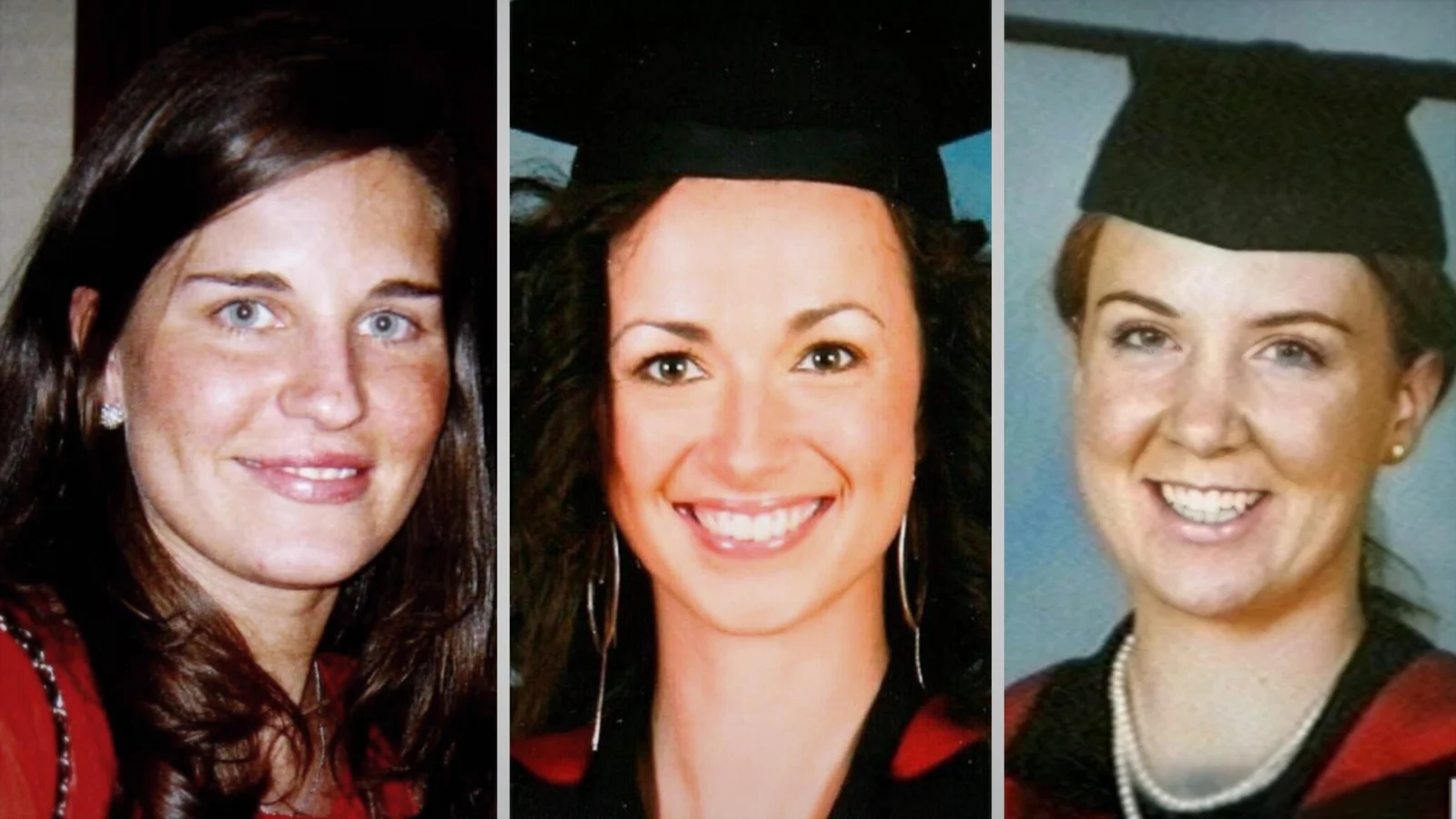
On the night of 1 June 2009, Air France Flight 447 disappeared from radar during a violent equatorial storm. The Airbus A330, carrying 228 passengers and crew — including three Irish doctors returning home from vacation — plunged into the Atlantic. The black boxes were not recovered until 2011, after a two-year, painstaking search at depths that taxed remotely operated vehicles and human patience alike.
The French civil aviation safety authority (BEA) ultimately concluded that the immediate cause was pilot error: the aircraft stalled after the crew reacted to conflicting airspeed indications caused by iced-over pitot probes. But the BEA’s technical focus did not settle the families’ questions about the broader chain of decisions, safety cultures, and corporate choices that set the stage for that night.
From pilots to processes: why prosecutors looked higher
Prosecutors pursued a different narrative. They argued that lapses inside both Airbus and Air France — failures to follow up on known sensor problems, insufficient training, and weaknesses in procedural oversight — formed a chain of negligence that reached beyond two pilots in a cockpit. “Our case has always been about systems, not scapegoats,” one prosecutor said in court. “When warning signs are ignored, accidents can become tragedies.”
To secure a manslaughter conviction, prosecutors had to demonstrate not only negligence but causation — that the corporate failings materially contributed to the disaster. That was a heavier lift and explains why a lower court acquitted both companies in 2023. This appeals court, however, read the threads differently and concluded that a corporate responsibility did indeed exist.
Faces behind the statistics
Numbers can numb. Two hundred and twenty-eight souls is a figure that can sit flat on a page. But in the courtroom that number unfurled into stories: parents, honeymooners, young doctors from County Dublin, County Down, and County Tipperary — Jane Deasy, Eithne Walls, Aisling Butler — whose names were read aloud, one after the other, like beads on a rosary.
“They weren’t just passengers,” said Mirella Santos, who lost a cousin on the flight and traveled from Recife to attend the proceedings. “They were teachers, parents, people coming home from work or a trip. Each name is a family left in pieces.” Her voice caught like a thread in a draft.
Across Brazil, memorials remain. In Rio, fishermen still point to the stretch of ocean where the plane went down; in small Irish towns, candlelit vigils are an annual ritual. These cultural touchstones — quiet crosses on a coastal bluff, a photograph pinned to a café noticeboard, a yearly Requiem at a parish church — form the human geography of a tragedy that moved across borders.
Legal marathon, emotional sprint
The courtroom drama is part of a longer legal marathon that has watched evidence revisited, expert analyses wrestled between technical and moral frames, and grief replayed in depositions and documentary evidence. Families’ lawyer Alain Jakubowicz warned that further appeals — perhaps even a retrial — could drag the matter on for years. “This is not over,” he said. “Procedural routes remain open, and we must be prepared.”
Some relatives begged the companies to stop. “There is no human, moral or legal justification in continuing this procedure,” Ms Lamy implored, pleading for an end to what she called “procedural harassment.” But corporate appeals are standard; the fight for legal closure rarely matches the families’ need for emotional resolution.
A fine line between symbolism and safety
How do you weigh a €225,000 fine against the toll of 228 lives and the multinational corporations involved? Critics say fines of that scale are hardly deterrents. “It’s a token gesture in monetary terms,” said Dr. Emiliano Rossi, an aviation safety analyst. “But convictions carry reputational weight. For regulators and engineers, this case signals that legal accountability can extend into design, training, and corporate culture.”
The ruling may not reshape regulatory views overnight. The BEA’s technical findings remain influential, and the aviation industry has moved forward with incremental safety changes since 2009. Still, the court’s focus on systemic responsibility adds a new layer to how courts may approach disasters in the era of complex supply chains and automated systems.
What does this mean for the future?
As you read this, you might ask: When something goes wrong in a complex system, who answers for it? Is it the engineer who designed a sensor, the airline that sets training standards, the regulator who certifies a plane, or the pilot in the cockpit making a split-second decision? The AF447 saga resists easy answers.
It does, however, push a broader conversation into the open — about corporate accountability, about how societies value human lives relative to corporate balance sheets, and about the moral duties of companies whose technologies and procedures touch millions of lives. We are in an era where automated systems and human operators must coexist. When they fail together, the law is being asked to follow.
What to watch next
- Whether Airbus and Air France will succeed at the Court of Cassation — and how long appeals will last.
- How regulators and the aviation industry respond publicly to a legal finding that emphasizes systemic corporate failings.
- Whether this case inspires policy changes in corporate liability law across Europe and beyond.
Seventeen years after that night, the ocean keeps its secrets. But in courtrooms, memorials, and quiet living rooms, families keep pressing for a truth larger than technical reports — a moral truth. The verdict is one step along a long road. For those who lost someone on Flight 447, it represents a fragile, hard-won recognition that their loved ones’ deaths were not simply a tragedy of fate but the outcome of choices made on land and in the boardrooms of industry.
What do you think? When accidents ripple through global systems, how should justice account for those ripples? This ruling won’t answer everything, but it demands we keep asking.