At sea with a flotilla: a video, a taunt, and a global outcry
The wind off the eastern Mediterranean smelled of diesel and damp cardboard, the kind of salt air that presses against your teeth and leaves you feeling raw-eyed. On the deck of a small vessel leaving southern Turkey this week, volunteers stacked boxes of powdered milk, tins of legumes and blankets—tiny, tangible promises to people in Gaza who have known scarcity for far too long.
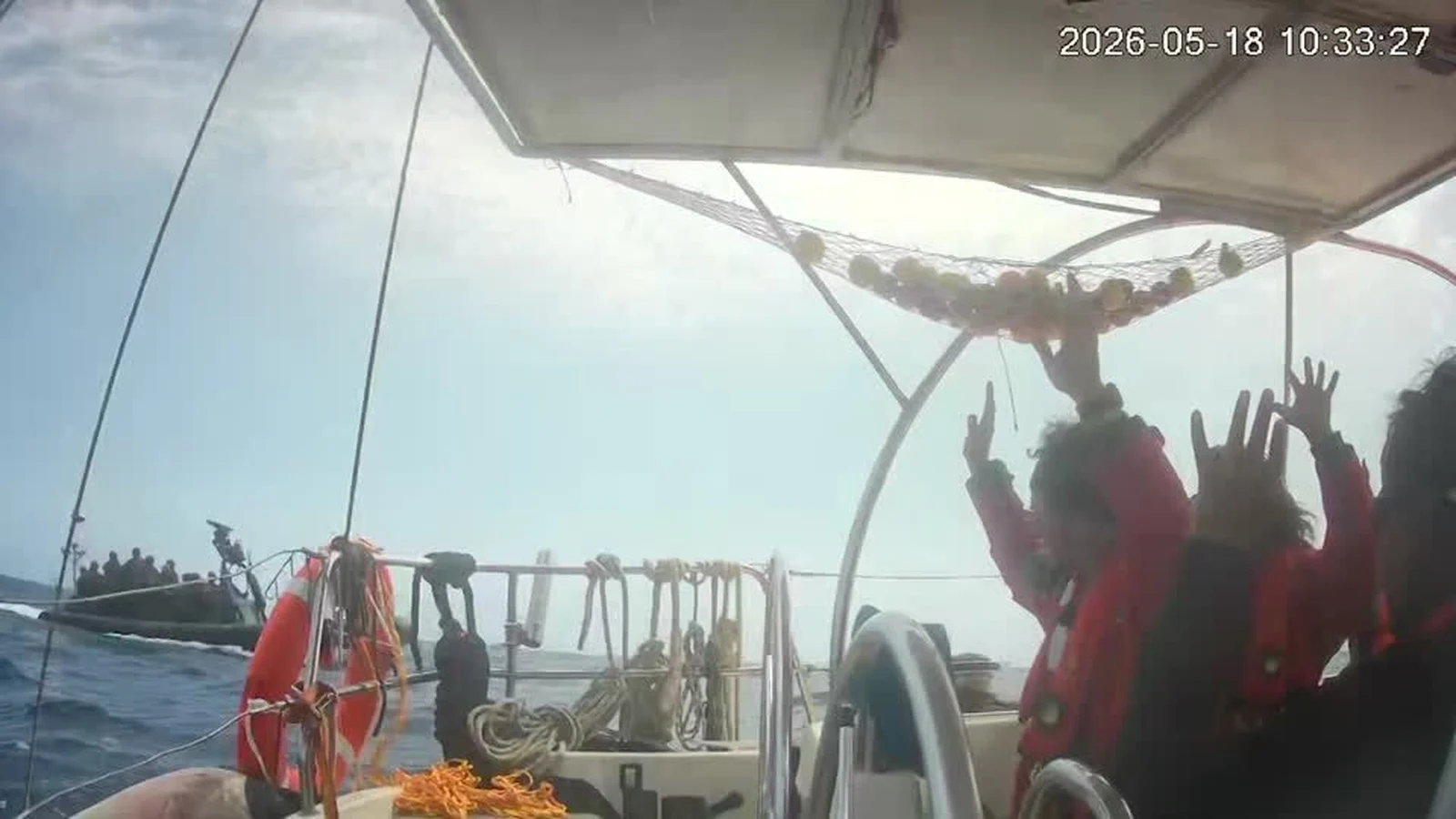
Then the navy arrived. The interception happened in international waters, as has happened before. Men and women who had sailed together, some for the first time and others hardened by prior flotillas, found themselves forced to the deck, hands bound, knees scuffed and dignity frayed. A handheld camera captured it all: a government minister walking past rows of detainees, a woman chanting “Free, free Palestine” shoved downward, the flag of a nation fluttering in the background like a performed triumph.
When that clip was posted online by the minister in question—Itamar Ben-Gvir, a far-right member of Israel’s government—the footage became the spark that set off a diplomatic firestorm. Within hours, capitals from Dublin to Rome summoned envoys, human rights groups demanded investigations, and ordinary people lined up at social feeds to denounce what they saw as humiliation on parade.
What the video showed—and why it matters
In the footage, detainees are seen kneeling in rows, their hands zip-tied behind their backs. Guards patrol from the gunwales of a military ship. A woman’s voice rises above the hum of engines: “Free, free Palestine.” She is immediately brought to the deck and forced down. The minister strolls by, an Israeli flag slung over his shoulder, and quips to the camera about their diminished “heroism.”
“This is not a staging for security; it’s a spectacle,” said Miriam Haddad, a human-rights lawyer who has documented arrests at sea. “The line between law enforcement and political theater blurs when an elected official films himself gloating.”
The United Nations’ human-rights office said the arrests appeared unlawful and called for a full, impartial inquiry—pointing to a pattern of concern. Amnesty groups and veteran flotilla organizers recalled 2010’s deadly raid on the Mavi Marmara, when clashes left nine Turkish activists dead and seeded years of diplomatic bitterness. For many international observers, the recent clip stirred echoes of that fraught chapter.
Voices from ashore and at sea
Alessandro Mantovani, an Italian journalist who was repatriated after the interception, told reporters when he landed in Rome that he had been beaten while in detention. “They kicked me in the legs, punched me in the face,” he said. “They’d hit you and then say, ‘Welcome to Israel.’ It was a place of terror.” Another Italian activist, a politician named Dario Carotenuto, said he had been punched and kicked while detained.
“We came with boxes of food and small medical kits,” said Leyla Öz, a Turkish nurse who helped load the boats in Iskenderun. “People think we are naive. We are not. We are trying to do the simplest human thing—deliver aid.”
From European halls of power came sharp rebukes. Foreign ministries in several capitals described the footage as appalling, unacceptable, or in violation of basic human dignity. An EU official said bluntly: “This is a line that should never be crossed.” In some countries, ambassadors were summoned and strong-worded notes were handed over. Poland’s foreign ministry even suggested travel curbs for the minister featured in the video.
The broader context: blockade, aid shortages, and the politics of spectacle
The flotilla’s stated aim was to break—or at least publicly challenge—Israel’s blockade of Gaza, in place since 2007. Humanitarian organizations say that despite agreements and intermittent ceasefires, Gaza remains precarious: electricity, clean water and medical supplies are in short supply for large swaths of the 2.4 million residents. A US-brokered ceasefire last October promised increased assistance, but logistics, security concerns and bureaucratic hurdles have meant deliveries are often delayed or limited.
“There’s a global trend where domestic politics is staged for global consumption,” said Dr. Rachel Levine, a political scientist who studies performative governance. “When leaders or ministers turn enforcement into content, they are speaking to a particular audience: their base. But they also risk inflaming international norms and diplomatic ties.”
Indeed, Israel’s prime minister issued a rebuke, saying the minister’s conduct “is not in line with Israel’s values and norms.” Yet the minister in question draws support from a constituency that prizes uncompromising security and nationalist rhetoric. With snap elections on the horizon—a political clock ticking closer to the country’s polls—some analysts see the video as both provocation and political theater.
Numbers, names and the human tally
Organizers estimated roughly 430 activists had been detained and later released from a prison facility in southern Israel. Two Italians allege they were physically assaulted. Turkey moved quickly to arrange flights to repatriate its citizens and third-country participants, with officials saying they would “continue to uphold the rights of our citizens and fulfill our humanitarian responsibility.”
Past flotillas have had mixed results: previous missions were intercepted, participants deported, and once, as in 2010, deaths and deep diplomatic ruptures ensued. The legal questions—who has the right to interdict ships in international waters, what constitutes lawful detention, and where humanitarian impulses meet state security—are thorny and unresolved.
Local color: chants, coffee, and the bitter taste of bureaucracy
On board these vessels you will find cooks who have never cooked in Gaza, musicians who learned new protest songs on the voyage, and retired schoolteachers who carry thermoses of Turkish coffee. They share songs and stories; they swap recipes for lentil soup and talk about children’s birthdays postponed for lack of fuel. These small human rituals are a kind of resistance—insistent proof that even amid politics, ordinary lives beat on.
“I made a playlist of lullabies kids in Gaza might like,” said Hannah, a volunteer from Berlin who requested her last name be withheld. “This is not just about headline-grabbing. It’s about saying, ‘We see you.’”
So what now? Questions to sit with
Will there be an independent investigation into the alleged mistreatment? Will states willing to impose sanctions follow through, or will political expediency blunt diplomatic pressure? And perhaps more fundamentally: in an era where a single posted clip can redraw international fault lines overnight, how do we balance security concerns with the dignity of civilians and activists?
These are not hypothetical queries. They are urgent ethical choices for policymakers and citizens alike. When a minister films himself parading detainees, it is an image that travels faster than any press release. It demands a response—not just a diplomatic note or a viral hashtag, but a reckoning about the limits of power and the responsibilities of states toward human beings, even—and especially—those who oppose them.
So I’ll ask you directly: what should be the line between enforcing law and performing force for political gain? And when you see a video like this, what do you feel compelled to do—share, protest, demand accountability, or turn away because it’s too much? The answer matters. It shapes who is believed, who is protected, and who is allowed to remain human in the face of state power.