Arrest on a Quiet Norfolk Morning: A Royal Scandal Unfolds
On a damp, early morning at Sandringham — where the air usually smells of sea spray and wood smoke — unmarked police cars slipped down the lane toward a low, brick-walled cottage that for decades has been the private refuge of the royal family.
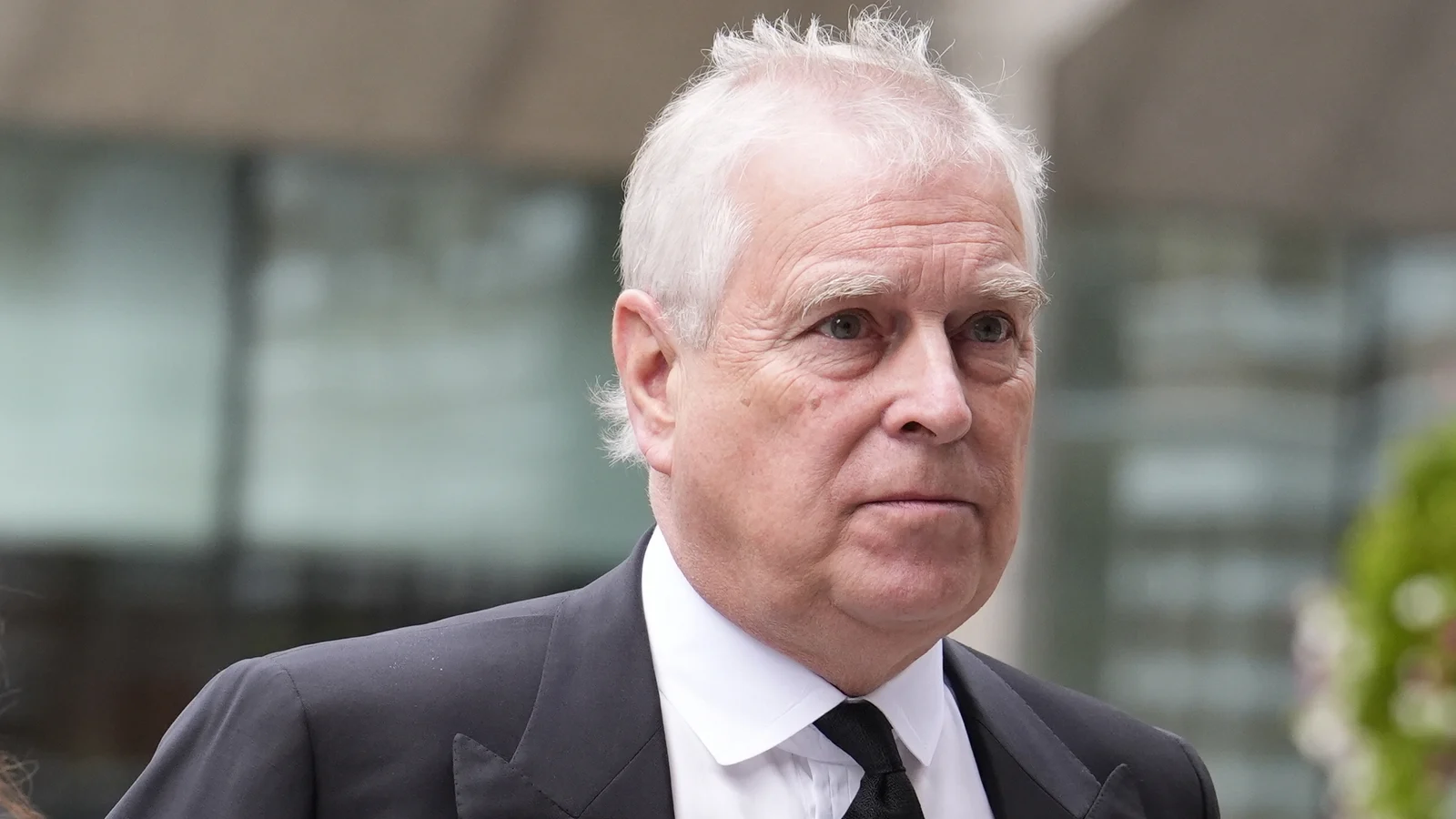
By midday, whispers that would have been dismissed as impossible gossip in another era were circulating in the village: Andrew Mountbatten‑Windsor, a member of the British royal family, had been arrested on suspicion of misconduct in public office. Thames Valley Police later confirmed officers had attended Wood Farm, a secluded dwelling within the Sandringham estate, and that the force was reviewing allegations that are both serious and combustible in public life.
The Scene at Wood Farm
From a distance, Wood Farm is unassuming: low eaves, a scattering of outbuildings, a gate that shuts out the world. Up close, the place feels private in a way most modern homes are not — a layer of anachronistic calm that has sheltered family moments for generations. Today the calm was punctured by a small cluster of plain‑clothed officers and the discreet presence of police vehicles.
“It was surreal,” said one neighbour who asked not to be named. “You’d never expect to see anything like that here. The pheasants were out in the field as if nothing was happening. But the mood on the lane changed.”
Images shared online showed what appeared to be unmarked policing vehicles and officers in civilian clothes gathered outside the property. Local police—Norfolk Constabulary—had not issued a public statement at the time of the incident, deferring instead to Thames Valley Police, which is leading the review.
What the Police Say — And What This Means
Thames Valley Police said the arrest was made on suspicion of misconduct in public office, a charge that in British law is serious: it’s a common‑law offence that, in its most severe manifestations, can attract very long sentences. But it is essential to stress what the force itself has emphasised — at this stage, these are allegations under review, not proven facts.
The investigation reportedly touches on two strands: one involving claims that a woman was trafficked to the UK by Jeffrey Epstein to have an encounter with the man now under arrest; the other alleging that sensitive information may have been shared with Epstein during the period when the individual served as a UK trade envoy. Both strands, if true, would cross lines of criminality and public trust. Both, if unproven, could devastate lives.
A Thames Valley Police spokesperson told reporters: “We can confirm the arrest was carried out this morning. We are reviewing allegations and will progress our inquiries as appropriate.” They reiterated that arrests are not proof of guilt and reminded the public that investigations are ongoing.
Voices from the Village
“We’re not a place for spectacle,” said Martin Greene, who runs a small hardware shop in the nearest market town. “But people are talking. There’s a sense of betrayal — not just about who is involved, but about what power and privilege seem to shield.”
Others struck a different chord. “This is a small community; everyone deserves due process,” said Helen Carter, an elderly resident who walks the estate lanes every morning. “We also want honesty and clarity. If someone has done wrong, they must be held to account.”
Context: Epstein, Royal Ties, and the Weight of Allegations
To understand why this arrest reverberates beyond Norfolk, you need only to think of the broader canvas. Jeffrey Epstein, the American financier whose 2019 arrest and subsequent death in custody prompted worldwide scrutiny, cultivated networks that stretched across borders and into the highest social circles. His case unearthed allegations of trafficking and exploitation that—depending on jurisdiction and time—led to convictions, civil suits and fierce public debate around wealth, power and impunity.
Since Epstein’s death in 2019, revelations have kept surfacing through legal proceedings and reporting: dozens of women have come forward with accounts of trafficking and abuse in civil suits and criminal investigations. The scale and persistence of those claims have made any association with Epstein a lightning rod for public ire.
So when an investigation touches on alleged links between a member of a royal household and figures associated with Epstein, prosecutors, police and the public approach with a heightened sense of scrutiny. The stakes are not just legal; they are cultural, political and moral.
Legal Notes: What “Misconduct in Public Office” Means
Under English law, the offence of misconduct in public office can be invoked when a public officer wilfully neglects to perform their duty or wilfully misconducts themselves to such a degree that they are a breach of the public trust. It is a catch‑all for abuses where no statutory offence fits neatly, and can therefore be complex to litigate.
A former senior investigator, who asked to speak off the record, explained: “Prosecuting such cases requires clear evidence of intent and of a breach of duty. It is not enough to show poor judgment alone. But where personal relationships intersect with official responsibilities, the legal and ethical boundaries can become perilously thin.”
From Buckingham Palace to Sandringham: A Royal Response
This is not the first time the royal household has been forced to reckon with scandal in the public eye, but each episode reshapes the relationship between monarchy and society. King Charles was reported earlier this month to have expressed “profound concern” about allegations relating to this matter — language that signals the seriousness with which the palace views such claims while also underscoring the delicate tightrope the institution must walk between privacy and public accountability.
Palace aides have historically been cautious with statements; their approach now seems calibrated to acknowledge concern without prejudicing ongoing legal processes. It’s a reflection of a new reality: the monarchy is less insulated than in the past, and every revelation is processed through a global media ecosystem that demands transparency.
Why This Resonates Globally
Why should people from Buenos Aires to Bengaluru care about an arrest on a Norfolk lane? Because this is about the enduring questions of how power is exercised and policed in modern democracies. It is about the mechanisms—legal, institutional, social—that hold elites accountable. It is about the survivors whose voices must finally be heard and whose safety must be protected.
It is also about trust. When a public figure is accused of blurring private conduct and public duty, institutions and individuals must grapple with the fallout. The case invites us to ask uncomfortable questions: How much secrecy should be allowed for those in positions of privilege? How do we ensure investigations are meticulous, fair and transparent? And how do societies reconcile the presumption of innocence with the imperative for accountability?
Closing Questions
What happens next will matter. Investigators will follow lines of inquiry. Evidence will be tested. The accused will have the right to respond. And the public will watch — not merely to cast judgement, but to see whether our systems, local and global, can muscle through a scandal without sacrificing fairness.
As the sun set over Sandringham, peeling shadows across the estate’s hedgerows, villagers returned to their routines, but the conversation had changed. In kitchens and cafés they asked one another: can privilege be a shield, or is the law finally catching up with power? In the coming weeks and months, the answer will unfold in courtrooms and statements—but also in the quieter, harder work of restoring trust.