A Small Country, a Giant Change: Bulgaria on the Cusp of the Euro
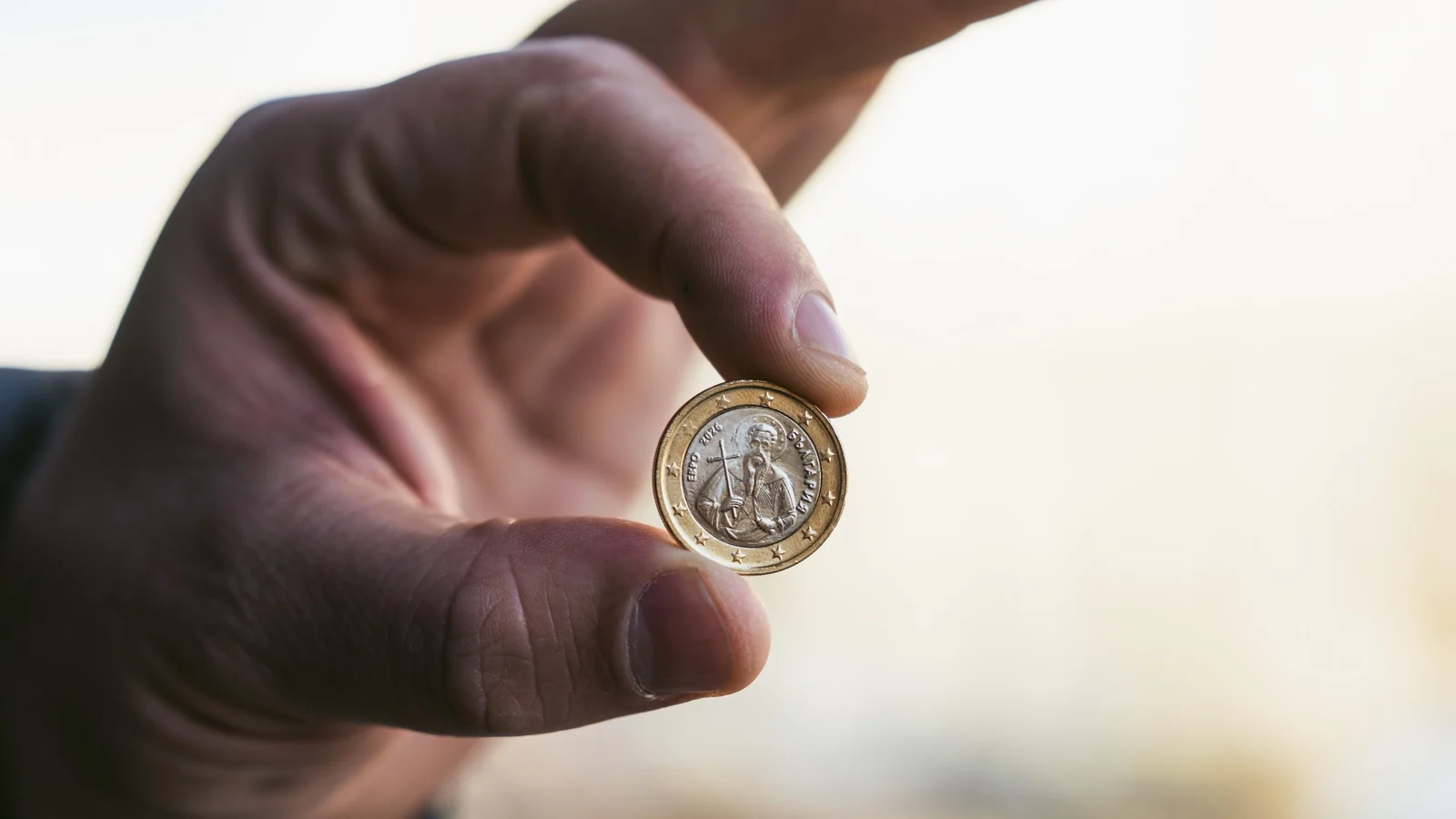
The kiosks on Sofia’s boulevard are printing new signs. Butchers who once chalked prices in lev have learned to write two numbers, one beside the other like siblings. In the market stalls of the capital, a grandmother chooses tomatoes and, without missing a beat, counts out coins in her head while a young tourist taps a card and smiles at the contactless reader. The lev — Bulgaria’s companion through decades of transition — is being folded gently into history as Bulgarians prepare to switch to the euro on 1 January.
This is not just a technical switch of banknotes. It’s a civic rite, a political lightning rod and a small-business revolution bundled into one. For a nation of roughly 6.7 million people sitting on Europe’s southeastern edge, the move will make Bulgaria the eurozone’s 21st member and add to a currency used by more than 350 million Europeans.
Why Now? The Rules Behind the Leap
Joining the euro is not an act of whim. It follows a multiyear checklist: tame inflation, keep public finances in order, ensure borrowing costs stay within acceptable bounds and demonstrate exchange-rate stability. Bulgaria cleared those hurdles this year — the technical green lights that many nations spend decades chasing.
There are practical rewards. Companies exporting to the EU can now bill in a single currency. Holidaymakers won’t need to exchange lev for euros at border booths. And Bulgaria steps up from occasional participants in distant Council debates to a permanent presence at the European Central Bank’s Governing Council, where interest-rate choices that ripple across the continent are made.
On the Ground: Markets, Memories and Mistrust
Walk the streets of Sofia and the preparations are visible — dual pricing on windows, supermarkets listing totals in both currencies, government leaflets arriving in mailboxes. Yet this choreography masks a patchwork of sentiments: excitement in the business community, resigned pragmatism among many urban young people, and stubborn scepticism in rural villages and among older generations.
“This lev has a smell I grew up with,” says Emil Ivanov, a retired schoolteacher who still prefers to count his pension in lev when buying banitsa and coffee. “It’s our small piece of independence.”
Others worry about a different kind of loss: potential price rises. It is a familiar refrain wherever countries have adopted a larger currency — the fear that shopkeepers will round up prices during conversion and erode purchasing power. Governments usually answer with legal safeguards: mandatory dual pricing for a transition period, fines for unjustified rounding, public education campaigns. Sofia’s authorities have been running billboards and TV spots urging calm and explaining the fixed conversion rate that will govern every transaction.
Voices from the Vineyards and the Streets
Not everyone shares the scepticism. For exporters and winemakers in Bulgaria’s fertile Thracian Valley, the euro is a long-awaited simplifier.
“For my winery, invoices used to be a small accounting rebellion — convert this sale into euros, then back to lev for domestic reports,” says Natalia Gadjeva, owner of an estate that bottles local Mavrud and Melnik grapes. “With the euro, I save time and avoid conversion fees. That means more money for barrels, marketing and hiring local people.”
Young professionals in co-working spaces speak of travel and mobility. “I get on a plane to Berlin or Athens without changing cash,” says 28-year-old software developer Petar Dimitrov. “It’s practical. It makes working in Europe feel less bureaucratic.”
Political Fault Lines
Yet currency is never only about convenience. It’s also political theatre. Bulgaria’s governments have nudged toward the euro since the country joined the European Union in 2007, but domestic politics complicate the path. This month’s widespread protests against proposed tax hikes and the resultant collapse of the government have reopened questions about trust and democratic legitimacy.
“Monetary integration requires political stability,” says Dr. Ana Marinova, an economist at Sofia University. “If citizens feel disconnected from decision-making, they are more likely to interpret economic changes as elite projects imposed from above.”
There are also historical and geopolitical threads woven into public attitudes. Bulgaria has deep cultural and personal ties with Russia; older generations often remember Soviet-era links. For some, closer alignment with the European monetary system feels like another step away from those memories — a change that carries emotional weight as much as economic rationality.
Practicalities: What to Expect at the Checkout
For many Bulgarians, the transition will be curiously mundane. Expect to see:
- Dual prices displayed for a prescribed period so shoppers can compare.
- Legal protections against unfair rounding and a government hotline for complaints.
- The fixed conversion rate applied to all balances and contracts — a mechanical, predictable switch rather than a market shock.
And yet rituals matter. Old coins will be kept in boxes. Some will tuck the last lev note into a drawer as a talisman. Such small acts are how societies reconcile change with continuity.
Broader Currents: What Bulgaria’s Move Means for Europe
Consider the wider currents. Each new member state reshapes the eurozone’s politics and economics. The ECB’s Governing Council, which sets interest rates affecting mortgages and business loans across the single currency, will now include voices from Bulgaria’s economy and society. That matters: monetary policy must balance the needs of Amsterdam’s tech hubs and Sofia’s small manufacturers.
There are also lessons for other countries considering greater integration versus preserving monetary sovereignty. Does a shared currency deliver growth, stability and convenience? Or does it expose economies to policy mismatches and political backlash? The Bulgarian experience will be watched in capitals from Kyiv to Skopje and beyond.
Questions to Consider
Will the euro make daily life measurably cheaper or simply easier? Can authorities prevent opportunistic price hikes? And perhaps most importantly: will the swap strengthen public confidence in domestic institutions at a time when many Bulgarians feel politically adrift?
Closing Scenes: A Nation Turning a Page
On the night before the change, Sofia’s tramlines hum and the city exhales. An old man counts his coins outside a pastry shop; a student uses a smartphone to check a bank app. Somewhere in the Thracian Valley, a vintner locks up a cellar and thinks about new markets. These small domestic moments will accumulate into history.
Every currency change is a story about trust. Trust in numbers, in government, in rules that will be followed and enforced. As Bulgaria steps across this threshold, millions of small acts — a cashier’s adjustment, a baker’s label change, a minister’s speech — will stitch the past and future together. Whether you are a skeptic or a believer, the scene is worth watching: the world’s patchwork of currencies is not only an economic map, it’s a ledger of identity, allegiance and aspiration.
So, would you keep a last note of a national currency as a souvenir? Or would you embrace the new notes as tools that open borders and markets? The answer you choose tells a story about how you see money’s role in the life of a nation.