
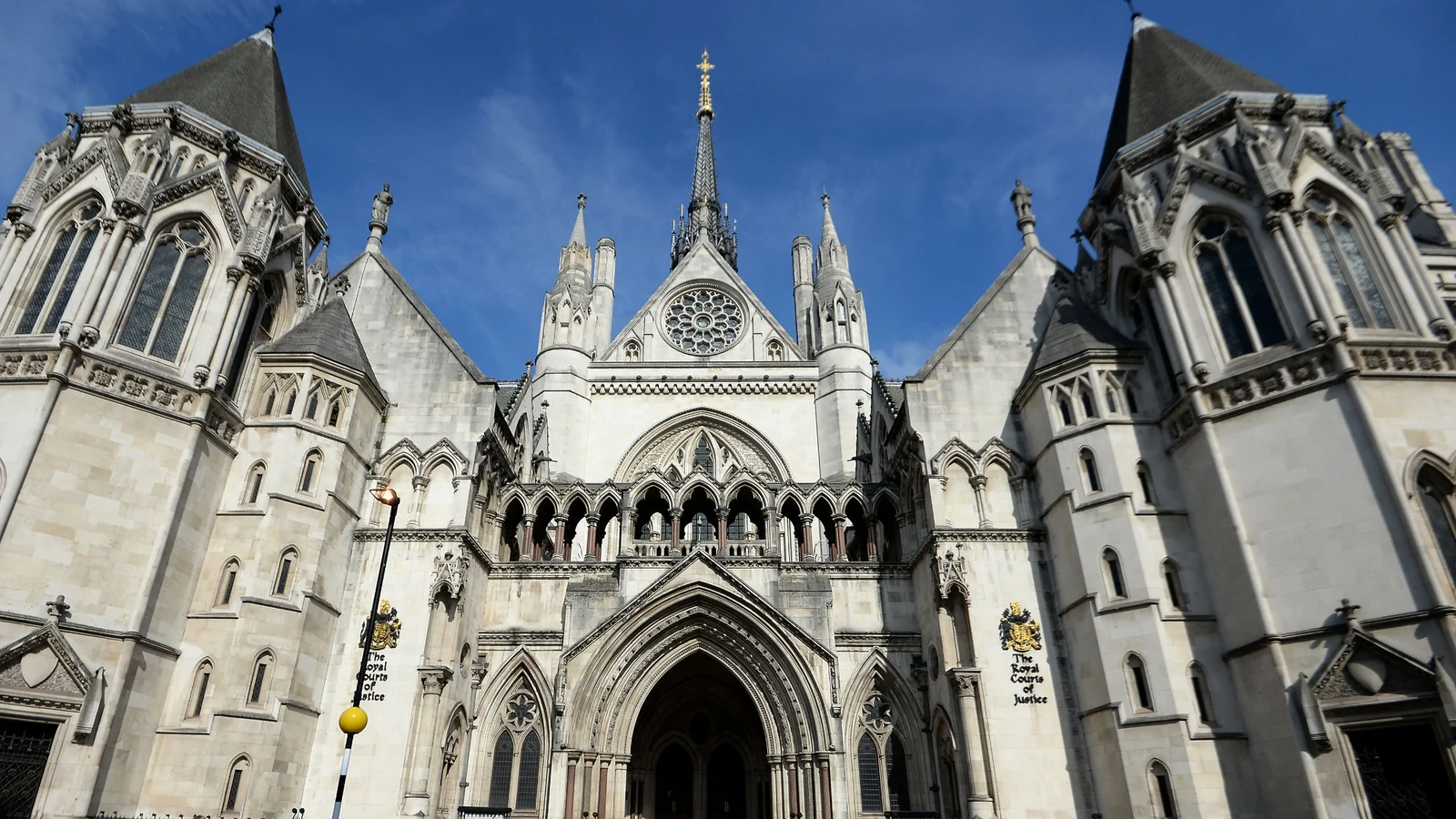
A prominent public figure has failed in a High Court attempt to block two major UK media outlets from publishing allegations against him, including claims of sexual misconduct, though he cannot yet be identified because he has the option of taking the case to the Court of Appeal.
The man launched legal proceedings against Independent Television News (ITN) — which produces news programmes for ITV, Channel 4, Good Morning Britain and Channel 5 — and Guardian News and Media (GNM), the publisher of The Guardian.
In earlier arguments before the High Court in London, lawyers for the media organisations said the allegations they intend to report centre on the man’s alleged “abuse of power and status” to make contact with young women and attempt to involve them in “inappropriate and exploitative sexual activities”.
The man, who denies the allegations, applied for an injunction to stop broadcast and publication on the basis that reporting posed a risk he would take his own life, following two previous suicide attempts.
In a judgment handed down today, Mr Justice Nicklin rejected the application, concluding that granting the injunction would amount to an “exceptionally serious interference” with freedom of expression.
The judge did not rule on whether the allegations ITN and GNM propose to publish are true, noting that the material also includes claims of “potential criminal activity”.
Mr Justice Nicklin acknowledged that the man has repeatedly said he intends to take his own life if the allegations become public and stressed that such warnings must be treated seriously.
But, he said, those statements do not “establish that suicide is inevitable”.
Mr Justice Nicklin said: “His prediction of his own future conduct is made in the context of depressive illness, hopelessness and catastrophic thinking.
“It is powerful evidence of the seriousness of the present risk, particularly when considered with his previous conduct, but it is not a reliable basis for concluding that no future treatment or intervention could alter that risk.”
In his 52-page judgment, the judge also found that an injunction would not address the man’s psychiatric condition or remove the heightened risk described to the court.
The judge continued: “The evidence does not identify a point at which publication would become safe merely through the passage of time.
“The relief sought would therefore be of uncertain and potentially indefinite duration.”
He also pointed to safeguards available because the man is detained under the Mental Health Act. Mr Justice Nicklin said the involvement of hospitals and health professionals caring for him means the state has “assumed responsibility” for his immediate safety and “can provide significant protection”, which “materially reduces the likelihood of suicide”.
Sara Mansoori KC, representing the man, asked Mr Justice Nicklin to allow the matter to be taken to the Court of Appeal, telling the court her client is “in a highly vulnerable position”.
The judge granted permission, adding that any notice of appeal — or applications seeking more time — must be submitted to the Court of Appeal by Monday afternoon.
Mr Justice Nicklin also stressed that it would not be for the court to name the man involved in the case.
He said: “The court does not itself put into the public domain the material which the claimant sought to restrain.
“It remains the choice of the defendants what, when and how they publish.
“The court does nothing to pre-empt that decision, which will be for the defendants and the defendants alone when any legal impediment to publication is removed.”
Ms Mansoori has previously told the court that her client denies any wrongdoing, that publication “would have a potentially fatal impact”, and that he has “no intention of returning to public life”.
Gavin Millar KC, acting for ITN and GNM, argued that the case risked “dragging judges into assessing the causes of suicidal ideation, which are for professionals and not for a judge”.
He added: “The obligation falls on the hospital to keep him safe, and that’s that.”