After the Strike: A Cold, Blinking Country and the Very Human Cost of Escalation
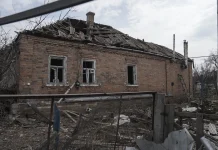
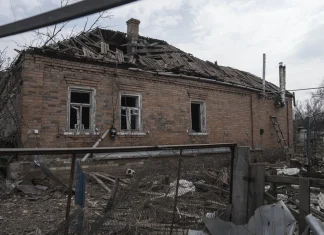
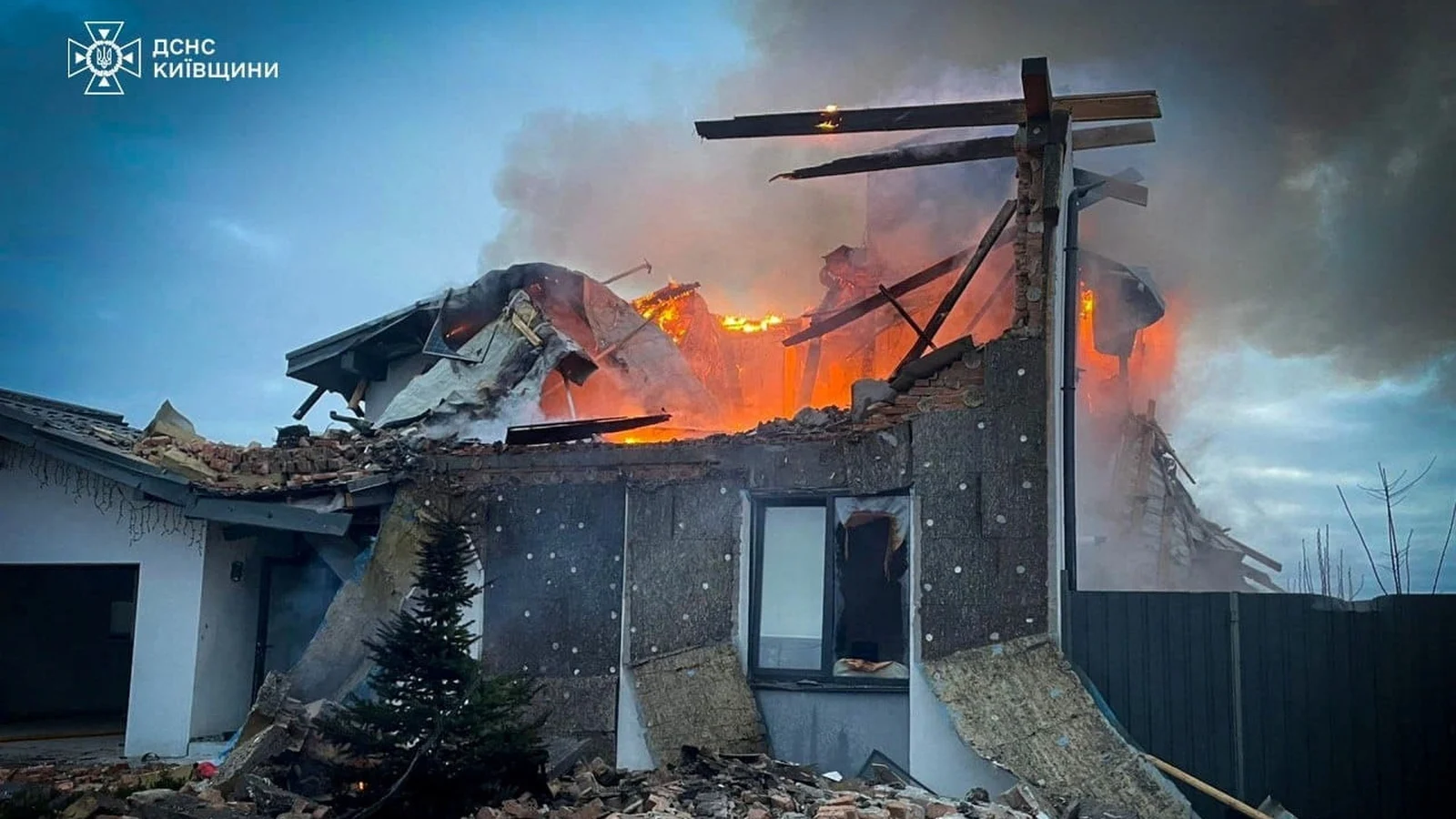
The morning after, the town smelled of smoke and diesel and something older—an exhausted grief that settles in the marrow when lives are interrupted suddenly and violently. In Kyiv, in Khmelnytsky, in regions where the lights sputtered and went out, people wrapped their children tighter and checked boilers and power banks, trying to keep a small, bright normality alive in the teeth of a “massive” strike that Ukrainian officials say killed at least three people, including a four‑year‑old child.
“This strike sends an extremely clear signal about Russia’s priorities,” President Volodymyr Zelensky wrote on Telegram, his words sharp and public, landing on millions of screens as blackouts crept across the map. “An attack was carried out essentially in the midst of negotiations aimed at ending this war.”
Immediate Toll: Fire, Freeze, Fear
Emergency services reported fires in multiple regions after what Ukraine’s power operator, Ukrenergo, called a coordinated missile-and-drone onslaught. Temperatures were dipping towards freezing—winter’s indifferent backdrop making the loss of electricity more than an inconvenience; it became a direct threat to health and survival. “When the generators go quiet, everything else becomes urgent,” said Olena, a schoolteacher in Kharkiv who spent the night at a neighbor’s house charging phones and boiling water on a camping stove. “We’re used to sirens. We’re not used to a child dying while we negotiate peace.”
Local officials confirmed casualties in several areas: a death in Khmelnytsky, another in Kyiv, and multiple wounded, including children elsewhere. Energy ministry bulletins warned of emergency power outages across regions. In the Black Sea port of Odesa, strikes have been relentless over recent days, Ukrainian authorities say, intended to choke maritime logistics; fresh hits sparked fires but, in this round, no immediate injuries were reported.
Across Borders: Jets Scrambled, Diplomacy Tested
Poland scrambled jets to protect its airspace as the crisis spilled beyond Ukrainian borders in the attention it demanded. Nearby capitals watched with wary eyes, calculating risk and response. The strikes came on the heels of talks in Miami—separate meetings between US envoys and Russian and Ukrainian delegations meant to explore a path toward ending the conflict that began in February 2022. The timing, whether coincidental or deliberate, was impossible to ignore.
“It feels almost performative,” said Marek, a pilot in Warsaw who flew patrols over the eastern corridor this week. “A show of strength. A statement that the conversation on paper won’t dictate behavior in the sky or on the ground.”
Negotiations, Proposals, and a Fractured Hope
In Florida, US envoys—figures connected to high-level political circles—met with both sides in a fragile dance of proposals and red lines. Officials described “slow progress” and “constructive” conversations, even as neither Moscow nor Kyiv signaled a readiness to concede everything. Mr. Zelensky told reporters that “nearly 90%” of Ukraine’s demands had been incorporated into initial drafts, and that a 20‑point plan formed the backbone of the proposed settlement.
That plan, according to Kyiv, includes a controversial mix of security guarantees and political promises: an asserted peacetime ceiling for Ukraine’s armed forces at 800,000 personnel, a roadmap toward European Union membership, and the presence of European forces—with France and the UK in lead roles and a Washington “backstop”—for air, land and sea security. Kyiv wants the US‑Ukraine bilateral document to be subject to congressional review, with certain annexes classified.
“There are things we are probably not ready for, and I’m sure there are things the Russians are not ready for either,” Mr. Zelensky said—an honest, weary admission that negotiations are as much about managing expectations as they are about writing treaties.
What’s on the Table
- Security frameworks involving European and American guarantees;
- Political compromises on military posture and territorial arrangements;
- Economic and energy support measures—including infrastructure repair and possibly classified annexes requiring congressional oversight.
Energy as a Target: Winter, Infrastructure, and the Strategy of Cold
Attacks on power plants, substations and distribution lines have become grimly familiar, but the winter adds a new, urgent dimension. When electricity falters, hospitals run on backup generators, apartments grow cold, and water pumps sputter. Ukrenergo warned of emergency outages; for many in small towns and rural areas, “emergency” means no heating, limited communications, and the sudden need to make hard choices—who moves in together, which medicines to keep cool.
“Energy infrastructure is modern society’s nervous system,” said Dr. Ana Petrova, a European energy systems analyst. “Strike the nerves and you paralyze basic services. That’s the scorched-earth logic of a campaign meant to erode morale as much as capacity.”
She added: “Resilience investments take time. There’s no fix in the morning after. That’s why international assistance needs to be rapid and targeted—spare parts for transformers, mobile generators for hospitals, fuel for heating centers.”
On the Ground: Stories That Ground Policy
In the small town of Vilcha near Kharkiv—one of the places images showed a Russian Su-34 fighter-bomber overhead just days earlier—residents describe a city compressed into community. “We took in two families last night,” said Dmytro, a baker who woke at 04:00 to feed a line of people seeking hot bread and a moment of warmth. “We don’t have much, but we have ovens.”
Across town, an elderly woman named Halyna spoke not of geopolitics but of practical care: “My neighbor’s courage is what keeps the kids fed. We used to argue about politics. Now we argue about whose turn it is to take the kids to the shelter.” Her laugh, brittle but adamant, filled the phone as if to prove life could still find room for small rebellions.
How Should the World Respond?
We can tally bullets and treaties, armies and meetings, but the question that echoes from kitchen tables and makeshift shelters is pulsing and simple: what next? The strikes underscore a painful truth—diplomacy does not exist in a vacuum. Negotiators can draft clauses and guarantees while smoke rises kilometers away.
International partners, Zelensky urged, must press more forcefully on Moscow. Others argue for increased investment in Ukraine’s energy resilience and humanitarian corridors to ensure civilians are not bargaining chips when diplomacy falters. “We need both pressure and practical help,” Dr. Petrova said. “Sanctions may shape calculus but generators keep babies from freezing.”
And so the world watches and chooses—sometimes overtly, sometimes in the small daily acts of sending fuel, shelter, or words of solidarity. What would you do if you were the one making the call—with a city’s lights dimming and a child’s life on the line?
Closing: Remembering People, Not Statistics
Numbers—three killed, nearly 90% of demands in a draft, 20 points in an outline—are necessary to understand scale. But they are poor companions for grief. Names, faces, and the stubborn insistence on ordinary routines—baking bread, filling kettles, charging phones—are what will determine how this season is remembered.
Ukraine’s winter is cold. So are the calculations that lead to attacks on infrastructure. Between the meetings in marble conference rooms and the smoke-streaked skies, there are ordinary lives asking for warmth, peace, and the chance to keep living without watching the power meter tick toward zero. That is the story now, and the world’s response will write the next chapter.