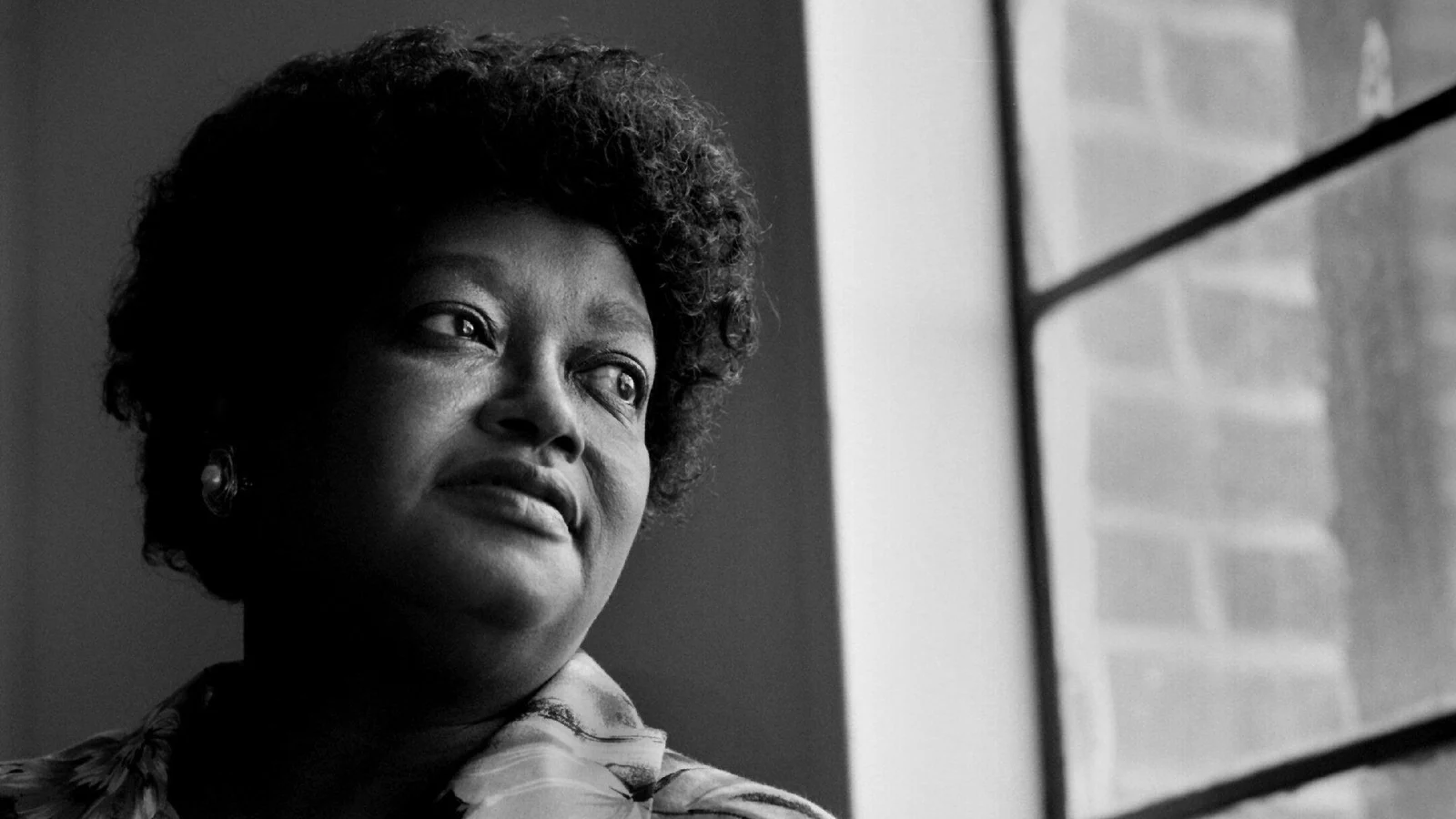
Claudette Colvin: The Girl Who Sat and Would Not Move
On a humid morning in Montgomery, Alabama, a 15-year-old girl sat on a city bus and, in a single quiet act, stared down a system that had been telling her she was worth less for as long as she could remember.
Claudette Colvin was not yet a household name when she was hauled off that bus and into the pages of history. She was a schoolgirl who had been reading about Harriet Tubman and Sojourner Truth and, as she later testified in court, felt as if “history had me glued to the seat.” Arrested for refusing to give up her seat to a white woman in 1955—nine months before Rosa Parks’ more celebrated refusal—Colvin’s courage would become one of the critical sparks for a legal assault on Jim Crow transit laws.
A Seat, a Stand, a Spark
Picture it: the air thick with summer dust, the hush of engines and the low murmur of conversations. Buses in Montgomery were mapped by color lines and by legislation—Black passengers relegated to the back, expected to yield their seats when white riders demanded them. For too many, these were ordinary indignities. For Claudette Colvin, they were a chain of small outrages that snapped.
“She didn’t make a spectacle,” recalled “Martha,” a fictionalized neighbor who might have watched from a porch decades ago. “She just sat. Calm. Like she was sitting for someone who belonged to her.”
The police arrested Colvin, charged her with disorderly conduct, and she spent a night in jail. The image of her being dragged off the bus is one of those indelible scenes of America’s long civil-rights ledger: a teenager in a dark skirt, heels clicking, the dignity of a child held stubbornly intact against official force.
The Long Silence
History is sometimes a matter of who is convenient to elevate. Claudette Colvin’s adolescence was complicated, as she became pregnant about a year after her arrest—a pregnancy she later described as the result of statutory rape. In an era when movements carefully curated their faces for media and legal strategy, organizers feared that her situation might be used to distract or discredit the cause.
So Claudette faded into the background. She worked quietly for three decades at a Catholic nursing home in New York, a nursing assistant who attended to the rhythms of old lives—washing, feeding, listening. The same hands that had gripped a bus seat would spend the next thirty years cradling the frail and the elderly.
“She never boasted,” an imagined co-worker might say. “If you asked her about the past, she’d smile and change the subject—like folk are apt to do when the past hurts.”
A Legal Thunderbolt: Browder v. Gayle
What many people don’t know is that Colvin was among the plaintiffs in Browder v. Gayle, the case that ultimately toppled segregation on public buses. Alongside others—Mary Louise Smith, Aurelia Browder—Colvin’s testimony helped construct a legal argument that segregation violated the Fourteenth Amendment.
Fred Gray, the attorney who brought the suit, later reflected on the moment Colvin’s courage fed the strategy: “I don’t mean to take anything away from Ms. Parks, but Claudette gave all of us the moral courage to do what we did,” he told reporters in later years. The case culminated in 1956 when courts ordered Montgomery to desegregate its buses—a legal victory that resonated nationally.
And yet, the streets of memory are uneven. Rosa Parks became the icon, the face many of us learned in school. Claudette Colvin’s name survived in legal transcripts and in the fading memories of those who had known her, waiting for historians to piece her story back into the mosaic.
Recognition—Late, But Not Empty
Recognition finally began to catch up. Phillip Hoose’s 2009 book, Claudette Colvin: Twice Toward Justice, introduced her to new generations and won the National Book Award for Young People’s Literature. In 2021, a court expunged her 1955 arrest record, a symbolic gesture toward righting a small corner of history’s wrong.
“Justice is sometimes like a slow tide—takes its time but it reaches the shore,” said a fictional legal scholar commenting on the expungement. “It doesn’t make up for the hurt, but it clears the record for the next generation.”
Colvin’s family and the Claudette Colvin Foundation confirmed that she died under hospice care in Texas at the age of 86. The foundation released a statement that read, in part: “She leaves behind a legacy of courage that helped change the course of American history.” It’s a fitting line, but it barely contains the enormity of what she stood for.
Why Her Story Still Matters
Claudette Colvin’s life is a study in what movements choose to remember and what they let slip away. Her story invites us to ask uncomfortable questions: Who is permitted to be heroic? Which narratives are polished for public consumption, and which are shelved because they complicate the ideals the movement projects?
Consider the numbers. The Montgomery bus boycott that followed Rosa Parks’ arrest lasted 381 days and involved thousands of Black residents refusing to ride segregated buses—an extraordinary, sustained act of collective civil disobedience. Legal victories like Browder v. Gayle helped dismantle structures of overt segregation, but systemic inequality has deep roots. Mass incarceration, economic disparities, and unequal access to education are the tail of an earlier, visible beast.
“Legally, we won a battle,” an imagined civil-rights historian might say, “but the war for dignity and equity is ongoing. Claudette’s moment was a reminder—small acts can explode into national transformations.”
The cultural lesson is intimate. When we teach the story of civil rights in classrooms—from Montgomery to Selma—let it be a full portrait. Let us teach the messy, human stuff: the pregnant teenagers, the laborers, the nurses, the quiet women who washed the church floors and held meetings in living rooms. Giving voice to those sidelined narratives is not a subtractive act; it enriches what we know and how we remember.
What Can We Do?
- Learn broadly: Seek out books, oral histories, and primary documents that spotlight lesser-known activists.
- Teach inclusively: Encourage schools to expand curricula about civil rights beyond a few emblematic names.
- Reflect locally: Look at your community—who are the unsung people keeping the civic fabric stitched together?
Claudette Colvin’s life asks us to recognize heroism where it occurs: not always on billboards or the evening news, but often in the ordinary cadence of life, in a refusal to accept humiliation. When you next sit on a bus, or are confronted by an injustice—small or large—remember a teenager who felt history on her shoulders and simply would not move.
How will you honor that stubborn, fierce dignity in your own life? How will you pass along the fuller story so the next generation sees the whole, complicated truth?