When the Tankers Stop: How a Flashpoint at Hormuz Is Rattling the World’s Power
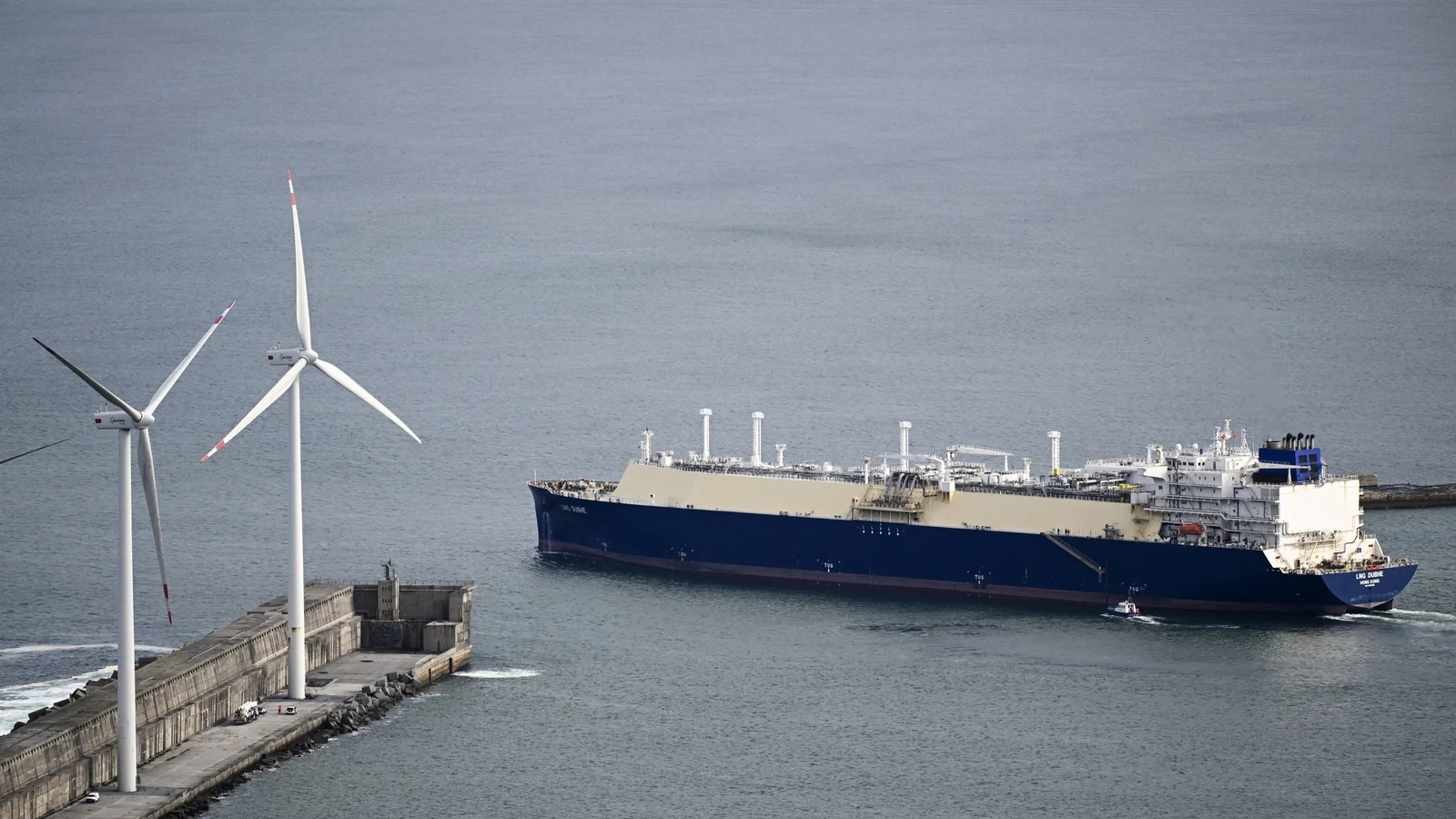
Stand on the deck of an oil tanker in the Gulf on any gray morning and you can feel how fragile the modern world has become. The sea looks ordinary—flat, a little oily, gulls threading the air—but every cargo manifest is now a small, fragile hope. When the Strait of Hormuz chokes, the supermarket shelves don’t immediately empty; the lights in living rooms flicker later, the bills arrive higher next month, and whole economies that thought themselves insulated discover a seam of vulnerability.
That is the blunt diagnosis coming from the International Energy Agency: the recent US–Israeli strike on Iran and the ensuing blockade of Hormuz has produced what the agency calls the largest oil-supply shock in history. And unlike some dramatic headlines that vanish after a week, energy disruptions are slow-motion disasters with long tails—years, even decades—especially while fighting continues and supply routes remain precarious.
A familiar shock, in a new register
We have seen versions of this movie before. Four years ago, Russia’s invasion of Ukraine tore open global gas markets, spurred strategic diversions and left Europe scrambling to replace supplies almost overnight. Before that, the oil shocks of the 1970s rewrote geopolitics. Yet this moment is different: a suite of clean technologies—solar, wind, batteries and electric vehicles—exists now, fully formed and cheaper than ever in many places. The contrast between vulnerability and possibility is stark.
“This feels like a postcard from a possible future,” said an energy strategist in Dublin. “We can watch how the global economy stumbles and then ask ourselves: are we going to patch the old system, or build a new one?”
People in the dark, and rooftop revolutions
Across Karachi, where I spent a humid morning with a street electrician patching inverter cables, the crisis is not academic. Last month’s attacks on regional gas infrastructure suddenly cut off LNG supplies that Pakistan had come to rely on. Homes went dark, factories slowed and hospitals improvised backup plans.
“We used to wait for the grid,” said Aisha Khan, who installs rooftop solar in the old port district. “Now the grid waits for us.”
That’s not mere romanticism. An Ember analysis shows that Pakistan’s solar generation leapt from near zero a decade ago to nearly 30% of national electricity use today—a remarkable pivot born of necessity. Farmers who once depended on diesel pumps now run irrigation on panels; apartment residents buy compact “balcony” arrays that plug into sockets and shave hundreds off monthly bills. In houses across the city, cheap Chinese panels have been affixed to corrugated roofs, a pragmatic answer to power insecurity.
And Pakistan is not alone. From balcony solar in Berlin to small community projects in rural Ireland, people are voting with their wallets and roofs. Last month, solar sales in Ireland jumped sharply in response to higher fuel costs—an intimate, rooftop-level form of resilience.
The policy scramble: incentives, tariffs and a new EU plan
Governments are responding in fits and starts. Brussels unveiled “Accelerate EU,” a package aiming to cut electricity taxes and push investment into homegrown renewables for industry, transport and buildings. “This must be a wake-up call,” an EU energy commissioner told officials privately, urging a reorientation toward energy independence.
It’s political theater as well as policy: leaders want to show action while balancing short-term economic pain. European Commission leadership framed the move as a security strategy as much as climate policy—energy independence, they argued, is national security writ large.
But the trilemma persists
Policymakers face what experts call a trilemma: how to deliver energy that is clean, affordable and secure. Hit two, and the third may fail. Push for decarbonization without grid upgrades and you dump renewables; prioritize cheap fuel and you risk dependence on volatile foreign markets; seek security by drilling more and you lock in emissions.
“If your energy policy isn’t hitting all three, then eventually it will be tested—hard,” said a strategist at a European think tank. “Right now the test is global.”
Why the transition is messy—and not just technical
The barriers are practical and political. Electric vehicles cut running costs but carry higher purchase prices; building a modern grid to carry wind and solar from rural highlands to urban centers means investment and time. “The energy grid is a bit like a road system,” said a campaigner fighting energy poverty. “You can have brilliant wind farms in Donegal, but if the transmission isn’t there, that power can’t move to where it’s needed.”
Last year, he says, more than €500 million worth of renewable wind energy was curtailed or “dumped” because the network could not absorb it—money and potential wasted while bills rise for families in fuel poverty.
Supply chains: swapping one dependency for another?
Another paradox emerges: the geopolitical risks that made us dependent on Middle Eastern oil could be replaced by new dependencies. Today, the bulk of solar panels and many battery components come from China. That concentration has driven prices down dramatically, but it has also prompted legitimate anxiety in capitals from Washington to Brussels.
“We’re trading one vulnerability for another if we don’t think strategically,” observed a policy analyst in London. “A solar panel on a roof is stable for decades—but the supply chains that produced it are international and contestable.”
Reports from auditors in the EU warn that critical materials—lithium, cobalt, nickel, rare earths—are concentrated in a handful of countries. This has pushed some politicians toward protectionist and short-term choices: increase domestic extraction, protect manufacturing, or simply double down on fossil fuels to buy time.
Winners, losers, and the long game
Who wins and who loses in this era of jolts? Wealthier states can outbid poorer ones for fuel cargoes; producers will sell to the highest bidder. That dynamic has already produced shortages across parts of Asia. Yet poorer countries sometimes leapfrog technologies because they can adopt solar and batteries locally without the legacy infrastructure that binds richer countries to fossil fuels.
“Necessity breeds invention,” said a Pakistani energy entrepreneur. “When your LNG tanker doesn’t come, you learn to fix your power at home.”
What should we do—now?
There are no easy answers, but the shape of strategy is clear: build resilient grids, democratize access to clean tech, diversify supply chains and design policies that make the upfront costs of transition manageable for ordinary people. That means subsidies, yes—but also training programs, local manufacturing incentives and new forms of international cooperation that treat energy security and climate policy as two sides of the same coin.
Can we imagine a world where a geopolitical flashpoint no longer rearranges the lives of the poorest? Can a family in Karachi or a fisherman in Donegal sleep easier because we re-engineered the economy to be cleaner and less fragile? These are political choices as much as technological ones.
“This is a system built for an older era—burning ancient sunlight trapped underground,” an energy thinker said. “Rebuilding it will take political courage, patience and a willingness to shape markets rather than simply react to them.”
The Strait of Hormuz reminds us, in unnerving clarity, that energy is not an abstract line item. It is daily life: heat, light, transport, health. The question for the next decade is whether societies will treat this disruption as another temporary storm to weather, or the alarm that finally pushes them to rebuild. Which path will your community choose?