When Ice Came Calling: A Storm That Reminded a Nation How Fragile Winter Can Be
There is a particular hush that falls after the first heavy sleet—an otherworldly quiet that muffles sirens and conversation and lets the world listen to itself. This weekend, that hush stretched from the Gulf Coast to the Canadian border, as a sprawling winter system smeared lanes of sleet and snow across the United States, toppled power grids, and left at least 11 people dead.
From city sidewalks to rural byways, people woke to a country paused. The National Weather Service warned that an Arctic air mass trailing the storm would sink temperatures to dangerous levels for days, prolonging the freezing-out of normal life even after the flakes stopped falling.
Across the Frozen Map
In New York City, Mayor Zohran Mamdani disclosed a chilling detail: five people were found dead outdoors over the weekend in subzero conditions. “There is no more powerful reminder of the danger of extreme cold,” he told reporters, his voice a steady thread through a city usually defined by its roar. The mayor stopped short of declaring each death weather-related, but the implication was clear—this storm was lethal.
Downstream, the losses were just as stark. Texas authorities confirmed three deaths, including a 16-year-old girl who died in a sledding accident; Louisiana’s health department reported two hypothermia fatalities; and Iowa’s state troopers said a winter-weather collision claimed another life while leaving two more hurt.
Power Outages Where They Bite the Most
PowerOutage.com tracked more than 840,000 customers in the dark as the storm intensified over the South. Tennessee bore the brunt: a band of ice downed lines and left more than 300,000 homes and businesses without electricity. Louisiana, Mississippi and Georgia—regions less accustomed to long ice storms—each had six-figure outage counts.
In places where winterization of pipes and power infrastructure is not a given, a loss of electricity turns bitter cold into a crisis. Space heaters, candlelight and neighborly hospitality replaced central heating for many. “We saw people hauling propane stoves out to the porch,” said one community volunteer in Baton Rouge. “Neighbors are checking on each other more than the news is.” This kind of mutual aid has become a lifeline.
Airports Grounded, Commutes Frozen
Major airports across the Northeast—Washington, Philadelphia, New York—reduced operations to near zero. FlightAware’s tracking showed more than 19,000 flights canceled since Saturday, leaving travelers stranded in terminals and delaying commerce that depends on a fluid sky.
Ronald Reagan National Airport in Virginia was effectively closed; federal offices in the capital shuttered preemptively; and more than 20 states declared states of emergency. “Stay off the roads unless absolutely necessary,” Texas’s Emergency Management Division posted on X, a short order repeated by municipal officials from Main Street to Midtown.
Images from the Storm
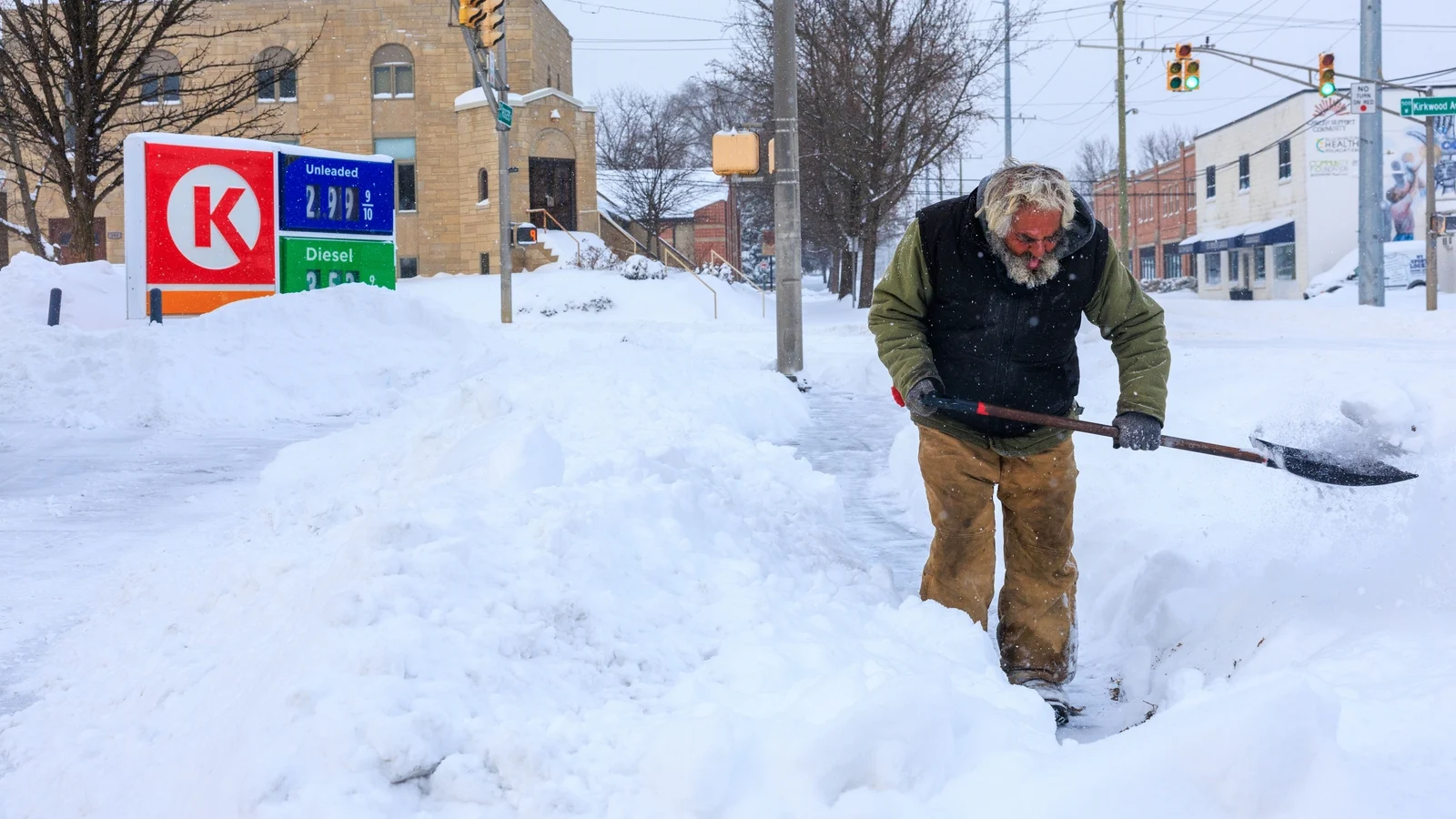
From Manhattan’s frozen puddles to Chicago’s frosting rooftops, the storm coated the familiar in unfamiliar texture. Trees bowed under ice, limbs cracking like old vinyl records, while city workers fought to keep lanes passable. In small towns, church basements opened as warming centers with volunteer casseroles and donated blankets set out on rows of folding chairs.
The Cold Mechanism: Polar Vortex and the Debate Around It
Behind the weather was a stretched polar vortex—normally a compact ring of Arctic air that sometimes loosens and spills frigid conditions southward. Meteorologists have increasingly linked disruptions in these patterns to a warming Arctic, though not all scientists agree on the scale or causality.
“The polar vortex is like a rubber band. When it snaps, the cold spills out,” explained one climatologist familiar with the phenomenon. “Climate change can make those rubber bands behave differently—more erratic. But it’s still a complex system with natural variability.” The conversation between immediate, record-setting cold and long-term warming trends is messy; it doesn’t fit neatly into soundbites.
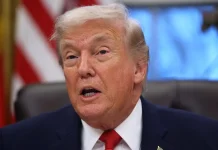
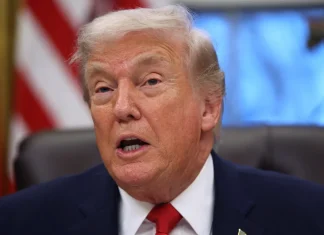
President Donald Trump, sheltering at the White House, reacted on Truth Social: “We will continue to monitor, and stay in touch with all States in the path of this storm. Stay Safe, and Stay Warm!” and later asked rhetorically, “Whatever happened to global warming???” Such reactions underscore a broader public confusion about how short-term extremes relate to long-term climate trajectories.
Human Stories: Small Acts, Great Courage
On the outskirts of Memphis, an EMT named Shari pulled off the road to hand a freeze-stiffened man a thermal blanket. “I couldn’t leave him there,” she said. “You see the headlines—then you see a single person shivering on a bus bench and you know the numbers are faces.” In New York, shelter workers reported surges of people seeking refuge from the cold. “Our intake doubled overnight,” one shelter manager said. “Blankets ran out faster than we expected.”
Stories like these reveal an uncomfortable truth: weather mortality often maps onto social vulnerability. People experiencing homelessness, older adults on fixed incomes, and households without adequate insulation or funds for emergency heating are disproportionately at risk.
What This Storm Asks of Us
So what should we take from a weekend when ice brought the South to a shudder and the North to a freeze? First, that resilience is not evenly distributed. Second, that infrastructure—both physical and social—matters. Third, that climate conversations must bridge the immediate and the abstract.
Consider these facts:
- At least 11 people died over the weekend across multiple states.
- More than 840,000 customers experienced power outages, with Tennessee alone reporting over 300,000 affected.
- Flight disruptions topped 19,000 cancellations; more than 20 states declared states of emergency.
- Wind chill lows in parts of the northern plains and upper Midwest were forecast to plunge to around -45°C (-49°F), where frostbite can arrive within minutes.
Small Actions, Big Influence
There are practical things communities and individuals can do now: open warming centers, prioritize restoring power to critical facilities like hospitals and elder-care homes, and expand outreach to people sleeping outdoors. On a personal level, checking on neighbors, keeping emergency kits handy, and heeding official weather advisories save lives.
Here are a few simple reminders many communities are sharing:
- Stay off the roads unless travel is essential.
- If you lose power, use generators outdoors and never run them in enclosed spaces.
- Look in on elderly neighbors and those with mobility issues.
- Tune into local emergency channels and watch for updates from the NWS.
Looking Ahead: A Warming World That Gets Colder Sometimes
Weather will always have a way of humbling us. But these events also ask larger questions: Are our grids robust enough for extremes? Do our cities protect the most vulnerable? How do we translate the science of shifting atmospheric patterns into better planning and more humane emergency responses?
When the thaw finally comes, there will be a tally: repairs to roofs and power lines, insurance claims, and, tragically, lives that cannot be returned. But there will also be lessons, hard-earned and practical. Can we use them to build systems that keep people warm and safe, no matter what the sky does next?
As you read this, what would you do if your heater failed tomorrow? Who would you call? Whose doorstep would you check? The storm asked those questions of a nation this weekend—and the answers will shape how we weather the next one.