Under the Same Sky: Drones, Missiles, and a Gulf on Edge
By dusk, the Arabian Gulf softens into a band of liquid gold—fishing dhows cutting silhouettes against an oil-smudged horizon, minarets striking the evening air with the call to prayer. Yet beneath that ordinary beauty a new rhythm pulses: the ping of radar, the hum of drones, the distant rumble of intercepted strikes. For people who live along these shores, the geopolitical headlines are not abstract; they arrive as blips on a captain’s screen, lost cargo, and the impossible calculation of whether it’s safe to sail tomorrow.
In recent months, strikes by missiles and armed drones have stitched a thin, dangerous line across the Gulf and the Red Sea, closing off calm lanes and turning global supply chains into maze runners. Ports that once slumbered now host armed convoys and emergency meetings. Markets twitch at the slightest change in navigational advisories. And ordinary lives—fishermen, truckers, shopkeepers—are being dragged into strategies and counter-strategies they never asked for.
What’s Happening—and Why It Matters
To understand the gravity, imagine that a significant portion of the world’s oil and shipping lanes are funneled through corridors the size of backyard rivers. The Strait of Hormuz and Bab al-Mandeb are not just local waterways; they are critical capillaries of the global economy. Estimates over recent years have suggested that, at times, around a fifth to a third of seaborne oil trade depends on these passages, and countless container ships ply these routes carrying everything from electronics to grain.
When missiles and drones start striking in and around these waterways, the ripples are immediate. Insurance premiums for shipping jump. Freight is rerouted—adding time and cost. Fuel prices fluctuate in distant markets, and hotel managers in port cities nervously ask captains whether the next ship will come in.
“We’ve been in this sea for thirty years,” said Captain Ahmed al-Hariri, a merchant navy veteran based in Aden, sipping black coffee in a crowded port café. “Now you watch the radar not just for weather but for things that don’t carry fishermen. You cannot run your life on a forecast when the sky itself can become a weapon.”
Who’s Involved
The picture is messy and layered: state and non-state actors, local grievances, and a broader contest for influence across the Middle East and beyond. Various Iran-backed groups have long used drones and rockets as an asymmetric tool, while some governments see naval actions as necessary to secure trade. International coalitions occasionally respond with their own strikes or increased patrols. The result is a choreography of escalation and restraint.
- State-aligned militias and insurgent groups using low-cost drones and rockets to strike shipping or military targets.
- Regional powers focused on showing deterrence—sometimes by escorting convoys, sometimes by striking back.
- Commercial interests—shipping companies, insurers, and ports—trying to keep trade moving despite the hazards.
“This isn’t just about missiles hitting metal,” said Dr. Laila Mansour, a security analyst who studies maritime threats. “It’s about changing the norms of naval engagement. Drones are cheap, anonymous, and hard to attribute quickly. That lowers the bar for conflict and raises the cost for everyone who depends on open seas.”
On the Ground (and On the Water)
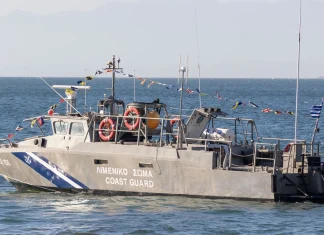
Walk a port at daybreak and you’ll feel the tension threaded through business-as-usual. A man in a fluorescent vest leans over paperwork stamped by customs; a family unloads crates of mangos; a boy runs after a soccer ball. At the same time, loudspeakers from a nearby naval base issue advisories, and a patrol boat sits like a sentinel just offshore.
“We try to keep life normal,” said Fatima, who runs a tiny grocery near a shipping yard in the Gulf city of al-Khobar. “But when the siren goes, everyone stops. You see mothers cover their children’s ears, men head for basements. Normal is what you do until it isn’t.”
Local traditions and rhythms are also being altered. Fishermen in Hormozgan province in Iran told me they now avoid certain nighttime haunts where drones have been sighted. In the Horn of Africa, dhows that used to bring spices and fish to Yemeni markets have changed routes to avoid suspected strike zones, adding days to journeys and shaving thin margins from livelihoods.
Human Costs, Not Just Economic Ones
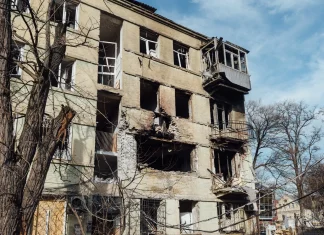
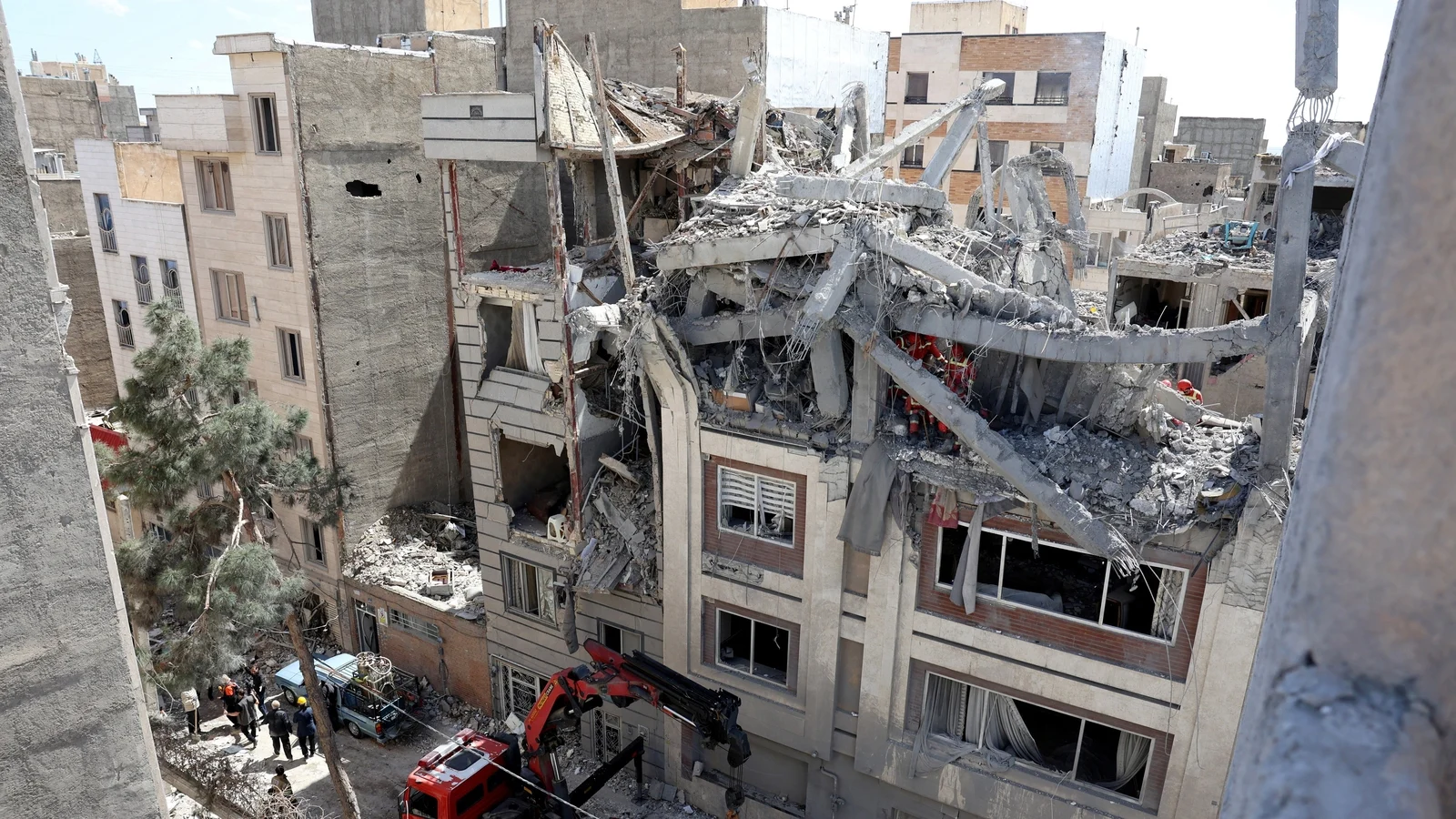
Beyond the markets and the data, lives are disrupted. Seafarers face the stress of navigating contested waters; their families wait anxiously at home. In coastal towns, tourism dwindles when advisories spike. And in places where strikes hit closer to shore, civilian casualties and infrastructure damage amplify grievances, feeding cycles of anger and retaliation.
“My cousin worked on a tanker,” said Noor, a schoolteacher in Dubai whose brother’s friend was injured in an incident last year. “He came home with glass in his face and dreams that stopped. You see it in people—uncertainty, a heaviness. That’s the part that doesn’t show up on a commodities chart.”
Technology, Strategy, and the New Rules of Engagement
Drones have democratized reach: small, cheap platforms can carry explosives hundreds of kilometers. Missiles—ballistic and cruise—carry a different kind of threat. Combined, they upend traditional naval calculations. Harbors that once felt out of reach become targets. Convoys must adapt. Navies deploy new countermeasures: electronic jamming, layered air defenses, and collaborative patrols.
“This is a 21st-century chessboard,” said Commander Rachel O’Neill, a retired naval officer who now advises shipping firms. “You have to think about speed, attribution, and proportionality. Strike back too hard and you risk widening the war. Do nothing and you invite more attacks. The calculus is brutal.”
What the World Is Watching—and Missing
The headlines often focus on the immediate: a ship struck, a convoy redirected. But the deeper story is systemic. The globalization that lifted billions out of poverty also created fragile supply chains dependent on a handful of strategic chokepoints. Climate change, shifting trade patterns, and technological proliferation mean the risks are not going away.
So what should we watch for? Keep an eye on policy shifts that alter the incentives—diplomatic moves, arms-control talks specific to drones, or international agreements on maritime security. Pay attention to economic signs: rising insurance costs, rerouting of container lines, and spikes in commodity prices. And listen to local voices—fishermen, port workers, and traders—because they see the cascading effects before a report does.
A Moment for Reflection
When you read about strikes in the Gulf, imagine the dhow at dawn, the call to prayer, the small shop on the quay. Imagine a child who once wanted to be a sailor now deciding it’s too risky. Wars that use drones make civilians out of everyone in the theater.
What if we began measuring security not only by deterrence and armaments but by the resilience of communities, the diversity of supply lines, and the strength of diplomatic frameworks? Can global trade be safeguarded without turning seas into open battlefields?
These are hard questions with no easy answers. But if this period teaches us anything, it’s that security and commerce are as intertwined as tide and shore. The skies over the Gulf may calm, only to refocus in another region. The task for leaders and citizens alike is to imagine futures where the hum of drones isn’t part of a business forecast—and then to work, painstakingly and creatively, toward that calmer horizon.
“We are used to storms,” Captain al-Hariri told me as lights blinked across the harbor, “but storms pass. This—this feels like a season you must learn to live through. I hope we learn quickly how to end it.”