A Dutch court on Monday sentenced a Rwandan-born Dutch man to life in prison for inciting and taking part in the massacre of about 3,000 Tutsis during the 1994 genocide in Rwanda.
“Only a long life imprisonment would be appropriate. So that’s the punishment we will impose,” the presiding judge said while delivering the verdict.
“We’re talking about war crimes and genocide in this case,” the judge added.
Prosecutors said the man — identified only as Eugene N. — helped fuel the violence by going on what they described as a “rampage of looting and destruction” before the killings, including setting homes on fire and stealing property.
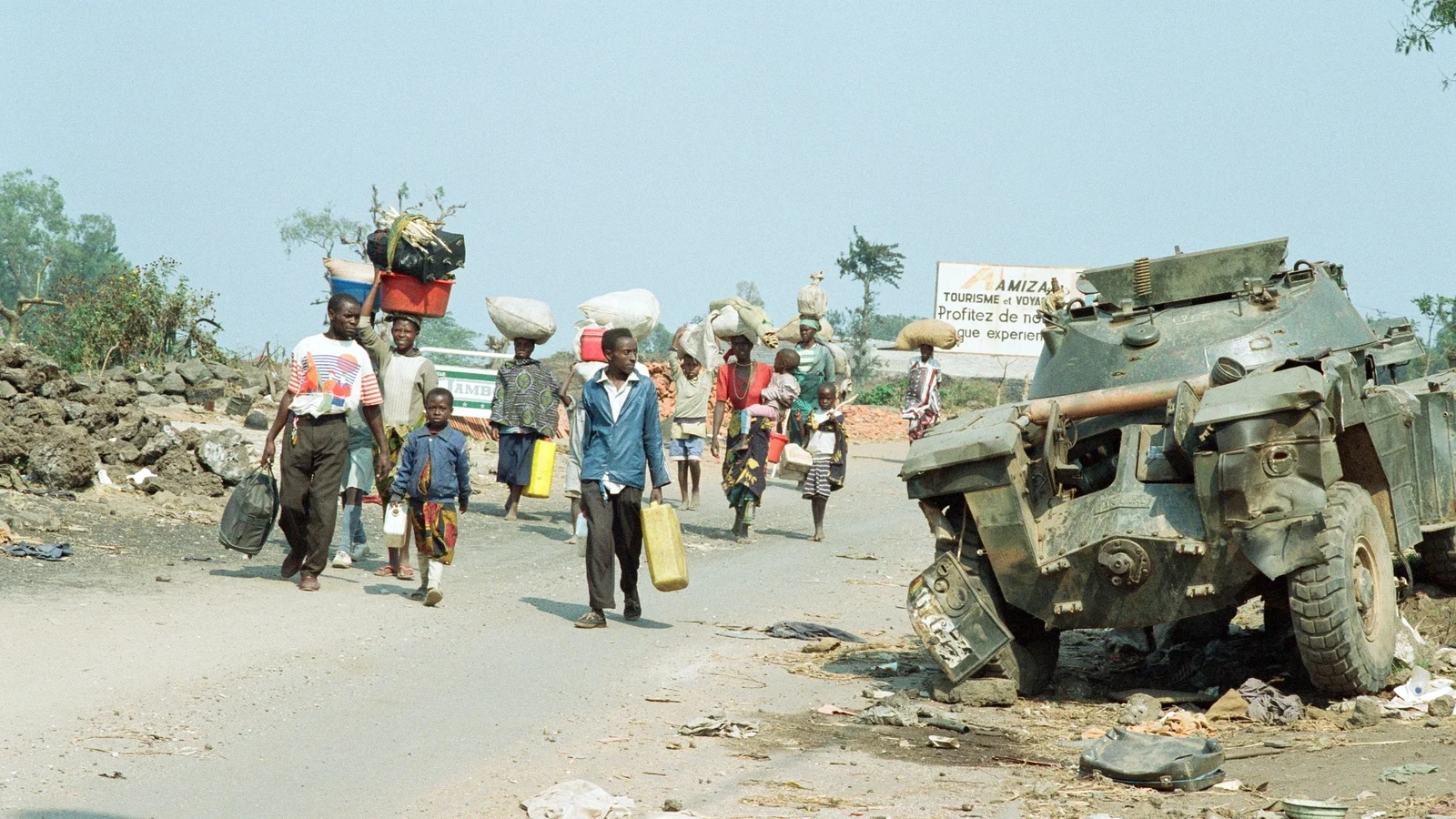
They told the court that in April 1994, as attacks spread, frightened residents fled to a football stadium in Mbazi in southern Rwanda, hoping it would offer safety. Instead, prosecutors said, those who gathered there were systematically slaughtered.
Investigators concluded Eugene N. was “personally involved” in the killings, prosecutors said, urging the court to impose the maximum penalty and keep him behind bars for the rest of his life.
“If the horrific crimes of the suspect, in which not one but an estimated 3,000 innocent people were literally slaughtered, in which the suspect personally threw a grenade into a stadium … do not deserve a life sentence, then what does?” one prosecutor asked during hearings in June.
The genocide in Rwanda in 1994 killed an estimated 800,000 people in roughly three months.
UN figures say most of those murdered were from Rwanda’s Tutsi minority.
Eugene N. rejected the accusations, portraying himself as a survivor who lost dozens of relatives in what he called “those horrific events”.
His lawyers sought acquittal on all counts, insisting their client did “everything to prevent the genocide”.
“The case has torn his scars open again. He is a broken man,” one defence lawyer told the court.
Eugene N. fled to the Netherlands in 1998.
Rwandan authorities later issued an international arrest warrant for him in 2014.
But Dutch law bars his extradition because he has obtained Dutch nationality.
Dutch prosecutors launched their own investigation in 2020, interviewing dozens of witnesses in Rwanda, and Eugene N. was arrested in 2024.
Across Europe, courts have tried and convicted several dozen people over their alleged roles in the Rwanda genocide, relying on universal jurisdiction — a legal principle that allows prosecution of the gravest crimes even when they were committed abroad.