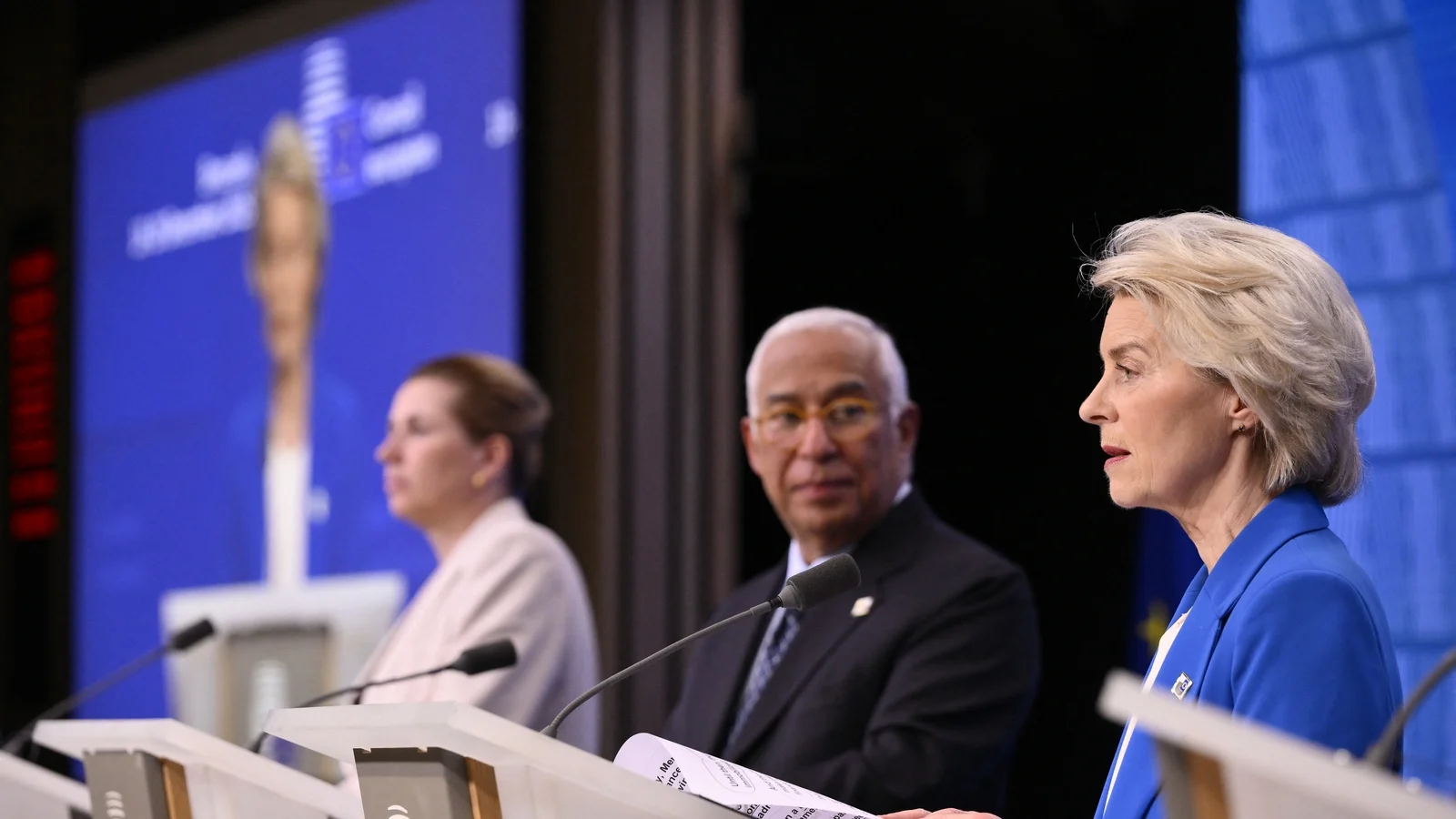
In the sleeping heart of Europe, a deal that was almost different was made
It was past midnight in Brussels when the final papers were signed — or, more precisely, when tired leaders nodded and staffers began to type the language that will be parsed for months to come.
For more than a day, negotiators at the European Council huddled, argued, and ran legal scenarios late into the night. The outcome: a €90 billion loan package to keep Ukraine running through 2026–27. What did not happen is almost as important as what did. The summit stopped short of the bold, politically fraught option of underwriting long-term Ukrainian reconstruction using tens of billions in immobilized Russian assets sitting in European accounts.
Two pathways to the same urgent problem
When the summit opened, the math was stark and simple: the EU estimates Ukraine will need roughly €135 billion over the next two years to keep its government, social services and defense functioning. A cash crunch could begin as early as April. Leaders were wrestling with two paths to avert that cliff.
- Option one: raise debt on international markets, a joint EU loan backed by untapped funds from the EU’s seven‑year budget framework.
- Option two: repurpose frozen Russian assets — estimated by EU officials at up to €210 billion — as a kind of capital pool to underwrite Ukraine’s long-term financing.
Both choices carried political and legal landmines. Calling on frozen Russian securities would have answered a visceral, moral argument: Russia’s aggression has generated the damage — why should Russian capital remain untouched while Ukraine pays the bill? But it would also create a legal minefield: could a future arbitration award in favour of Russia be enforced against EU member states or the entities that hold those assets, such as Euroclear in Belgium?
Belgium, Euroclear and the legal question
Belgium, which hosts Euroclear — the securities depository that holds the bulk of these frozen Russian bonds and equities — insisted on iron‑clad guarantees. “We cannot expose our institutions to a catastrophic legal liability,” an EU official confided. “Belgium wanted a guarantee that if some improbable legal reversal happened, they would not be left holding the bag.”
Technical teams worked through the night to draft indemnities and contingency clauses. They dreamed up insurance schemes, legal shields and backstops. Yet the essential problem remained: you cannot entirely rule out a determined legal challenge from Moscow, and Brussels was not willing to take open‑ended fiscal exposure for a single member state.
Compromise: money now, complicated questions later
In the end the leaders pivoted back to the route they could agree on immediately — a €90 billion loan raised by joint EU borrowing backed by unused resources in the multiannual financial framework. That required concessions. A handful of countries that have been more conciliatory toward Moscow — including Hungary, Slovakia and, late in the day, the Czech Republic — agreed not to block the measure on the condition they would not be party to the joint debt mechanism itself.
“It’s messy, but it’s real money when real money is needed,” said an EU finance minister after the meeting. “We preserved the assets in frozen state and we agreed a mechanism where Ukraine is supported without putting a single EU treasury at unnecessary legal risk.”
Crucially, leaders also insisted the freeze remains firm. The phrasing is tight: the assets will stay immobilized, and if, in a post‑war settlement, Russia is required to pay reparations and does not, then Ukraine could use those funds as a means to repay the EU loan. That conditionality was deliberately engineered — a political signal that the assets are not being simply returned to Russia’s use.
Voices from Kyiv, Brussels and a café in the EU quarter
Ukraine’s President Volodymyr Zelensky thanked EU leaders in a post on X (formerly Twitter), writing that the €90 billion decision “strengthens our resilience” and that keeping Russian assets immobilized was “important”. He had lobbied hard for a direct use of those assets, arguing it was “moral, fair and legal” to use Russian resources to rebuild what Russian bombs destroyed.
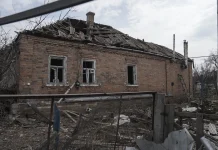
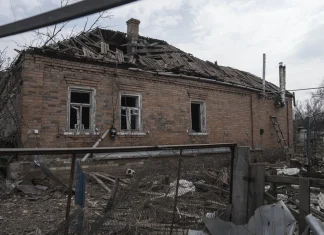
An aid worker from Kharkiv reached via video call said the deal was both relief and frustration. “This buys us time to keep hospitals open and salaries paid,” she said, voice low. “But we still feel the weight of the question: who pays for rebuilding lives, streets, schools? That’s not a technical question — it’s about justice.”
Outside the summit, a barista at a small café by the Berlaymont building folded his arms and shrugged. “I don’t want other countries’ money to be used as if it were free. If Russia destroyed it, they should be the ones to pay—but I’m glad we didn’t get into a legal mess,” he said.
German pressure, American timing
German Chancellor Friedrich Merz had been one of the leading voices pushing to make the asset option happen. “A decisive move would have sent a strong signal to Moscow,” he told colleagues, according to people in the room. Even so, Merz described the final agreement as “a clear signal” to President Vladimir Putin that Europe will not withdraw support from Kyiv.
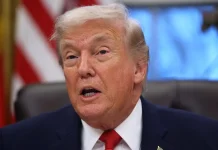
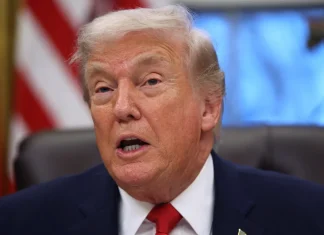
Complicating the calculus were parallel diplomatic efforts in Washington. U.S. President Donald Trump has been pushing for a quick breakthrough and has publicly urged Kyiv to move quickly toward an agreement he hopes will end the war. Trump’s comments — “I hope Ukraine moves quickly” — were alternatingly perceived as pressure to hurry and as a reminder of how geopolitics is shaping the timetable for both diplomacy and finance.
Legal precedents, moral stakes, and the economics of war
We are watching an unsettled new frontier: what happens to frozen sovereign assets when a state is accused of waging war? There are practical considerations — how will future investors view the safety of assets held in the EU? There are legal questions — can an occupier or aggressor ever win back frozen assets through arbitration? And there are moral dilemmas — is using frozen assets to rebuild the damage the right, and if so, how to do it without undermining the rule of law?
Experts warned that a reckless use of frozen assets could set a dangerous precedent. “Seizure or repurposing of sovereign assets needs an exceptionally robust legal foundation,” said a professor of international law in Brussels. “Otherwise you open the door to tit‑for‑tat seizures down the line.”
What does this mean for the coming months?
The immediate effect is practical: Kyiv receives a lifeline that pushes the worst of the fiscal cliff further out. The longer story is still being written. Will the EU convert this loan into grants later? Will the immobilized assets become the core of a future reparations mechanism? And how will the United States’ own negotiations with Ukraine — now intensifying in Washington and Miami — intersect with Europe’s approach?
As leaders dispersed — some to planes, others to domestic politics — you could feel a rare mix of unity and unease. The deal shows a Europe capable of moving when pressed; it also underscores the hard trade‑offs that modern geopolitics forces democracies to make.
So, what do you think? Is this a cautious, responsible compromise — or a missed moral opportunity to make Russia directly pay for destruction? The answer depends on whether you value legal certainty over moral symmetry, and whether you believe that keeping the rules intact now strengthens the possibility of justice later.
For a people living under bombardment, the technicalities are less abstract: salaries paid, food on shelves, lights in hospitals. For the 27 member states, the calculus is about precedent, unity and the long shadow that the war will cast over European institutions for years to come.
Either way, Brussels will remain a stage where legal theory, moral outrage and raw political power meet — usually after midnight.