When Money Becomes Justice: Europe’s Gamble on Holding Russia Accountable
The Hague soaked in a pale, northern light as delegations drifted through the tall glass doors of the conference center—flags snapping softly in a cold wind that tasted faintly of the North Sea. It felt, for a moment, like an ordinary diplomatic day. Yet beneath the polite handshakes and flash of cameras lay a radical experiment: can Europe turn frozen foreign wealth into a tool for justice and reconstruction?
On one side of the story stands a blunt moral argument: Russia breached international law when it sent its forces into Ukraine in 2022, and therefore it should bear the financial burden of repairing what it wrecked. On the other side are knotty legal questions, fractious politics within the European Union, and a pragmatic worry often heard in smaller capitals from Riga to Lisbon: who ultimately pays the bill if frozen assets can’t be turned into reparations?
Sanctions as a Moral Compass — and a Lever
In Brussels, Ireland’s Minister for European Affairs, Thomas Byrne, framed the debate in stark terms. “Sanctions are a means, not an end,” he said, voice steady. “They tell us where the line is—who chooses aggression over law. As long as foreign territory is occupied, the measures should remain.”
The sentiment is widely shared across the EU: support for Ukraine is not a seasonal position but a structural commitment to a rules-based world. The sticking point is how to translate principle into practice. One of the boldest proposals on the table would convert up to €210 billion of frozen Russian assets into a long-term loan for Ukraine’s military needs, economic stabilization, and the daunting reconstruction ahead.
That figure—€210 billion—has become a kind of Rorschach test. To supporters, it is overdue justice: frozen assets destined to underwrite roads, hospitals, and homes. To skeptics, it is a fiscal liability and a legal labyrinth, one that could expose the EU to accusations of expropriation or open the door to protracted litigation in multiple jurisdictions.
From Registers to Reparations: Building the Machinery of Accountability
In The Hague, President Volodymyr Zelensky joined EU leaders to unveil a new legal instrument: the International Claims Commission for Ukraine. It’s not a flashy courtroom drama; it is painstaking administrative labor—a body designed to sift through the Register of Damage, which has cataloged tens of thousands of individual claims since the full-scale invasion began.
“This Commission is where the paperwork of war meets the paper trail of restitution,” said Maria Kovalenko, a Ukrainian lawyer who has been helping families file claims. “It will be slow, it will be frustrating, but it gives each person a ledger entry: your loss is counted; it matters.”
The Commission is intended as an administrative and fact-finding mechanism: not a tribunal to try generals, but a practical route to channel compensation. A portion of the proposed Reparations Loan would be allocated specifically to meet these validated claims—payouts for destroyed homes, lost livelihoods, and the unnamed losses of entire communities.
Politics in the Corridors: Brussels, Berlin and the Weight of the US
Yet the mood in Europe is not uniform. Behind closed doors, diplomats talk about “sensitive members” and “last-minute wrangling.” A handful of states remain hesitant about the Reparations Loan, worried about legal precedent and the message it sends to voters back home who worry about their own fiscal cushions.
France, for one, has been vocal: “We want robust security guarantees for Ukraine before any conversations on territorial concessions,” an adviser to President Emmanuel Macron told journalists after talks in Berlin. The import of that stance is clear—France is signaling that security guarantees and territorial integrity are two separate, non-negotiable pillars in any future agreement.
At the same time, the US role looms large. Recent proposals from Washington—described by some participants as initially more favorable to Russian demands—have been reworked in the face of pushback from Kyiv and European partners. “There’s been heavy diplomatic traffic,” said an EU official who asked not to be named. “The contours of any deal are changing in real time.”
Legal Hurdles and the Taxpayer Question
Converting frozen assets into reparations presents thorny problems. Legal scholars point out that most of those assets are tied up in complex ownership chains and frozen under national sanctions regimes. Turning them into loans or reparations would require unanimous political will, novel legal frameworks, and heavy internal consensus—all while Russia continues to litigate and to demand its own narrative of legality.
“Any time you propose to repurpose sovereign assets, you set off alarms in chancery courts,” explained Dr. Elena Martín, a specialist in international financial law. “There will be injunctions, appeals, and a marathon of legal contests. But precedent matters. If Europe can do this properly—transparently, with robust safeguards—it could set a new playbook for dealing with state-sponsored aggression.”
Meanwhile, politicians in capitals across Europe are balancing moral urgency with domestic accountability. “We have to be responsible to European taxpayers,” Minister Byrne said. “There’s a lot to be spent in Ukraine. It’s right that Russia should foot the bill, but we must protect our own citizens from undue risk.”
Beyond Money: What This Means for the Global Order
This debate is not only about euros or euros-and-cents. It is a test of whether the international system can evolve to hold states to account for large-scale aggression in a world that is increasingly multipolar and legally messy.
Some see a positive precedent in the works. “Imagine a future where aggressors cannot simply pocket transnational assets with impunity,” offered Anya Petrova, a Kyiv-based human rights activist. “If reparations become a tool, it’s a material deterrent. War becomes not just costly in lives but it becomes costly in your balance sheets.”
Others warn of unintended consequences. Could this path push states to hide assets more creatively? Could it harden Russian public opinion and reduce incentives for negotiation? Could it fracture the unity that the EU needs to hold the line?
Questions to Carry Home
As you read this, consider these strains: Is justice best served by immediate recompense, even if it complicates diplomatic settlement? Are sanctions a stopgap until courts deliver verdicts, or should they be transformed into instruments of reconstruction now?
And perhaps the most personal question: if the rule of law means anything, should a nation that chose the path of aggression be allowed to rebuild on the backs of the very people it attacked?
What Comes Next
This week, EU leaders will press their shoulders to the wheel in Brussels. The Reparations Loan remains controversial, but its proponents are determined. The International Claims Commission in The Hague is now operational in name, if not fully staffed or funded. Work on a Special Tribunal to hold political and military leaders accountable is underway, a separate but complementary track.
Whatever the outcomes, Europe is sketching new lines in international practice: how to convert frozen wealth into reparative tools, how to keep sanctions tethered to territorial realities, and how to balance compassion for victims with prudence for taxpayers. None of it will be neat. None of it will be fast.
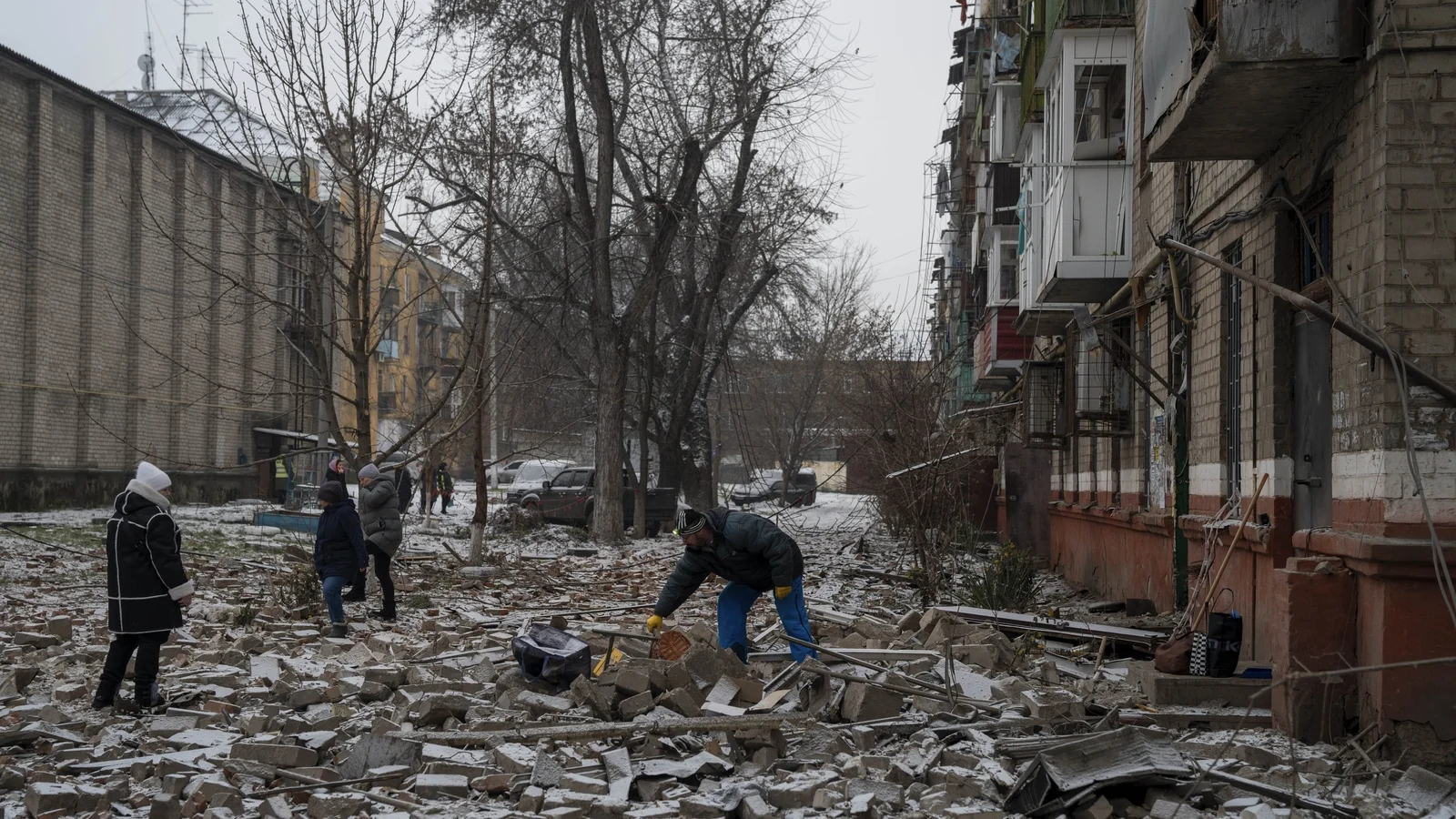
But there is a human core to these abstractions: the families whose villages were burned, the small-business owners who returned to rubble, the children whose classrooms no longer exist. In their names, leaders across Europe are, finally, trying to use the instruments of statecraft to answer an old question—who pays when war breaks the world?
- Key figures: up to €210 billion proposed for a Reparations Loan; the Register of Damage has recorded tens of thousands of claims since 2022.
- Mechanisms: International Claims Commission (administrative claims), potential Special Tribunal (criminal accountability).
- Main tensions: legal hurdles, member-state reservations, taxpayer protection, security guarantees versus territorial questions.
Will frozen money become a bridge to repair—or a new battleground? The answer will shape not only the future of Ukraine, but the rules that govern us all. What would you do if the question landed in your legislature: justice now or stability first?