Under the Olive Trees: How a Subsidy Scandal Is Shaking Greece’s Political Heartland
There is a specific hush that falls across a Cretan plateau at dusk. Goats bleat from low stone terraces, the last light gilds an ancient olive tree, and the smell of wood smoke rides the wind. It is the kind of landscape that has lured politicians and poets alike — and, as this year’s biggest political controversy shows, also the attention of auditors and prosecutors.
What began as a dry, technical investigation into European farm payments has become a story about power, trust, and the fragile seam between rural tradition and modern statecraft. The European Public Prosecutor’s Office (EPPO) — the EU body set up in 2021 to combat fraud against the Union’s budget — has widened a probe that now touches dozens of people in and around Greece’s ruling New Democracy party. As of the latest count, prosecutors are scrutinizing 20 politicians; they have formally asked that the immunity of 11 members of parliament be lifted to allow criminal proceedings. Seven other public figures were newly named as persons of interest, and state news agency ANA confirmed two more MPs under suspicion.
The scheme, in plain language
At its bluntest, investigators say, the scandal involves people claiming EU agricultural subsidies for land they did not own or for livestock that did not exist. In some cases, payments flowed to people with no evident link to farming. The EPPO first flagged irregularities last May; by October, raids and arrests had punctured the relative quiet of Greek politics. Farmers who play by the rules have watched their own payments get held up while auditors sift through files — a humiliation for hardworking producers and a blow to fragile rural incomes.
Numbers and stakes
These are not trifling sums. The EU’s Common Agricultural Policy steers tens of billions of euros to Europe’s farmers each year; while the CAP’s seven-year budget runs to the hundreds of billions for 2021–2027, direct payments alone typically total in the tens of billions annually. In this case, prosecutors say the network in Greece may have channeled “tens of millions” of euro in improper subsidies. For a small-scale olive farmer on Crete, that amount could fund dozens of harvests.
“We’re talking about money that was meant to keep fields alive, terraces maintained, and families fed,” said Elsa Kouris, an agricultural economist at Athens University. “If those funds are siphoned off, the damage is twofold: immediate financial harm to legitimate farmers and a broader erosion of public trust in European institutions.”
Crete at the center
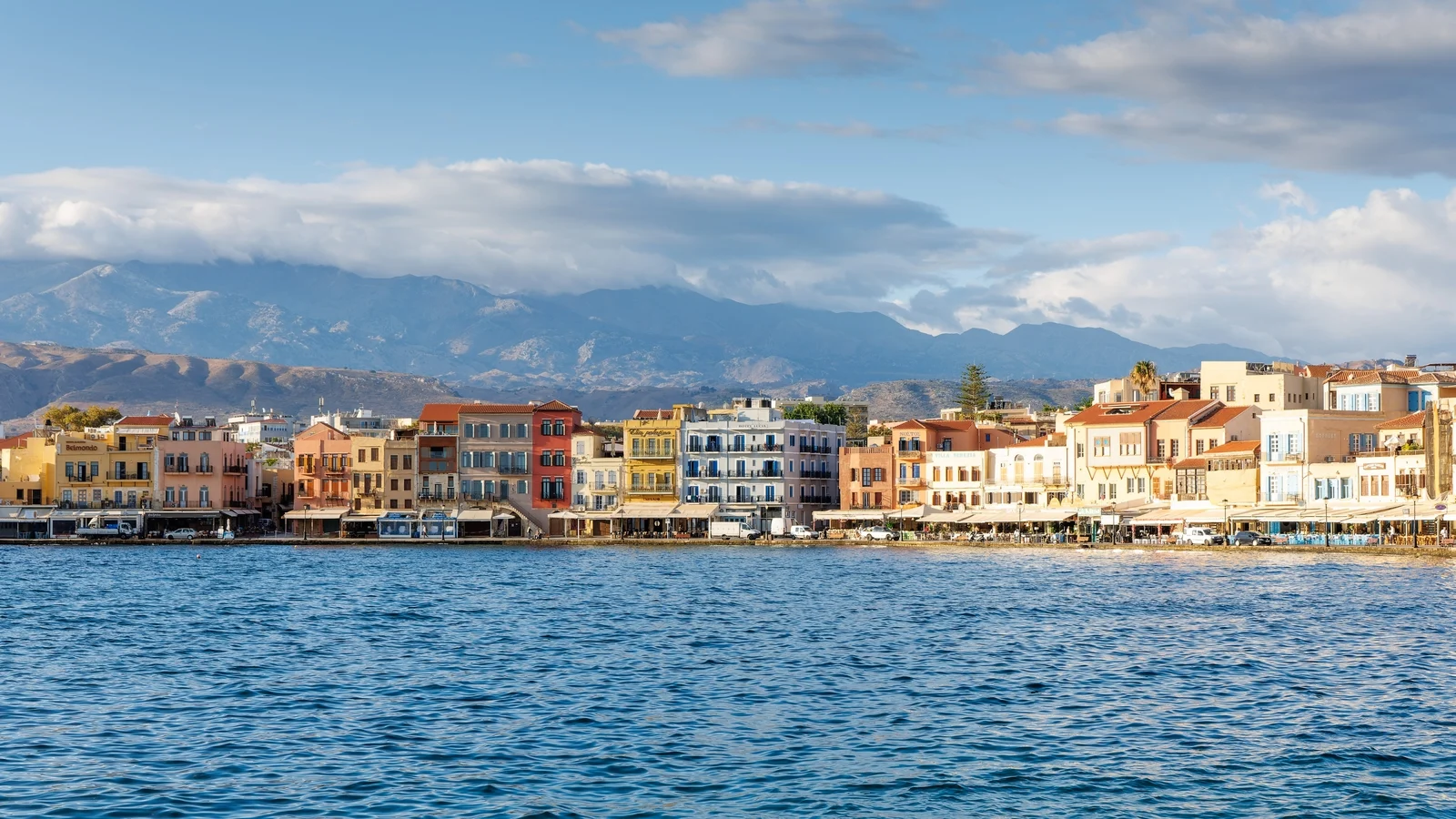
Most of the allegedly misdirected payments were concentrated on Crete — an island where family ties and patronage patterns have woven through local politics for generations. The Mitsotakis family, to which Prime Minister Kyriakos Mitsotakis belongs, has long roots in Crete. That proximity, real or perceived, has made the story a lightning rod for opposition anger and popular unease.
“People here like to say Crete is a country in an island,” joked Giorgos Antonakis, who runs a kafeneio in Heraklion and sells raki by the glass. “But when your name gets dragged into something like this, it’s not funny.”
Across villages, conversations have turned from planting schedules to legal briefs. A woman who asked to be identified only as Maria, who tends four hectares of olive trees outside Rethymno, summed up the exasperation: “We’ve always been small, honest, late to collect money sometimes, but we never forged documents. Now everyone thinks we cheat.”
Politics, prosecutions, and the countdown to elections
The political stakes are immediate. Opposition parties have demanded resignations from any ministers or officials under investigation and have used the scandal to accuse the government of lax oversight. Prime Minister Mitsotakis has pushed back, insisting that much of the alleged wrongdoing predates his administration (he took office in 2019) and promising that the “thieves” will be held to account and the funds recovered.
“We will not tolerate those who steal from the common good,” Mitsotakis told reporters in a terse briefing. “Where there is evidence of criminality, the law will be applied.”
Yet words and investigations are different things. Media outlets report that the prime minister is considering a reshuffle to remove ministers under scrutiny. With national elections due next year and New Democracy leading in opinion polls but not tipped to win an outright majority, every seat — and every reputation — matters.
Voices from the street and the courtyard
Local reactions have an instinctive candidness. “The worry is not only who took the money,” said Nikos Charalambous, a retired teacher in a village west of Chania. “It’s how easy it seems to be. That’s the alarm bell. If our institutions fail to stop even this, what else slips through?”
At the same time, some defend the accused, warning against a rush to judgment. “There are family names and histories here,” said Eleni Papadopoulou, whose son works seasonally on a neighboring farm. “Sometimes things look worse from outside — documents misfiled, names mixed up. We must let justice do its work.”
Why the EU is watching — and what it means beyond Greece
The EPPO’s involvement is more than a legal curio: it reflects an EU effort to police the continent’s money flows. The office, based in Luxembourg, explicitly told reporters it could confirm an ongoing probe but would not disclose names. “I can confirm that,” said Tine Hollevoet, an EPPO spokesperson, “however, I will not confirm any names.”
This is part of a larger European conversation about how to safeguard public funds while ensuring that rural development programs reach the people who need them. Around the continent, anti-fraud units track dishonest claims, and many countries have faced similar scandals, from fake farm grants to phantom livestock.
What does that mean for ordinary Europeans? It’s a reminder that the systems we rely on — subsidies for food security, climate-friendly farming transitions, rural development programs — depend on both good rules and good enforcement. If either is missing, the consequences ripple out: communities lose income, trust dissolves, and democratic faith frays.
Quick timeline
- May (previous year): EPPO first flags irregular subsidy claims in Greece.
- October: Police raids and arrests; farmers’ payments delayed amid investigations.
- Most recent: EPPO now probes around 20 politicians; immunity-lifting requests for 11 MPs.
Questions that linger
There are political questions and human ones. Will the investigations change voters’ minds next year? Can the government recover the funds and restore faith in the system? For the smallholders in the hills of Crete, the more immediate question is how to harvest olive oil and make payroll while answers come slowly.
And there’s a broader, philosophical question: how do prosperous democracies balance local traditions, political families, and the impersonal machinery of European governance? Is oversight from Brussels a necessary corrective, or does it feed narratives of distant control that populists can exploit?
As the sun sets again over stone walls and olive groves, the fundamentals remain stubbornly simple: people want a fair shot, honest officials, and a system that rewards work, not paperwork. Greece’s prosecutors are asking hard questions; the answers will tell us something about the health of public life here and across Europe.
What would you do if your community’s livelihood was held up while investigators sorted the truth? It’s a question worth holding — because beyond the headlines are livelihoods and landscapes that depend on how we answer it.