Beirut’s Smoke and Silence: When Diplomacy Scrambles to Hold Back the Rain of Fire
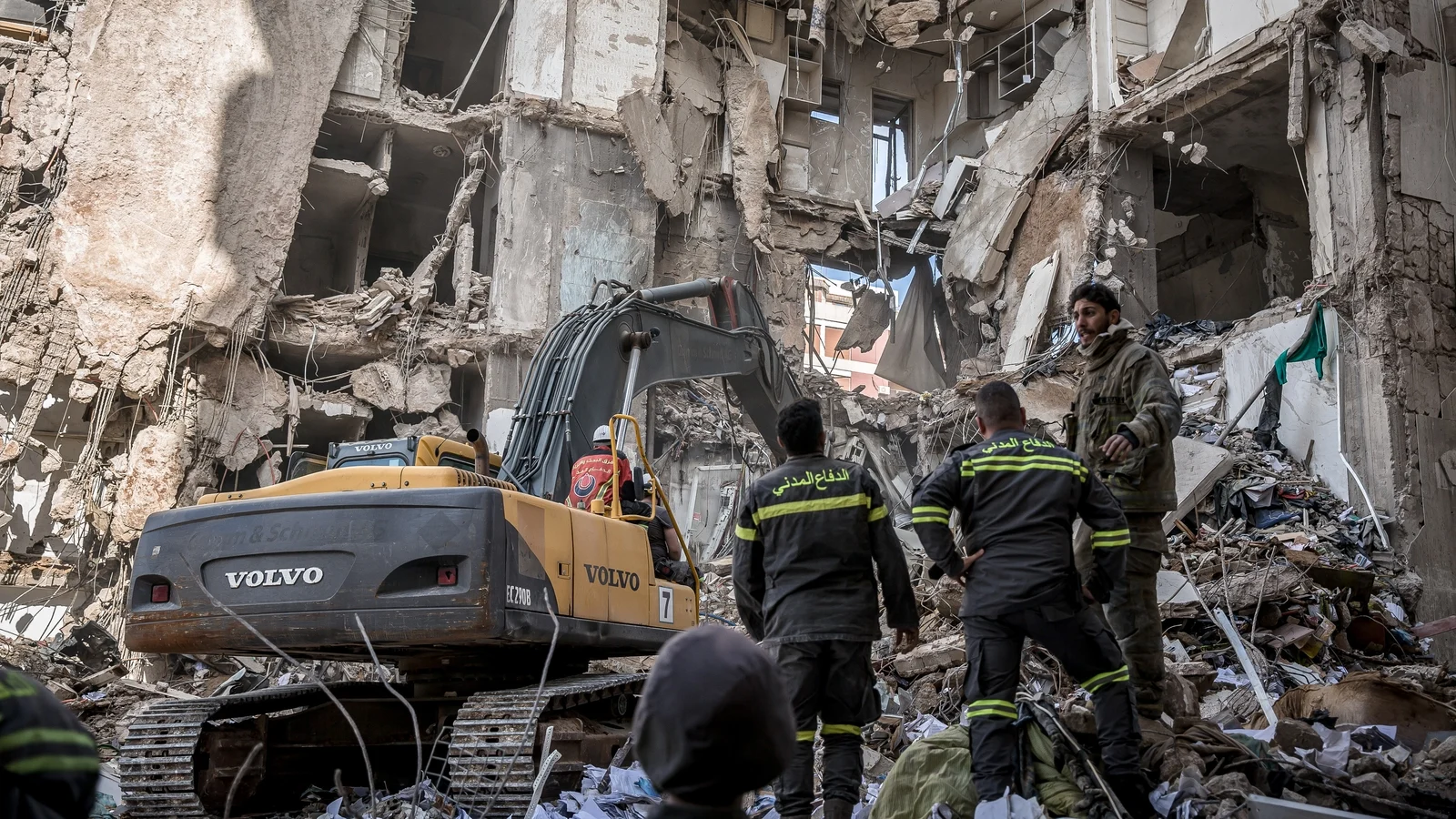
There is a particular kind of quiet that follows an air strike—the kind that is not peaceful but stunned. In Beirut, that silence has been threaded with sirens, the clumped footsteps of volunteers, and the low, persistent hum of generators powering hospitals that have become front-line sanctuaries.
In the days after a devastating wave of strikes that Lebanese authorities say killed more than 300 people, the city feels like a wound being tended in public. Streets that were once full of the clatter of cafes and children’s games now host makeshift triage tents, and a plume of smoke still curls over neighborhoods in the south. “We are exhausted but we are not defeated,” said Samar, a volunteer from the Jnah district, wiping soot from her hair. “We carry the dead like we carry the groceries—one at a time, because there is no other way.”
Pressure from All Sides
Behind the scenes, diplomats from Europe, the Gulf states and Egypt have been quietly—but urgently—pressing Israel to refrain from further strikes on Beirut, according to a Western diplomat involved in the conversations. “It’s not a simple phone call,” the diplomat said. “It’s an intense stream of messages: the hospitals, the civilians, the airport road—everybody keeps repeating the same plea.”
Those pleas follow warnings issued by the Israeli military that large, densely populated southern neighborhoods could face renewed strikes. The threat sent a wave of panic through communities and targeted strategic arteries: the road leading to Beirut’s only international airport, and areas that house major hospitals.
“We have been assured by several foreign missions that access to the airport and the road will be maintained,” said Fayez Rasamny, Lebanon’s public works minister, a note of both relief and caution in his voice. “But assurances do not always keep shells from falling.”
Hospitals on the Edge
Rafic Hariri University Hospital, the country’s largest medical facility, was among the buildings that received explicit assurances it would not be targeted. Mohammad Zaatari, its director, described the scene as controlled chaos. “We have around 450 patients across Rafic Hariri and Al-Zahraa hospitals in the southern districts,” he told aid groups. “Forty of those are in intensive care. Moving them is not simply a matter of carrying a stretcher down a corridor.”
The World Health Organization publicly urged Israeli forces to call off evacuation warnings for the Jnah district, stressing that the district hosts critical medical infrastructure and hundreds of vulnerable patients.
Lebanon’s Southern Front: Fire and Response
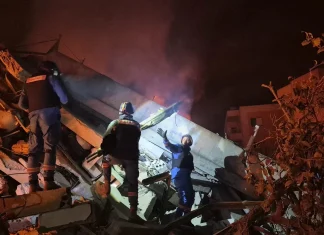
Beyond Beirut, the night has been long for villages in southern Lebanon. Small towns like Habbouch, near Nabatiyeh, showed the physical cost: gutted buildings, scorched facades and firefighters scraping at smoldering rubble. An AFP photographer who visited the site captured scenes of volunteers passing buckets of water and rescuers searching for those still missing under the debris.
On the opposing side, Hezbollah has claimed rocket launches into northern Israel and strikes against advancing forces along the border. “We were forced to react,” said a Hezbollah spokesperson in a terse audio statement. “We will protect our people and our land.”
Displaced and Disoriented
Roughly one in five Lebanese residents in affected areas have fled their homes since the conflict escalated—an abrupt, bitter displacement that has reawakened memories of past wars. Families cram into relative’s apartments, municipal halls, and school gymnasiums made into temporary shelters. “We take what we can carry—our children, the telephone charger, and the old photograph albums,” said Karim, who left a burned-out home in the south. “Everything else is ash or memory.”
The Strait of Hormuz: A Chokehold on Global Energy
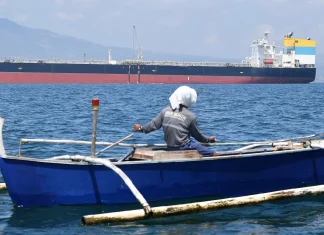
While the bombardment in Lebanon has drawn the world’s eyes, another consequence of the regional conflict is playing out on the high seas. The Strait of Hormuz—through which about one-fifth of the world’s seaborne oil usually passes—remained effectively closed in the immediate aftermath, a chokehold that sent shockwaves through global markets.
Normally, some 140 ships transit the strait each day. In the first 24 hours after a fragile US-Iran ceasefire took hold, only a single oil products tanker and five dry bulk carriers made the passage. That scarcity pushed some refineries, especially in Europe and parts of Asia, to pay spot prices approaching $150 per barrel for immediate crude delivery—levels that reverberate quickly into markets and household pump prices.
U.S. President Donald Trump publicly chided Iran’s handling of the maritime agreement, calling it “not the deal we had,” even as Tehran insisted the truce should apply to Lebanon as well. The competing interpretations of the truce underscore how local battles can scramble international accords, and why crises in the Middle East ripple outward into consumer wallets worldwide.
Diplomacy under Lockdown: Islamabad Hosts Fragile Talks
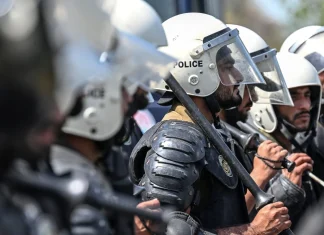
Against this backdrop, representatives from Washington and Tehran were due in Islamabad for what diplomats called the first direct talks since the conflict began. Pakistan turned its capital into a fortress: a 3km “red zone” around a luxury hotel, a hurried public holiday, and an air force escort planned for the incoming Iranian delegation led by Parliament Speaker Mohammad Baqer Qalibaf.
“This is a test of whether words can actually stop bullets,” said Dr. Leila Mansour, a political analyst based in Beirut. “Both sides come carrying grievances and a litany of demands. Whether the talks can rise above transactional bargaining and tackle root causes remains to be seen.”
What’s at Stake Beyond the Headlines
At issue are not only territorial or military gains. Iran has reportedly demanded the lifting of long-standing economic sanctions and a formal acknowledgement of influence over strategic waterways—moves that would redraw regional power lines. The U.S. insists on limits: forgoing further enrichment of uranium, giving up long-range missile capabilities, and cutting support to proxy groups such as Hezbollah.
Experts note the long shadow of previous negotiations. “These are not new issues,” said Jonathan Keane, a senior fellow at an energy and security think tank. “What’s different is the integration of kinetic warfare with economic warfare—blockades, sanctions, and the use of energy chokepoints as leverage.”
And then there is the most human ledger: lives lost, homes leveled, hospitals strained, children missing school. These are numbers that don’t show up in market reports but will shape politics for years to come.
Why Should You Care?
Because the turmoil of a single region can destabilize markets, create migration waves, and test the capacity of international institutions to keep civilians safe. Because a closed strait means higher prices at the pump in cities half a world away. Because the images from Beirut—soot on hands, a mother’s whisper over a sleeping child in a makeshift bed—are a stark reminder that wars are always lived at the level of street and home.
What would it take, you might ask, for diplomacy to outrun the guns? For now, the answer rests in fragile agreements, hurried meetings, and the weary persistence of people who stay to stitch their communities back together.
“We need more than promises,” Samar the volunteer told me, as she prepared another tray of tea for exhausted medics. “We need corridors, medicine, and a map that shows a future where our children sleep without sirens.”
As the smoke clears and negotiators gather, that simple wish—quiet, safety, and a return to ordinary days—remains the clearest measure of whether diplomacy will heal as war has harmed.