Providence in Shock: A Campus Mourns and a City Searches for Answers
On a crisp December morning that started like any other on the storied brick paths of Brown University, an ordinary rhythm of exams and hurried coffee cups was shattered by gunfire. Two students are dead, several more wounded, and a community that prides itself on openness and learning is grappling with fear and unanswered questions.
The victims—19-year-old Ella Cook and 18-year-old Mukhammad Aziz Umurzokov—are names now etched into the lives of classmates, friends, and professors. They are also reminders of the human lives behind headlines and statistics. “Ella had a laugh you could hear from the quad,” said a classmate who asked not to be named. “She led debates with a fierce kindness. This isn’t just a number.”
The Scene and the Search
Providence Police have released surveillance footage showing a person they believe is the gunman walking near the engineering and physics building hours before and minutes after the attack. In the clips, he is hunched in dark clothing and a mask—face obscured, posture distinct—moving through the College Hill neighborhood with measured steps.
“We’re confident the person captured on video is the suspect,” Providence Police Chief Oscar Perez told reporters, urging anyone who recognizes the gait, the bearing, or the jacket to come forward. “Sometimes it’s not a face that identifies someone, it’s the way they move.”
Investigators say the man was seen in the area as early as 10:30am local time—more than five hours before the shooting—suggesting the possibility of “casing” the site. A timeline compiled from residential cameras and a car dashcam shows the suspect walking near the building before reappearing on the same street three minutes after the shooting. Police have collected more than 200 tips and are methodically following leads.
Limited Footage, Lasting Questions
Inside the engineering building, surveillance was sparse. Officials say no internal cameras captured clear images of the shooter as the attack unfolded inside an unlocked classroom where exams were in session. The gun, police said, was a 9mm handgun. Students barricaded themselves in classrooms and hid under tables as officers swarmed the campus.
“It felt endless,” a student described later. “You could hear sirens, see lights, and all you could do was breathe quietly and hope.”
Lives Interrupted
Cook, described by friends as an energetic campus presence and vice president of the College Republicans at Brown, had worked summers scooping ice cream back home—small-town roots and big ambitions intertwined. Umurzokov, who had moved to the United States as a child and graduated near the top of his high school class in Virginia, had dreamed of becoming a neurosurgeon.
“Mukhammad was the kind of person who stayed after class to help someone with a problem set,” a former teacher said. “He volunteered, he studied, and he wanted to give back.” The family’s online fundraising page for funeral costs and medical bills read like a catalogue of loss: “He always lent a helping hand to anyone in need… Our family is incredibly devastated.”
Citywide Impact: Lockdowns, Anxiety, and Measures
The College Hill neighborhood, with its narrow lanes, red-brick facades and late-afternoon light, felt closed in the days after the shooting. Residents bolted doors and checked on one another. Brown University, which enrolls nearly 11,000 undergraduate and graduate students, canceled classes and exams for the rest of the term and doubled the staffing of its Department of Public Safety. Campus buildings now have tighter entry protocols.
“I walked past a small bakery and everyone was just staring at their phones,” recalled a local shop owner. “People came in wanting to talk, to cry, to know that someone else felt unsettled. This town is small—news moves fast, fear moves faster.”
Public schools in Providence remained open, though after-school programs were suspended as officials evaluated safety plans. Early in the investigation, authorities detained and later released a man in his 20s who was considered a person of interest. Rhode Island Attorney General Peter Neronha has urged patience: “We have zero evidence regarding motive at this point, but we’re pursuing every avenue,” he said. “This is painstaking work, but it’s going well.”
Injuries, Numbers, and a Larger Pattern
Beyond the two fatalities, eight students were hurt in the attack; seven remained hospitalized, with at least one in critical condition. These are not isolated data points but part of a broader pattern that has put gun violence at the front of national conversation. According to the Gun Violence Archive, there have been more than 300 mass shootings in the United States so far this year—defined as incidents in which four or more people are shot. Each of those tallies represents lives, families, classmates.
How do we reconcile schools—places of study and sanctuary—with a world where an unlocked door can become an entry point for tragedy? How do communities balance openness with security? Those are not easy questions, and they demand long conversations that stretch beyond immediate investigations.
Voices from the Community
“You don’t expect to be screaming at a professor that there’s someone with a gun in your building,” said a graduate student who taught a discussion section. “The trust is gone for a minute—maybe longer.”
City council members and university leaders have convened emergency meetings, offering counseling services and pledging transparency as the probe continues. “We grieve Ella and Mukhammad,” said a Brown administrator. “We will keep asking how we can keep our campus safe without closing it off from scholarship and civic life.”
What Comes Next?
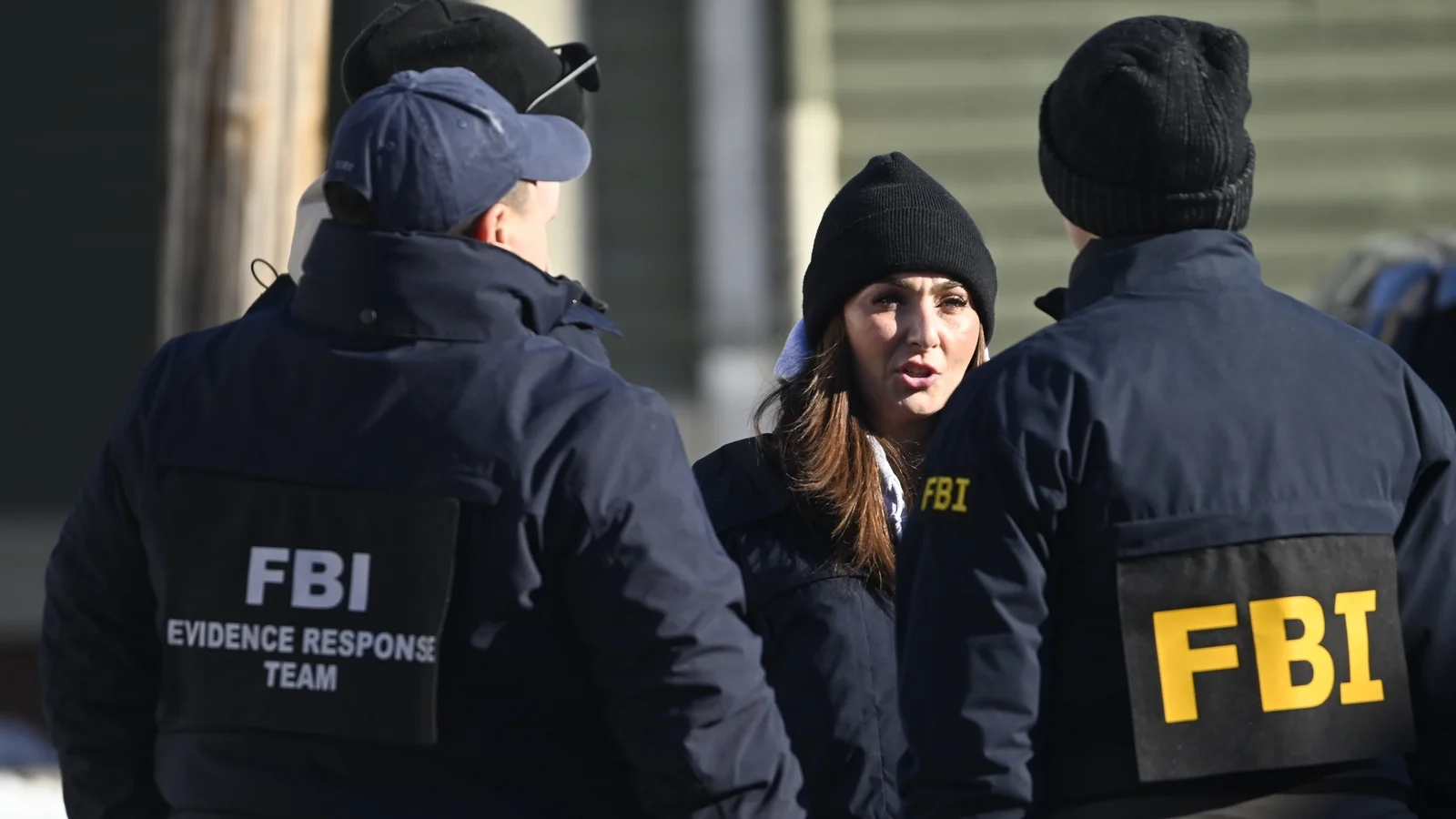
Investigators continue to review surveillance footage, phone records and witness statements. They are asking anyone who may have seen a person matching the suspect’s description—dark clothes, face mask, distinctive gait—to contact the Providence Police. The city has set up tip lines and is working with state and federal partners.
In the meantime, the neighborhood stitches itself back together—slowly, imperfectly—through vigils, study groups, and acts of care. Candles sit on windowsills; handwritten notes appear on the boards outside dorms. Students planned memorials and fundraising drives, not as a replacement for systemic change, but as concrete expressions of sorrow and solidarity.
Reflecting on Safety and Solidarity
What does safety look like in a university setting? Is it metal detectors and locked gates, or community programs and mental health resources that prevent violence before it happens? The questions are complex, and the answers are seldom singular. In the echo of sirens and the hush of campus rooms, the community is asking itself which parts of its open, civic life it is willing to trade to feel secure—and which parts it refuses to lose.
At a candlelit vigil, a student read from a notebook: “They took two of our lights. We will not let the darkness win their story.” The line landed like a benediction. It wasn’t a policy solution—it was a reminder that people are at the center of this grief and that, however the investigation proceeds, healing will require more than arrests and bulletins. It will require reading lists, counseling appointments, courtroom closures, and everyday acts of neighborliness—holding doors, sharing rides, listening.
As the search continues and investigators work through hundreds of tips, Providence waits. The video frames flicker on loop in newsrooms and in police briefings. The gait, the jacket, the shadowed face—small details that might lead to an answer. Until then: questions, memory, and a city trying to make sense of a December morning that became a test of resilience.
What would you want your campus or neighborhood to do differently tomorrow? How do we protect open places without losing the spirit that makes them alive? These are the conversations communities now must have—honestly, urgently, humanely.