The Night the Music Stopped: A New Year’s Tragedy in Crans-Montana
Crans-Montana is a place that trades on glitter — snow that catches the light, chalets with carved balconies, and the promise of a perfect New Year’s Eve at altitude. But in the small hours after midnight, beneath a ceiling that should have kept people safe, a routine celebration became a scene of devastation.
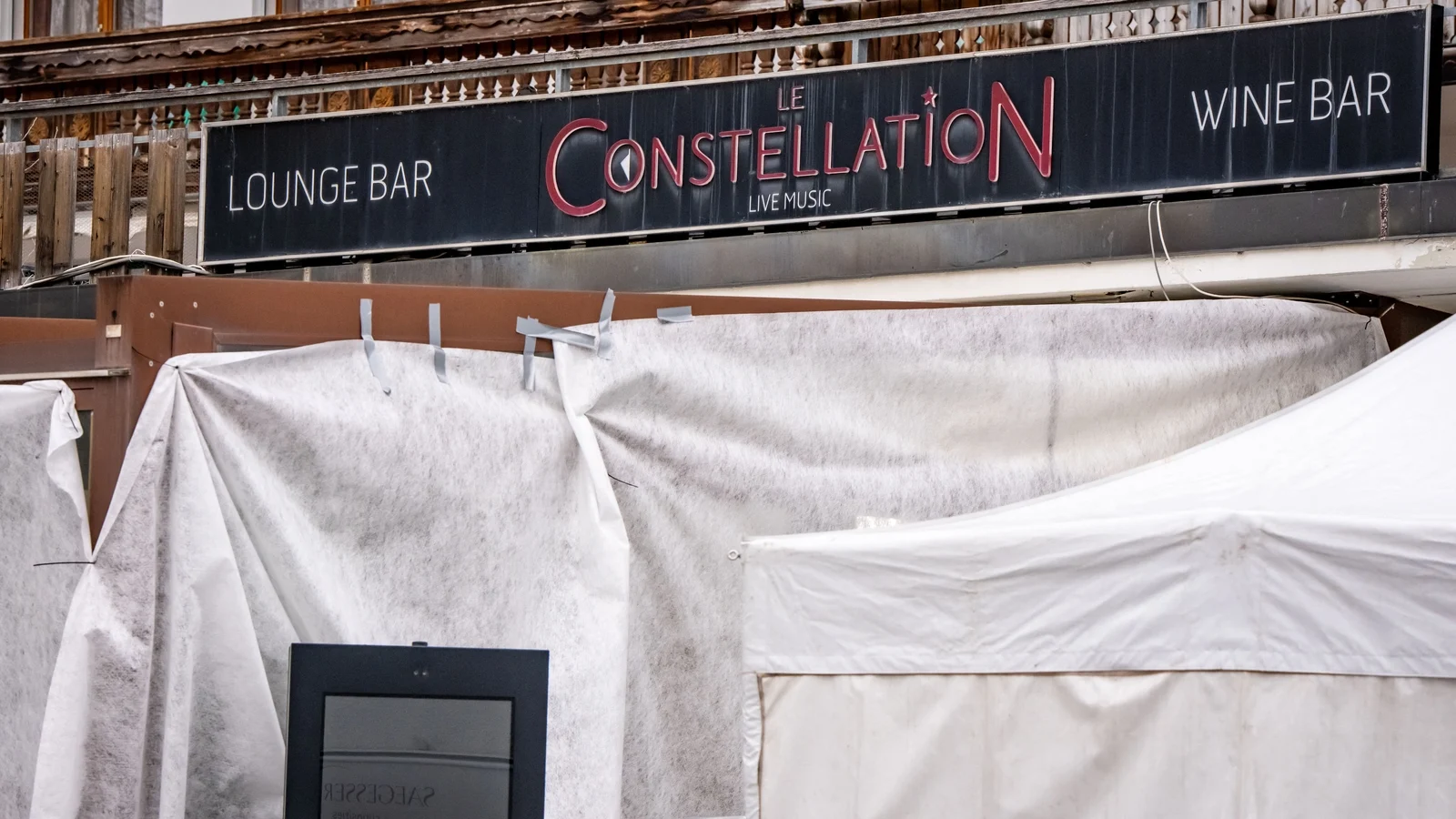
At about 1:30 a.m. on New Year’s morning, Le Constellation — a popular bar in the resort town — erupted in flames. What had been a long night of music, champagne and dancing turned into one of Switzerland’s darkest emergencies in recent memory. Officials say 40 people have died and 119 were injured; many of those hurt are critically ill. Authorities stress the totals are provisional but stark enough to make this a national catastrophe.
From Sparkles to Inferno
Initial findings point to a familiar — and deadly — party prop: fountain candles or so‑called Bengal lights perched on champagne bottles. Prosecutor Beatrice Pilloud told reporters investigators believe the sparklers were raised too close to the ceiling and ignited something there. “From that small flame, a rapid and widespread conflagration unfolded,” she said.
Witnesses’ accounts and social media footage uploaded in the panic show staff parading bottles with sparklers — a celebratory flourish that in an instant sent orange light skittering across the rafters. What followed was horror: smoke filling the room, people stumbling in the dark, others trying ineffectively to beat back the flames.
“We thought it was a little fire at first,” said Mathys, a neighbor who arrived on scene. “By the time we realized the danger, it looked like an apocalypse.”
Why the Fire Spread So Quickly
Investigators are not yet finished. Aside from the sparkler hypothesis, they are examining whether the ceiling’s insulation — possibly foam material — helped the blaze to leap and grow. If flammable materials in the structure accelerated the spread, questions about building standards, inspections, and enforcement will follow.
“We will determine if negligence played a role,” Pilloud said. That determination could have legal consequences for individuals and establishments, and it will certainly shape how mountainside nightlife is regulated going forward.
Faces Behind the Numbers
Numbers are necessary, but they cannot convey the human fracture left by the night. Families are waiting at hospitals. Parents sift through social feeds for the last picture, the last message. Funeral vans arrived in nearby Sion as authorities began the painstaking process of identifying victims — a task made harder by the severity of the burns. Officials are using dental records and DNA and warn families that confirmation will take time.
“The uncertainty is unbearable,” said Laetitia, whose 16‑year‑old son Arthur is still unaccounted for. “I’ve been searching for him for more than a day. If he’s in a hospital, I don’t know which one. If he’s gone, I don’t know where they took him.”
Young people who were laughing on a slope the night before are now entangled in a cross-border emergency: of the injured, 113 have been identified so far. That list includes 71 Swiss, 14 French, 11 Italian, four Serbian nationals, and single cases from Bosnia, Belgium, Poland, Portugal and Luxembourg — a reminder of how international winter resorts are and how grief knows no borders.
Marco, a 20‑year‑old from Milan, waited outside the bar with a group of friends. “Twenty of us were supposed to be together,” he said. “Some are safe, some are hurt, and for others — nothing. No messages, no clues.”
Medical Response and International Support
Local hospitals were swiftly overwhelmed. Around 50 of the most severe burn victims were, or will be, transferred to specialized burn units in other European countries — Germany, France and Poland among them. The European Union and several national governments have offered medical cooperation. Polish Prime Minister Donald Tusk said Poland stood ready to admit 14 patients at Switzerland’s request.
Swiss authorities are coordinating with embassies to make sure families abroad receive consular help. President Guy Parmelin called the tragedy “a calamity of unprecedented and terrifying proportions” and ordered flags to be flown at half mast for five days.
Scenes of Quiet Aftermath
Outside Le Constellation, the street is somber. Police have erected white screens around parts of the site; candles and floral tributes line barriers where revelers once spilled onto the pavement. In nearby squares, small vigils formed as people struggled to make sense of the sudden loss. The Irish embassy in Bern lowered its flag in solidarity; other diplomatic missions are monitoring their citizens’ fates.
“You could feel the whole resort holding its breath,” said Eleonore, 17. “We’re posting pictures, calling hospitals, texting every person we know. It’s how you look for people now — in a world of phones and fear.”
What This Means Beyond Crans-Montana
This is not just a local story. It is a modern cautionary tale about how entertainment culture, safety standards and combustible building materials can collide with deadly results. Sparkler displays are common in nightlife venues worldwide. Foam insulation is common in building roofs. The deadly combination here prompts questions every city and resort should be asking.
Who bears responsibility when a celebratory prop becomes a weapon? How robust are safety inspections of nightlife venues? When do tradition and spectacle need to be reined in by regulation? And in our age of instant content, do viral party moments create new risks?
Policy debates will follow the investigation. For now, there is a different kind of work: comforting those who are grieving, treating the injured, and ensuring that families can find their missing relatives and get clear answers.
How You Can Help — and What to Keep in Mind
- For relatives seeking information: contact local embassies and official Swiss hotlines; authorities are coordinating lists of the injured and deceased but insist on verification before releasing names.
- Medical aid: European hospitals are accepting transfers for severe burn cases — coordination is underway through official channels, not social media.
- Solidarity: small vigils, donations to verified family support funds, and respectful sharing of verified information are immediate ways to help.
When Celebration Becomes Remembrance
There is a particular kind of sorrow when a night designed to welcome the future instead becomes a ledger of loss. In the quiet after the sirens, neighbors, families, staff and rescuers will carry memories of a bar where confetti used to fall and where people came together to start a year with laughter.
Have you ever paused to consider the unseen risks in spaces where we celebrate? In the shadow of Crans‑Montana’s tragedy, perhaps we will. For now, the priority is simple and humane: treat the injured, identify the lost, support those who remain. Only then can conversation turn to prevention, regulation and the small reforms that might prevent another night like this from ever happening again.
“We owe it to the victims to get the answers right,” Mathias Reynard, head of the Valais canton government, said. “That work must be done carefully because the information is so painful — and our duty to families is to be absolutely certain.”