Islamabad’s Quiet Storm: Pakistan Hosts the Highest-Level US–Iran Talks in Years
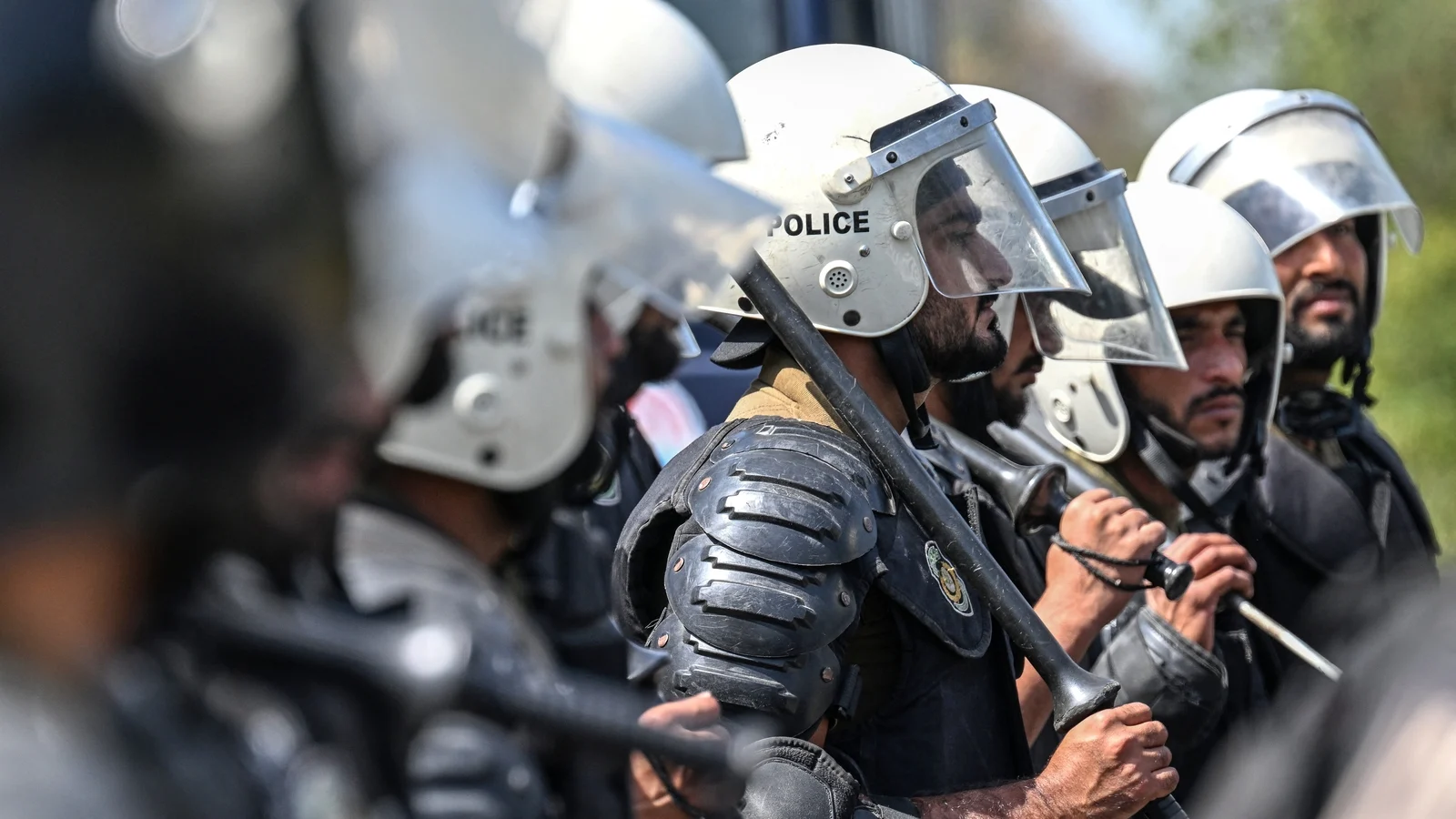
In a city of low hum and careful glances, Islamabad has become, for the moment, the world’s living room for a fraught conversation. Streets that usually spill with office workers and schoolchildren have been thinned to a polite hush. Security checkpoints sit like punctuation marks on every major avenue. The Serena Hotel—its fountains stilled and its lobby lit for a different kind of guest—asked visitors to leave, and the capital moved almost imperceptibly into a state of pause.
This is not a scene anyone expected. Pakistan—better known on global front pages lately for economic strain and internal security challenges—has quietly assumed the role of broker between two adversaries whose conflict has rippled across markets, capitals and coastal chokepoints. The task: turn a brittle two-week ceasefire into something more durable, and with it, steady the world’s oil markets and the nerves of millions.
Why Islamabad?
To outsiders, Pakistan’s emergence as mediator might look improbable. Dig a little deeper and the logic is clearer. Islamabad sits at a rare regional intersection: a Sunni-majority country with deep cultural and historic ties to neighbouring Iran, and longstanding strategic relationships with the United States, Saudi Arabia and China.
“Pakistan has one foot in each room,” said Dr. Farah Ahmed, a Lahore-based analyst who studies South Asian diplomacy. “That gives it a credibility others don’t have—especially right now, when trust is the scarcest currency.”
Iran was one of the first countries to extend recognition to Pakistan after 1947. The two share a border of roughly 900 kilometres, overlapping histories and substantial people-to-people ties. Inside Pakistan live an estimated 20 million Shia Muslims—one of the largest Shia communities outside Iran—adding social and religious links to the political calculus.
At the same time, Islamabad has invested heavily in relations with Beijing and cultivated ties with Washington. Pakistani officials say Chinese diplomacy played a catalytic role in persuading Tehran to accept a temporary halt in hostilities; Chinese Foreign Minister Wang Yi publicly endorsed Islamabad’s mediation. Whether Beijing or Islamabad did the heaviest lifting is a debate diplomats will have over tea for months to come.
The stakes: Strait of Hormuz and a shaken energy market
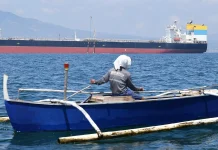
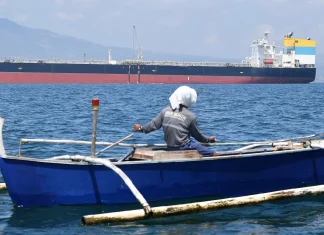
The immediate urgency is clear and measurable: the Strait of Hormuz. That narrow, glimmering thumb of water is, by some counts, the maritime valve through which roughly one-fifth of the world’s seaborne oil supplies pass. When missiles and diplomacy collide there, the consequences show up quickly at pump and port.
“When traffic through Hormuz was curtailed earlier this month, spot prices jumped and traders started pricing in long-term premiums for risk,” explained Leila Moreno, an energy analyst at the International Petroleum Institute. “Even a short closure can reverberate across markets for weeks.”
What’s at issue is not simply the flow of oil. The negotiators confront divergent, existential demands. Washington’s reported proposal—described in media accounts as a multi-point plan—targets restrictions on uranium enrichment, limits on long-range missile programs, concrete sanctions relief contingent on verifiable steps and guarantees for unobstructed navigation in international waters.
Tehran’s counter, according to sources briefed on the talks, isn’t a mirror image. It includes a demand for greater regional influence—control, or at least security assurances, over strategic waterways—an end to foreign military operations in neighbouring countries, and sweeping sanctions relief. Lebanon’s fate, especially in light of continuing attacks on Hezbollah targets, has become an unexpected and explosive sub-plot.
Who sits at these tables—literally and figuratively?
The two delegations will likely not meet in the same room. Officials say Pakistan will shuttle proposals back and forth, a method familiar from years of Oman-mediated indirect talks. On the American side, reports name Senator J.D. Vance as a senior political lead alongside diplomatic figures; on Iran’s side, parliamentary and foreign ministry heavyweights are said to be present. Pakistani ministers and security officials will be the host interlocutors.
“These are not ordinary conversations,” said retired Ambassador Tariq Hussain, who served in Tehran in the past decade. “They are layered—with public posturing, domestic politics, regional alliances and personal reputations all moving at once. That’s why neutral venues matter.”
Islamabad on the edge: life inside the Red Zone
For residents, the talks are a mix of spectacle and inconvenience. The capital’s Red Zone—home to the foreign ministry and government offices—has been locked down. Soldiers in crisp fatigues patrol with the same composure of men who have done this many times before. Traffic diversions turn commute times into riddles. Small businesses near diplomatic enclaves tape up shopfronts; a tiny chai stall by the Margalla Road hums nonetheless, serving men in uniform and diplomats alike.
“We make the same tea whether there’s a summit or a funeral,” said Aslam, a teahouse owner whose shop has served embassy drivers for years. “People need warmth. They need a place to think.”
Local shopkeepers talk about mixed feelings—pride that Pakistan is being trusted with such delicate work, and anxiety about what might happen if negotiations falter. “We want peace,” said Ayesha Khan, who runs a boutique selling embroidered shawls. “More than anything, we want normalcy—for our markets, our students and our children.”
What to watch for
- Whether the ceasefire is extended beyond the scheduled expiry—an immediate barometer of progress.
- Concrete language on the Strait of Hormuz: guarantees, patrol arrangements, or joint monitoring proposals.
- How Lebanon and Hezbollah are treated in any final document—this could make or break Iranian buy-in.
- Sanctions relief mechanics: will they be phased and verifiable, or an all-or-nothing demand?
Do you believe a neutral state can broker peace between rivals whose mistrust is older than many modern states? It’s a question diplomats will answer in whispers over days and weeks, and it’s a question citizens around the world already feel in their wallets and on their screens.
The broader picture here is about more than oil and territory. It’s about whether the architecture of regional diplomacy—small, discreet mediations, backed by regional powers and neutral hosts—can still work in an age of public, rapid spectacle. It’s about whether countries can choose negotiation over escalation when national pride and domestic pressures pull them toward brinksmanship.
For now, Islamabad waits. The fountains will begin again, the markets will return to their rhythms, and the city’s tea stalls will keep a pot warm for anyone who needs to talk. What matters most may not be the headlines of the next 48 hours but whether a fragile pause begins to harden into something more lasting—a negotiated order that keeps the lights on and ships moving, and that, in time, brings home those who have lost too much already.