Four months after the ceasefire: Peace on paper, rubble on the ground
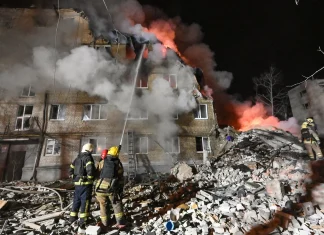
There is a strange, brittle quiet in the streets of Gaza that sounds like a promise someone has already broken. Shop shutters hang open; where paint once brightened facades there are layers of ash. Children dart between piles of rebar and smashed concrete, their laughter a thin reed of normalcy in a landscape that insists otherwise.
Four months ago diplomats signed a ceasefire and declared an end to open hostilities. On the world stage the moment was framed as a turning point—an end to the relentless cycle of bombardment and counterattack. But down at ground level the story has not ended with a handshake. The ceasefire, many here say, has the look of a truce on paper and a war in practice.
Violence persists: pockets of fury, a cascade of suffering
The United Nations and aid groups have tracked a grim ledger since the truce: more than 570 Palestinians killed and roughly 1,500 injured in the months that followed the ceasefire. Among the dead were at least 108 children and 67 women, according to UN estimates. Explosive remnants of war continue to take victims—33 explosive ordnance incidents have been reported, leaving nine dead and 65 injured.
“You could tell people there was a ceasefire. They might believe it,” said a UN protection officer speaking from Amman. “But belief doesn’t mend bones, it doesn’t put bread on the table, and it doesn’t keep a child from being killed by remnants of yesterday’s bombs.”
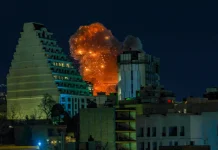
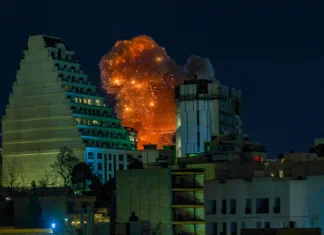
Some attacks have occurred close to the so-called “yellow line”—the narrow boundary where Israeli forces agreed to pull back. Others have struck much deeper into the enclave. A UN spokesman recently told reporters that the past 24 hours had seen renewed airstrikes, shelling and naval fire, including in residential neighborhoods where civilians shelter. Two Palestinians on bicycles were killed in a drone strike in a single day; for many families, that imagery has become unbearably familiar.
Humanitarian winter: food, fuel and faith running thin
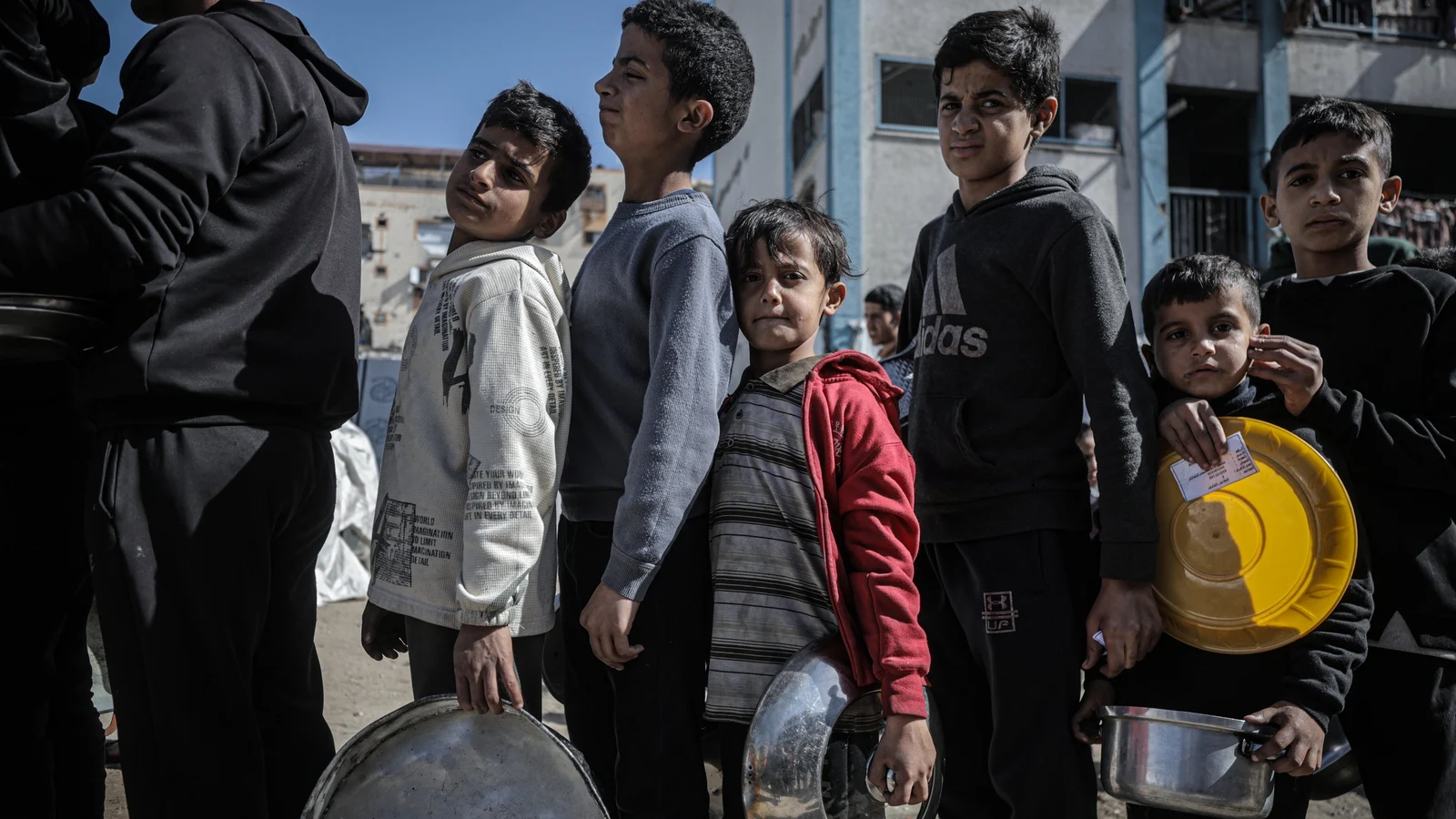
For the people living here, the immediate reality is less geopolitical theory and more daily survival. Winter has arrived on already fragile supplies. Humanitarian agencies describe conditions inside the enclave as “hanging by a thread”—food rations run low, medical supplies are insufficient and clean water is scarce. The opening of the Rafah Crossing to Egypt allowed some medical evacuations and family reunions, but did not change the broader calculus of shortages.
“We queue for bread and then wait again for water,” said Aisha, a mother of three who asked to be identified by a single name. “My children went to sleep in a room that smells like smoke. What peace is this, when you have to choose which child gets medicine?”
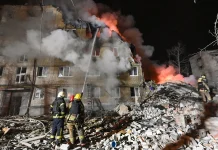
Beyond food and medicine, much of Gaza lies in ruins. Nearly 80% of buildings were damaged or destroyed over the course of the bombardment. Homes, schools, clinics—structures that once anchored daily life—now exist as blackened skeletons. Rebuilding will not be about reassembling bricks; it will be about restoring dignity and a sense of future that has been systematically eroded.
Politics in the palimpsest: reconstruction, control and competing blueprints
On the international stage, plans for Gaza’s recovery have taken a theatrical turn. A global “Board of Peace”—an umbrella body that promises to marshal funding, expertise and political support for reconstruction—has been presented with great pomp. Its advocates speak of “New Gaza” and “investment opportunities.” Yet several analysts and regional experts warn that the structure is shoddy, with overlapping committees, opaque lines of responsibility and no clear consensus on who enforces the rules or who will commit boots—or cash—on the ground.
“A plan without implementation is a brochure,” said Lina Haddad, a humanitarian analyst based in Beirut. “You can show beautiful maps and investor slides, but if you do not secure a political settlement, if you do not protect civilians and ensure humanitarian corridors, you are inviting a costly, hollow exercise in optics.”
One of the thorniest ingredients of Phase 2 of the deal is disarmament—how, if at all, weapons held by non-state actors will be addressed. Reports suggest elements within the Israeli military contemplate new operations to neutralize militant capabilities, while militant factions insist they will not disarm as a condition of a reset they distrust.
The West Bank: simmering unrest far from the headlines
If Gaza’s ruins are visible and visceral, the pressure cooker in the West Bank is quieter but no less dangerous. Settler violence and eviction orders have tightened the space for Palestinians, and last weekend’s announcement of new administrative measures to expand Israeli control over parts of the West Bank has been called a “de facto annexation” by Palestinian officials and condemned by much of the international community.
“The West Bank is at a boiling point and it is not getting the attention it deserves,” said a regional UN rights monitor. “That is a recipe for spillover that will be very hard to contain.”
In recent months, UN reporting has also documented at least 80 killings attributed to intra-Palestinian violence, including summary executions and feuds—troubling signs of the breakdown of rule of law in the absence of a functioning civil order.
Who will rebuild, who will protect—and who will pay?
Leaders at Davos and ministers in conference halls may speak of reconstruction as an opportunity for investors. Several countries, from Indonesia to Egypt and Turkey, have publicly discussed roles in a proposed international stabilisation force; Indonesia reportedly considered pledging troops for a force of several thousand. But questions remain: who pays for soldiers’ mandates, who provides equipment, and who ensures impartiality in a terrain of competing loyalties?
“You cannot parachute in peacekeepers and then walk away,” said a former UN peace operations adviser. “A mission needs a clear mandate, resources to protect civilians and a plan for long-term governance that Palestinians themselves can own.”
What does this mean for the two-state reality?
The broader political horizon—whether a two-state solution remains achievable—casts a long shadow. New settlement measures, declarations by hardline politicians, and administrative changes in the West Bank all feed a perception among Palestinians and many foreign governments that the path to an independent state is narrowing.
Can the world hold its moral attention long enough to shepherd a durable political settlement? Or are we watching the slow collapse of international norms where occupation, settlement expansion and administrative decrees quietly remap a people’s future?
What readers can take away
- Human cost: The UN records hundreds of deaths and injuries since the ceasefire, with children and women among the casualties.
- Material devastation: Roughly 80% of buildings in Gaza were destroyed or damaged during the recent wave of violence.
- Political uncertainty: Reconstruction plans are under debate, but responsibilities and funding remain unclear, while the West Bank edges toward further administrative changes.
Looking ahead: questions, choices, responsibilities
Ask yourself: when the cameras leave and the headlines move on, who will stay to pick up the pieces? Reconstruction, resettlement and reconciliation are not just engineering problems; they are political projects that require trust, transparency and time—three things that are in short supply.
People on the ground talk about more than aid shipments and blueprints. They speak of schools that need to reopen, of olive trees that must be replanted for future harvests, of the legal protections families require to keep their homes. “We want to sleep without hearing planes,” said Rami, a teacher who distributes learning packets from a tent classroom. “Is that too much to ask?”
There are no easy answers. But the alternative—abandonment, incremental dispossession and cycles of violence—asks every member of the international community a different question: will you be a witness, or will you be a partner in a real, hard, often thankless project of rebuilding lives and institutions?
For now, the truce is fragile, the rubble is real, and the people—so often reduced to statistics—keep living, hoping and asking for the basics: protection, dignity and a future. That, perhaps, is the clearest measure of whether we are truly at peace.