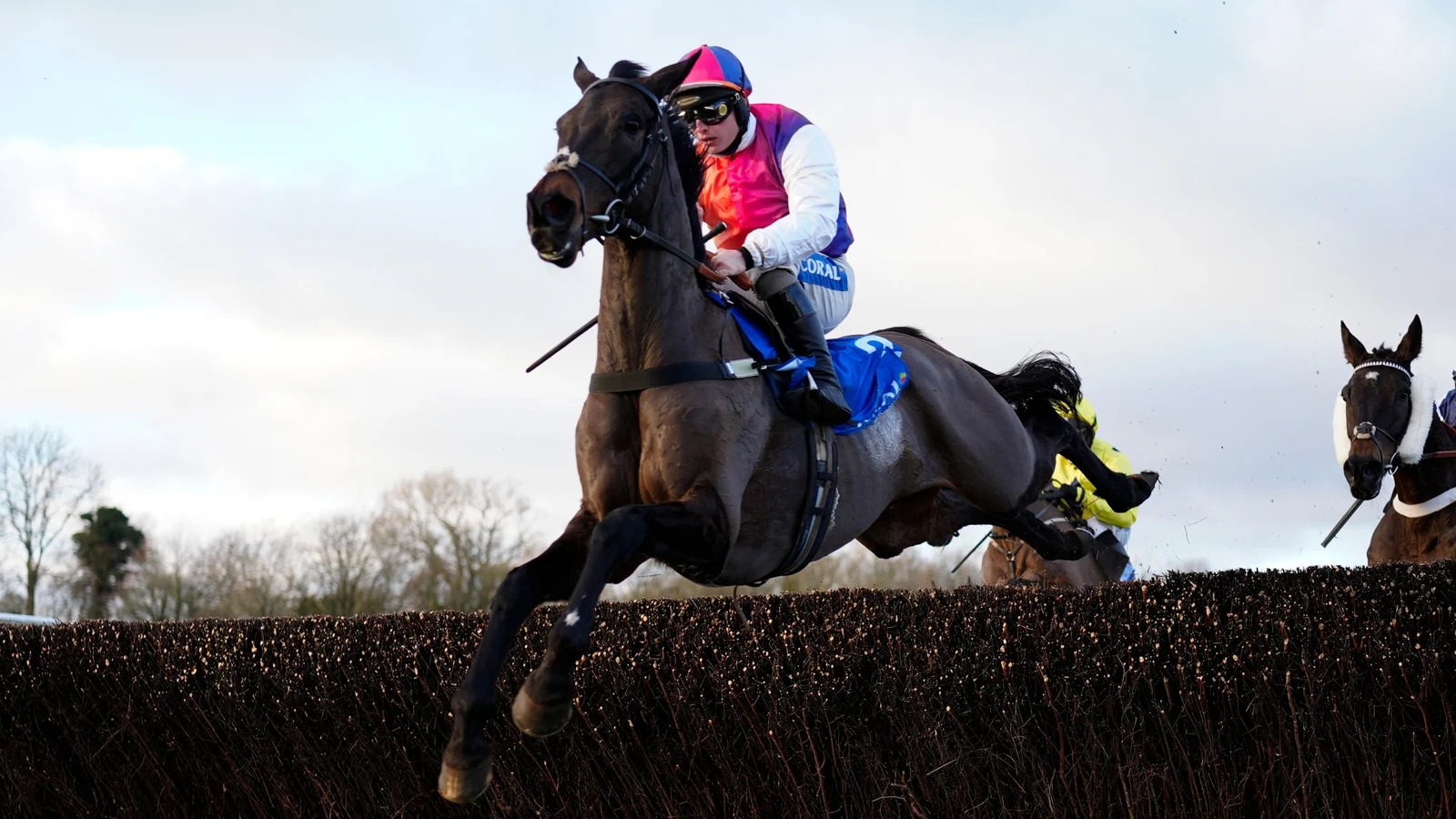
Aintree Dreams: Wales, Ireland and the Unfinished Business of the Grand National
There is a particular smell to Aintree race day: damp turf, frying chips, and the sharp tang of anticipation that hangs over the Melling Road. Flags flap. Families cluster under umbrellas. Somewhere, a radio catches the chorus of voices calling the runners as they parade. For many, the Grand National is less a race than a ritual — a four-mile, thirty-fence gauntlet that compresses hope, heartbreak and history into one wild afternoon.
This year the storylines are as vivid as the silks. At the center of one of them stands Haiti Couleurs, a broad-shouldered nine-year-old whose trainer, Rebecca Curtis, has a quiet, stubborn dream: to end a 121-year stretch without a Welsh-trained winner at Aintree. The last to do it was Kirkland in 1905; since then the Grand National has written legend after legend, but not that chapter.
Haiti Couleurs: Welsh grit and one trainer’s long shot
“He’s like a big warm-hearted pensioner of a horse, all honest limbs and good appetite,” Curtis says, laughing when she recalls the mornings at home in Wales. “We freshened him up after Cheltenham; didn’t overdo it. The Gold Cup came fast for him and I don’t think he enjoyed the speed. But give him a marathon and he finds his mind. He’s jumped well at home and he’s fit.”
If Haiti Couleurs gets loose on the run down to the Chair, it would be more than a sporting upset; it would be a small cultural earthquake. Wales, where point-to-pointers and pony clubs stitch together a close-knit farming life, rarely gets to claim Britain’s most notorious steeplechase. To Curtis and the small band of friends who travel with her, a win would feel like a homecoming.
Marathon type horses like Haiti Couleurs are built for this: stamina, patience and an appetite for big fences. The Grand National measures around 4 miles 2½ furlongs (about 4m 2f 74yds), and throws 30 fences at anyone bold enough to try. It plays out as much in the dark spaces between fences as in the hair-raising extroverts of the jump itself.
Second chances and long shadows: Johnnywho and Richie McLernon
There are redemption stories threaded through this field too. Richie McLernon still remembers the ricochet of emotion from Aintree in 2012 — the bitter near-miss on Sunnyhillboy, the agonizing seconds when Neptune Collonges and jump, and history, slipped away.
“You don’t forget being that close,” McLernon says, his voice steady. “To have another go, with Johnnywho, feels a bit like unfinished business. He handled Cheltenham well and he knows the place. It would be something special — not just for me, but for Jonjo [O’Neill] and A J O’Neill and the team.”
McLernon’s optimism is backed by a neat piece of sporting arithmetic: horses that stay and jump well often outstay class in a muddling National. Johnnywho is owned by JP McManus, the powerhouse owner whose colours have been carried to Grand National glory before. That combination, experience plus heavyweight patronage, changes the complexion of any field.
Young blood, seasoned hands: McManus and the next generation
If the Grand National is a village fete writ large, JP McManus is its benefactor. This year his team includes Johnnywho and the novice Oscars Brother, trained by a tiny yard run by Connor King. The romance of brothers — Connor training and his younger brother Daniel riding — is impossible to ignore.
“Oscars Brother has pace and a fearless nature,” Frank Berry, McManus’s racing manager, says. “He may not have the mileage of others, but what he lacks in experience he makes up for in heart. Watching those young brothers working together has been one of the loveliest stories of the season.”
Stories like theirs reflect a recurring theme in modern racing: the tension between tradition and apprenticeship. Trainers with small strings, like King, can now campaign on the same stage as the big yards thanks to careful planning, analytics and a willingness to travel.
The Irish vanguard: De Bromhead, Elliott and O’Brien
Across the Irish Sea, the campaign is equally fierce. Henry de Bromhead — who trained Minella Times to victory in 2021 — returns with multiple entries, including Monty’s Star and Gorgeous Tom. He is candid about the puzzle of the National.
“Monty’s done plenty of Grade One work and he just keeps showing up,” de Bromhead says. “Darragh had a choice between him and Gorgeous Tom — a nightmare decision. You weigh Grade One form against the peculiar demands of Aintree and make the best guess you can.”
Gordon Elliott, too, has his eye on the prize. A four-time National winner would put him in the company of the sport’s giants. His team — Gerri Colombe, Stellar Story and Favori De Champdou — is built on Aintree form and proven jumping ability.
“Gerri seems to be happier on the better ground; he schooled over the replica fences and looked quite composed,” says Robbie Power, racing manager for the owners. “It’s the sort of race where class can trump handicap numbers. You look for horses that rise to the moment.”
And Joseph O’Brien’s duo — Banbridge, the 2024 King George winner, and the unexposed Jordans — carry the sort of international credentials that modern flat and jumps racing now prize. “We’ve prepared Banbridge very carefully,” O’Brien notes. “Will he get the trip? That’s the question. But he has the rhythm and the class to be competitive.”
On the ground: weather, welfare, and the global gaze
Anyone who follows Aintree knows the weather can be a narrative engine. A turn to soft ground can transform a rank outsider into a dark horse; a dry track tempers stamina demands and favors nimble jumpers. Eddie O’Leary, speaking for Gigginstown, notes plainly: “The softer the ground, the better for Stellar Story. On a heavy strip it’s a different contest.”
Beyond turf lies a bigger conversation. The Grand National is broadcast to tens of millions around the world; it is a multibillion-pound betting spectacle and a touchstone for debates about animal welfare, the ethics of gambling, and the sustainability of traditional sports in a warming world. Trainers and owners point to advances in veterinary care and stricter regulations on course safety. Critics press for more radical change. Those tensions hum under every cheer from the stands.
Why we watch — and what we hope for
What draws a crowd to Aintree is not just curiosity about winners or the thrill of a last-minute plunge; it is the human arc. A Welsh trainer who will not be written out of the ledger; a jockey seeking redemption; two brothers hoping to share a moment that will define a lifetime. The National, for all its chaos, offers clarity: that sport is a mirror for risk, hope and community.
So what do you want out of the race? A triumphant underdog that makes history for Wales? A polished Irish invasion? Or a quiet, professional winner that simply gets the job done? Whatever your choice, the Grand National will give you a story — messy, incomplete, alive.
And when the flags fold and the crowds thin, the tales begin again. Who will tell the next one? Will Haiti Couleurs finally take Wales home? Will Johnnywho soothe an old wound? At Aintree, the answers come in a chorus of hoofbeats.