At the Crossroads: Why Iran’s Nuclear Story Keeps Coming Back
On a humid morning in Bandar-e Mahshahr, a port town on the Persian Gulf, a fisherman named Reza squints at the horizon where tankers drift like slow leviathans. “When the ships sit,” he says, rubbing his blistered hands, “my brother worries. No ships, no work. Politics is not supposed to touch our nets, but it always does.”
Reza’s anxiety is the human face of a much larger, decades-long drama: a collision between national pride, energy geopolitics, and the terrifying promise of nuclear force. For anyone watching the region—diplomats, traders, or shopkeepers—what emerges from the latest US-Israel-Iran confrontation will hinge on one stubborn truth: whatever agreement lies ahead will almost certainly revolve around Iran’s nuclear program, and it will echo the contours of the 2015 deal that once promised to quiet the storm.
Why the Past Won’t Stay Buried
The Joint Comprehensive Plan of Action—JCPOA—was born of exhaustion as much as diplomacy. After years of sanctions, covert operations, and near-misses, world powers agreed to limit Iran’s nuclear capabilities in return for a phased lifting of crippling penalties. For proponents, it was a feat: intrusive inspections, capped centrifuges, and strict limits on enriched uranium promised a decade-plus window during which Tehran could be monitored closely.
“It wasn’t a perfect essay, but it was an exam you could grade,” says Dr. Samir Khan, a non-proliferation analyst who watched the Vienna negotiations. “You had technical constraints, verification, money moving back into the Iranian economy. For a while, it worked.”
Work it did—until politics undid it. In May 2018, the United States withdrew, calling the agreement “a horrible, one-sided deal.” Sanctions returned like a winter freeze. Tehran responded by quietly pressing its nuclear program back toward capacities the JCPOA had checked. As the years slipped by, Iran ramped up centrifuges, narrowed the IAEA’s sightlines, and built a stockpile of enriched uranium that gave negotiators less leverage, not more.
Numbers That Matter
Here are the bare but vital figures that have shaped bargaining power on all sides:
- JCPOA limits: Iran would reduce its low-enriched uranium stock to about 300kg and restrict enrichment to 3.67% for 15 years, leaving a so-called “breakout” time of roughly 12 months.
- Post-withdrawal reality: Reports indicate Iran accrued several thousand kilograms of enriched uranium, with estimates of more than 9,000kg in total and around 440kg enriched to 60%—numbers that erode the previously comfortable buffer between Tehran and a weapons-grade threshold of roughly 90%.
- Maritime leverage: Nearly 20% of the world’s seaborne-traded oil moves through the Strait of Hormuz, which Iran has repeatedly threatened to choke off—turning a theoretical bargaining chip into a very public one.
Sovereignty, History and the Weight of Insults
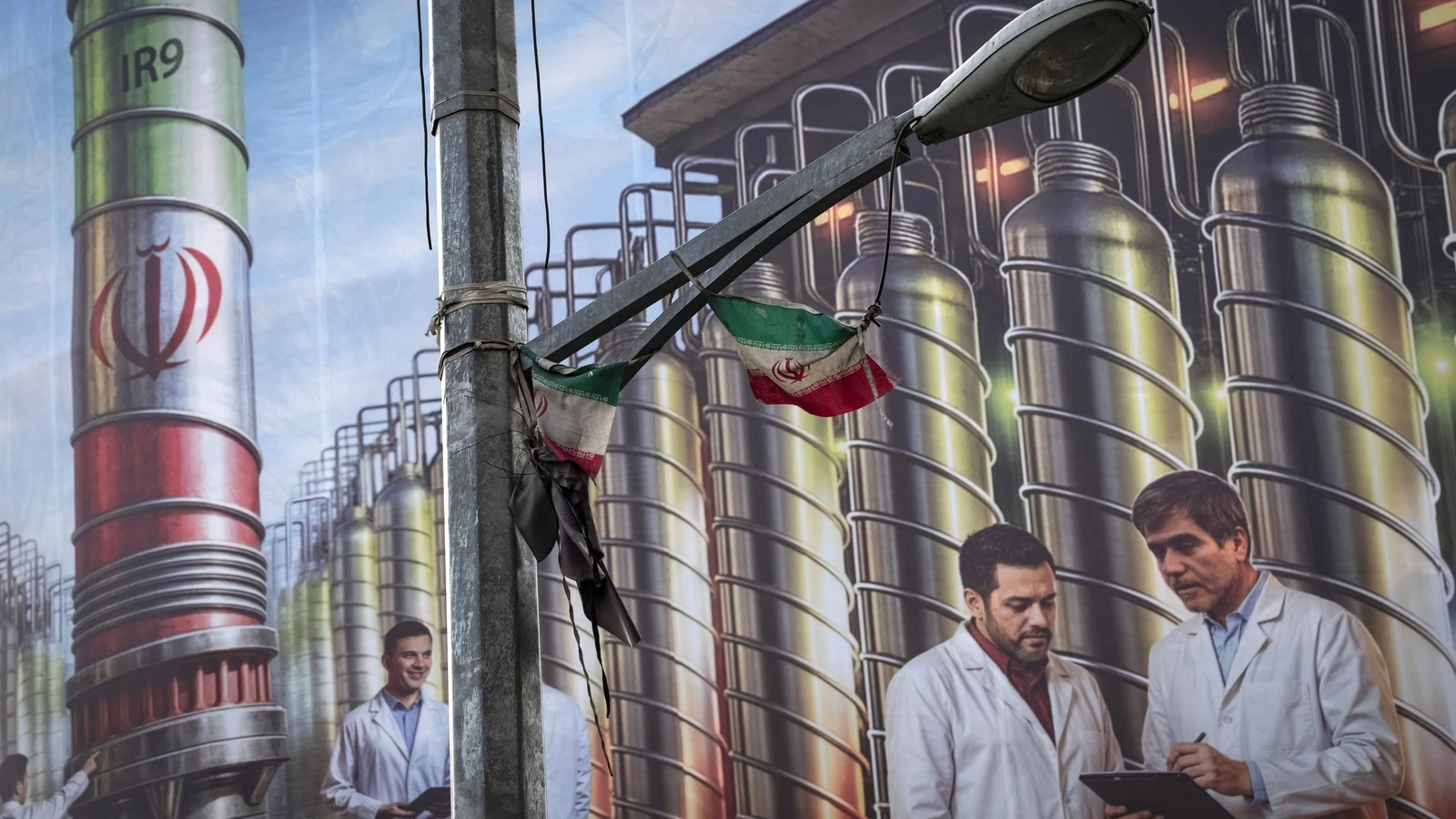
To understand why Iran clings so fiercely to enrichment, you have to listen to how Iranians tell the story. In Tehran’s bazaars, the narrative threads together the 1953 coup that toppled Mohammad Mossadegh, decades of Western influence under the Shah, a humiliating hostage crisis in 1979, and a long curtain of sanctions that followed. Nuclear technology, for many Iranians, sits at the intersection of science and dignity.
“We were told for years that we could not be trusted,” says Laleh, a university chemist who teaches in northern Tehran. “So when the chance came to build something of our own—energy, reactors, labs—it felt like taking back a piece of independence.”
That sense of entitlement was never going to meet a Western world wary of proliferation without friction. The 1980s Iran-Iraq war, revelations about enrichment facilities, and intelligence warnings hardened attitudes on both sides. Yet even the most skeptical diplomats eventually conceded what the IAEA later echoed: policing an entire country’s nuclear supply chain required compromise if the goal was containment, not regime change.
The Deal That Was—and What It Left Unsaid
The JCPOA’s technical scaffolding was ingeniously mundane. Centrifuges were counted and capped. Uranium was diluted, stored, or shipped out. Cameras and inspectors watched mines, mills, and facilities. Critics objected to sunset clauses: many controls relaxed after a decade or a decade-and-a-half, leaving uncertainty about the day after.
“You cannot build a treaty that outlaws physics,” a former U.S. negotiator told me. “You can only build checks and time windows. Treaties buy time; they don’t buy eternity.”
That reality—the temporary nature of many constraints—was central to the political attack on the deal. Opponents in Washington and Jerusalem argued that time would be Iran’s friend. Supporters countered that a slowly reintegrated Iran, tied into the global economy, would have less appetite for confrontation.
The New Bargain: Old Map, New Markers
Fast forward to today: whispers in Geneva and reports in the press suggest a draft outline that looks remarkably like the old map. A moratorium on higher-level enrichment. Enhanced inspections, including provisions for quick, snap checks. A phased unfreezing of Iranian oil revenue. In short: the JCPOA—with tweaks shaped by a decade of escalation and new leverage on both sides.
So what’s changed? Iran isn’t negotiating from the same place it was in 2015. The country now possesses greater quantities of enriched uranium and more advanced centrifuges. It has proven that it can disrupt global oil routes. And the political landscape at home has shifted; younger generations carry scars from sanctions, but also a hunger for stability.
“Leverage is not just inventory,” says Rana Alizadeh, a policy fellow who studies Gulf security. “It’s perception. Iran’s ability to threaten the Hormuz route makes every sanctions threat costlier. That changes the math in a way the diplomats in 2015 did not fully confront.”
Questions to Consider
As this new-old negotiation unfolds, we should ask: Do we want a repeat of a temporary fix, or a durable architecture that reduces the chance of war? Can intrusive inspections be made permanent without humiliating a sovereign nation? And finally, how much risk are we willing to accept on the assumption that time and integration will erode hardline impulses?
The Human Cost—And the Stakes for the World
In Mahshahr and Tehran, the debate is not abstract. Families live through sanctions and spikes in fuel prices; students weigh futures under travel bans; fishermen like Reza measure their days by the number of tankers that pass. Far from the negotiation table, life continues under the shadow of big decisions.
“We don’t want a bomb,” Laleh says. “We want electricity, pavement, a stable job. If the world wants to prevent weapons, then make a deal that also gives people hope. That’s what ends threats—not more threats.”
Perhaps the logic of diplomacy is simple: give people a stake in peace, and they will less often reach for war. Perhaps the lesson is darker: power gaps and historic wrongs keep pulling the past back into the present. Either way, the world will be watching the Gulf’s horizons—and the negotiating rooms in Vienna and Geneva—with a sharp, impatient curiosity. And as you read this, consider where you stand: do you back a pragmatic bargain, or a stricter blockade of Iran’s ambitions? There are no easy answers—only choices that will ripple across the seas and markets, across families and future generations.